

By Evans Matthews
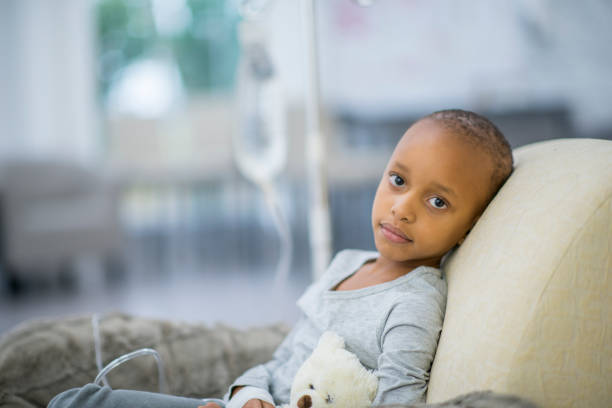
When eight year old Amara in Lagos began losing weight rapidly and waking several times each night to urinate, her parents assumed it was a passing infection. Within days, she was rushed to the hospital in diabetic ketoacidosis – a life-threatening complication of undiagnosed Type1 diabetes (T1D). Across the world, similar stories unfold daily, from bustling cities in Asia to remote villages in Latin America and rural communities in sub-Saharan Africa.
Type1 diabetes is a chronic autoimmune condition in which the body’s immune system mistakenly destroys insulin-producing beta cells in the pancreas. Unlike Type2 diabetes, it is not caused by lifestyle factors. It can appear suddenly and progresses rapidly, particularly in children. According to the International Diabetes Federation, hundreds of thousands of children worldwide live with T1D, and incidence rates continue to rise in many regions.
“Type1 diabetes does not discriminate,” says Dr. Helena Krüger, a pediatric endocrinologist in Berlin. “It affects children of all ethnicities, all socioeconomic backgrounds. The challenge is that early symptoms – excessive thirst, frequent urination, fatigue, weight loss – are often mistaken for other illnesses.”
In high-income countries, structured screening systems and widespread awareness help ensure earlier diagnosis and better outcomes. Insulin therapy, continuous glucose monitors (CGMs), and insulin pumps have revolutionized care. In Sweden, Canada, and parts of the United States, children with T1D routinely participate in sports, travel independently, and transition into adulthood with advanced self-management skills.
Yet the global picture is uneven. In many low-and-middle-income countries, limited access to insulin and monitoring devices remains a major obstacle. The cost of lifelong insulin therapy can be overwhelming for families without insurance coverage.

“Insulin is not a luxury; it is life-saving,” emphasizes Dr. Amina Yusuf, a pediatrician in Nairobi. “When supply chains are disrupted or families cannot afford glucose strips, children are placed at enormous risk. The tragedy is that this is a manageable condition with the right support.”
Beyond the physical demands of blood glucose monitoring and insulin injections lies an emotional journey. A new diagnosis often brings fear, confusion, and guilt for both parents and children. Adolescents may struggle with the visibility of their condition or the constant need to calculate carbohydrates and adjust insulin doses.
Twelve-year-old Mateo from São Paulo describes his experience candidly: “At first, I thought my life was over. I couldn’t just eat cake at birthday parties like my friends. But now I know I can still do everything – I just have to plan.”
Education is central to living well with T1D. Diabetes care teams, comprising endocrinologists, diabetes educators, dietitians, and psychologists play a crucial role in empowering families. Schools are also key partners. Teachers trained to recognize hypoglycemia or hyperglycemia can prevent emergencies and foster inclusion.
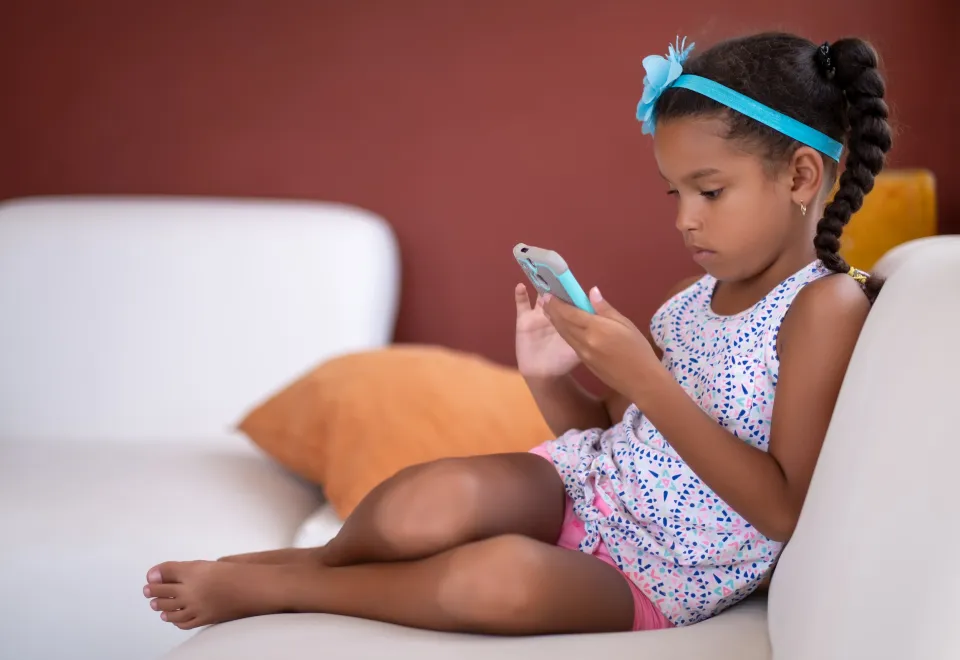
Technology is narrowing some global gaps. Smartphone-connected glucose monitors allow parents to track their child’s blood sugar remotely. Telemedicine has expanded specialist access in under-served regions. Meanwhile, research into immunotherapy and beta-cell transplantation offers hope for future breakthroughs.
“Children with Type1 diabetes should not be defined by their diagnosis,” says Dr. Krüger. “With proper care, they can live full, vibrant, and ambitious lives.”
Living beyond diagnosis means shifting the narrative – from limitation to resilience; it means advocating for equitable insulin access, improving public awareness, and supporting families emotionally as well as medically. It means recognizing that a child with T1D is first and foremost a child with dreams, talents, and boundless potential.
For Amara and millions like her, life after diagnosis is not the end of childhood. It is the beginning of a new, carefully managed chapter – one written with courage, science, and hope.


 English