

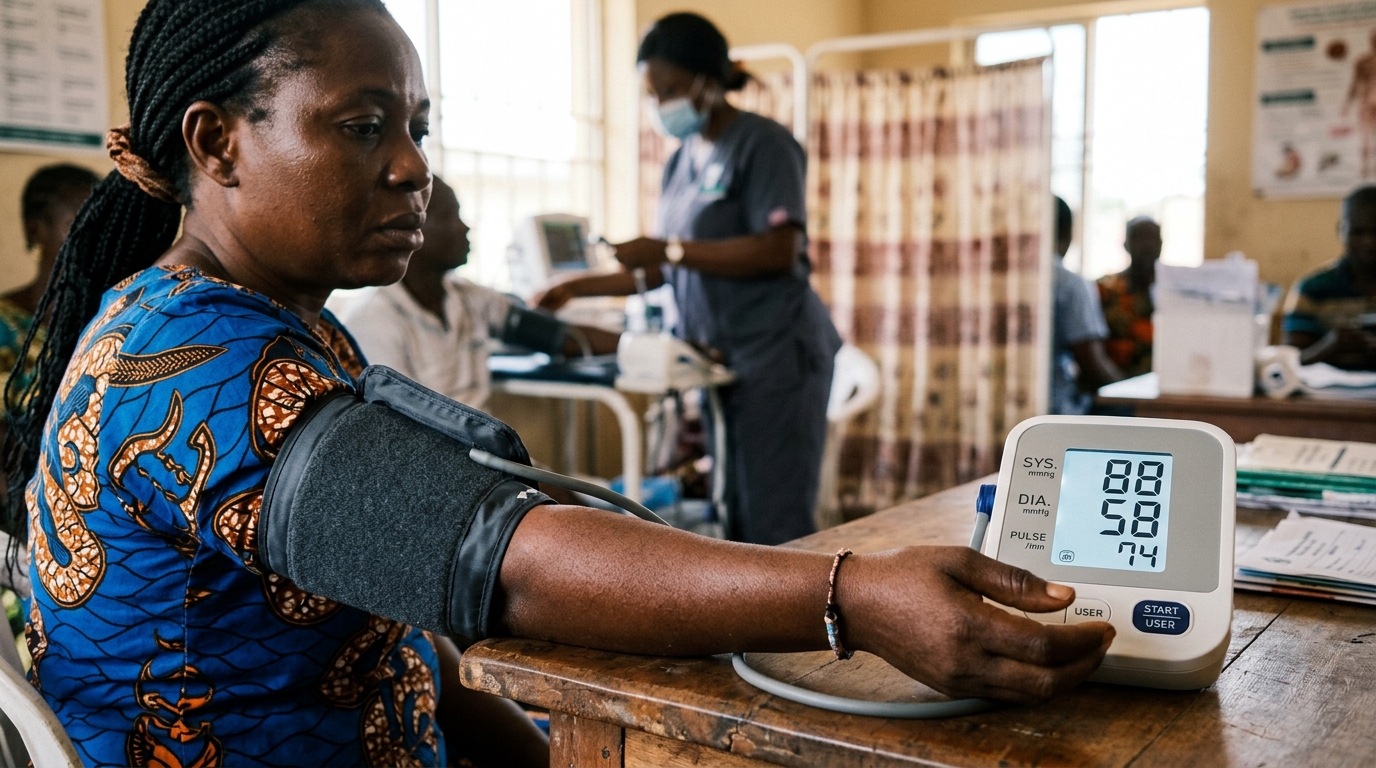
Low blood pressure, medically known as hypotension, occurs when blood pressure is lower than what is considered normal. Blood pressure below 90/60 mmHg is generally considered hypotension, although the significance of a low reading depends on the person and whether symptoms are present.
While some people naturally have low blood pressure without experiencing problems, a sudden drop can cause symptoms that should not be ignored.
What Are the Signs of Low Blood Pressure?
One of the easiest ways to suspect low blood pressure is to pay attention to how you feel, particularly when standing up or changing positions suddenly.
Common symptoms include dizziness or lightheadedness, blurred vision, unusual weakness, nausea, fatigue and difficulty concentrating. Some people may also feel faint or actually lose consciousness, especially when blood pressure drops significantly.

A person experiencing low blood pressure may also notice a rapid or unusually weak heartbeat. Cold, clammy skin can occur when the body is struggling to maintain adequate blood flow.
However, these symptoms are not enough to confirm that you have low blood pressure. Similar symptoms can occur with dehydration, low blood sugar, anaemia, certain medications and other health conditions.
How Can You Know for Sure?
The most reliable way to know whether your blood pressure is low is to measure it using a blood pressure monitor. A reading below 90/60 mmHg is commonly considered low, although what is normal can vary from person to person.
If you repeatedly get low readings and experience symptoms, speak with a healthcare professional. They can determine whether an underlying condition or medication is contributing to the problem.
Seek urgent medical attention if low blood pressure is accompanied by fainting, confusion, severe weakness, chest pain, difficulty breathing or signs of shock.
Knowing your usual blood pressure and paying attention to changes can help you recognise when something is wrong. Low blood pressure is not always dangerous, but persistent or sudden changes deserve proper medical evaluation.



 English