

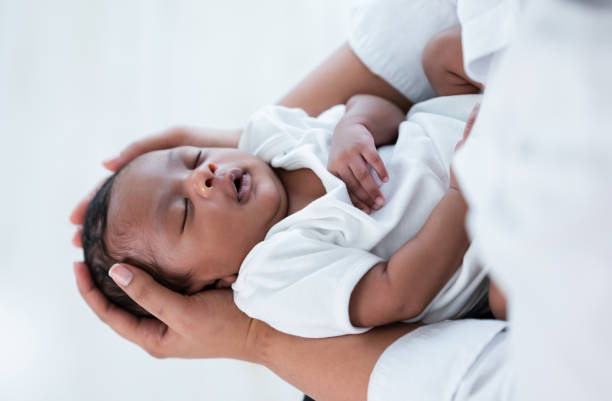
The World Health Organization (WHO) has called for urgent strengthening of newborn screening systems globally, warning that many infant deaths and lifelong disabilities can still be prevented through early detection and timely intervention after birth.
WHO said newborn screening remains one of the most effective public health tools for identifying serious but treatable conditions before symptoms appear. However, access to these services remains uneven, especially in low- and middle-income countries where diagnostic capacity and follow-up care are limited.
The organization noted that delays in screening, weak implementation structures, and gaps in healthcare systems continue to contribute to avoidable child mortality from congenital, metabolic, and genetic conditions.
Worldwide, an estimated 8 million babies are born with a birth defect each year, with birth defects accounting for nearly 8% of all deaths among children under five. WHO also noted that about 90% of children born with serious birth defects live in low- and middle-income countries, where access to screening, diagnosis, and treatment remains limited.
WHO is urging governments to integrate newborn screening into primary healthcare services, strengthen laboratory systems, and ensure early diagnostic services are prioritised as essential components of child health programmes.
“No child should miss the chance for a healthy future because a congenital condition was not detected early enough,” said Dr Tedros Adhanom Ghebreyesus, WHO Director-General.
The challenge is further compounded in settings where limited availability of safer and newer treatment options leaves vulnerable populations with reduced access to effective care even after diagnosis.
In many regions, the absence of structured screening systems means conditions are often detected too late, when treatment options are already limited or less effective.
WHO emphasized that newborn screening must be supported by strong diagnostic systems, reliable treatment pathways, and equitable access to care in order to achieve meaningful reductions in preventable deaths.
While high-income countries have expanded screening programmes covering multiple conditions, many developing health systems still struggle with limited coverage and inconsistent implementation.
As countries work toward universal health coverage goals, WHO continues to push for newborn screening to be treated as a core child health priority that directly improves survival and long-term outcomes.

 English