

By Deborah Bamisaye
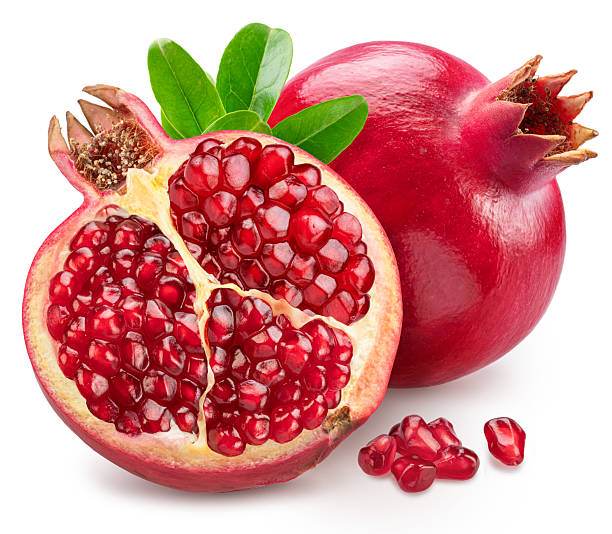
A man bought a fruit. He sliced it open. Instead of finding soft flesh like an orange or mango, he discovered hundreds of tiny red jewels staring back at him. No, this is not a fairy tale. It is a pome… ‘Pome…what? Excuse me!’
The Fruit That Hides a Treasure Chest
Some foods arrive with a trumpet, others arrive quietly. ‘Pomegranate’ belongs to the second group. It sits on the shelf looking ordinary, almost forgettable. Yet inside it carries one of nature’s most fascinating designs: a fruit packed with hundreds of edible seeds.
Now, before someone rushes to ask anything, let us settle an important question. Is pomegranate a nutritional seed? Not exactly; Pomegranate is a fruit. However, the tiny crunchy parts we eat are seeds surrounded by juicy sacs. In other words, every spoonful of pomegranate contains a small army of seeds, and that is where today’s story begins.
Think about it – Nature could have hidden one seed inside the fruit and called it a day. Instead, it packed hundreds of them together, each carrying fiber, antioxidants and nutrients. Almost as though nature was saying, “Health should not be scarce.”
Why Scientists Love Pomegranate Seeds
The fame of pomegranate is not because it is beautiful. Plenty of fruits are beautiful, it’s its reputation. Its reputation comes from what researchers keep finding inside those tiny seeds and the juice around them: powerful plant compounds that help the body fight oxidative stress.
Oxidative stress sounds complicated but imagine – leaving a bicycle outside in the rain. Over time, rust begins to appear. Something similar happens inside the body. Daily wear and tear, pollution, poor diet, stress and aging create damage. Antioxidants help slow some of that process. That is one reason pomegranate has earned attention all over the world.
What Makes These Seeds Worth Talking About?
1. They contain fiber, which supports digestion
2. They contain antioxidants, which help protect cells
3. They provide vitamins and minerals that contribute to overall wellness
Now, unlike many processed snacks, they deliver all these benefits without demanding a chemistry degree to understand the ingredients list.
Just fruit!
Just seeds!!
Just nourishment!!!

A Lesson Hidden Inside a Pomegranate:
Perhaps the most interesting thing about pomegranate is not its nutrition – it is its message.
Break it open and you discover abundance. – One fruit – Hundreds of seeds – Hundreds of possibilities.
The next time life looks empty, remember the pomegranate. Some of the greatest treasures are hidden beneath ordinary surfaces.
Seeking another pathway to lasting health? Sometimes the lesson is simple:
Never judge a fruit by its skin.
The treasure may be inside.
The World Health Organization (WHO) recommends eating at least 400g of fruits and vegetables daily
It encourages diets rich in: – natural plant foods – fiber antioxidants (from fruits and vegetables) – It links fruit-rich diets to lower risk of: – heart disease – certain cancers – obesity and metabolic conditions.
So, pomegranate fits into WHO’s guidance as a healthy fruit choice within a balanced diet.
The next time you see a pomegranate, do not just admire its beauty; break it open, enjoy its treasures, and remember that lasting health is often built from the small gift nature hides in plain sight.
Will you give nature’s treasure chest a place on your table? I am glad you said, “Yes!”
With that said, let’s meet here next edition to explore another pathway. Cheers!
Read Also: Learn how black and white sesame seeds compare in nutrition and health benefits in our previous feature



 English
One thought on “Nutritional Seeds: Another Pathway to Lasting Health – 9”