

By Evans Matthews
Hearing is one of the earliest gateways through which a child begins to understand the world. From the soft hum of a mother’s lullaby to the playful chatter of siblings; sound shapes language, learning, and emotional connection. Yet, according to the World Health Organization (WHO), millions of children globally live with some degree of hearing loss – many undiagnosed or diagnosed too late. The implications are profound, affecting speech development, academic performance, and social integration.
Hearing loss in children can be congenital (present at birth) or acquired later due to infections, trauma, exposure to loud noise, or untreated ear conditions. In low-and middle-income countries, preventable causes such as measles, mumps, rubella, meningitis, and chronic ear infections remain significant contributors. In higher-income nations, while newborn screening is more widespread, disparities in access to follow-up care still exist.
“Early detection is not just beneficial, it is transformative,” says Dr. Amina Rahman, a pediatric audiologist based in London. “When hearing loss is identified within the first few months of life, interventions can begin before speech delays take root. That window of opportunity is critical.”
Globally, universal newborn hearing screening programs have expanded over the last two decades. In countries such as the United States, the United Kingdom, and Australia, most babies undergo hearing tests before leaving the hospital. These quick, painless screenings measure how the inner ear or auditory nerve responds to sound. However, in many parts of sub-Saharan Africa and South Asia, systematic screening remains inconsistent or unavailable – leaving detection to chance or parental suspicion.
Parents are often the first to notice signs. A baby who does not startle at loud sounds, a toddler who fails to respond to their name, or a child whose speech seems delayed compared to peers may be signaling a hearing concern. Yet cultural beliefs and stigma sometimes delay action. In certain communities, hearing impairment may be misunderstood or attributed to supernatural causes, discouraging families from seeking medical advice.

“Awareness is as important as technology,” notes Professor Miguel Alvarez, an otolaryngologist in Mexico City. “We must normalize hearing checks in the same way we normalize vaccinations and growth monitoring.”
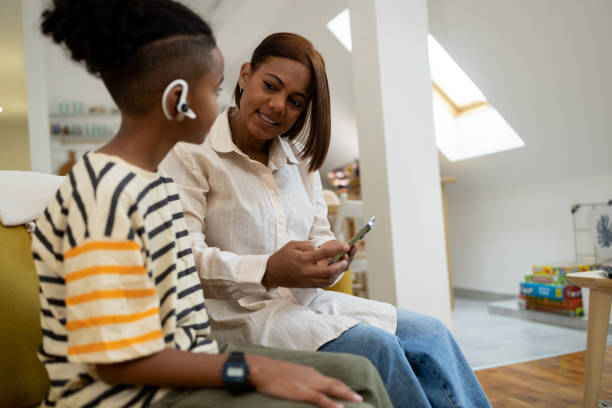
Intervention options have advanced remarkably. For children with mild to moderate hearing loss, hearing aids can amplify sound and improve speech perception. For those with severe to profound loss, cochlear implants – devices that bypass damaged parts of the ear and directly stimulate the auditory nerve, have changed countless lives. Speech therapy, sign language education, and inclusive classroom strategies further support communication and learning.
Still, technology alone is not enough. Access remains uneven. In many developing countries, the cost of hearing aids or implants is prohibitive, and trained specialists are scarce. Global health initiatives are increasingly advocating for integrated ear and hearing care within primary healthcare systems. Tele-audiology – remote hearing assessments and consultations, has also emerged as a promising solution, especially in rural or underserved areas.
The role of schools is equally vital. Teachers trained to recognize early warning signs can prompt timely referrals. Inclusive education policies ensure that children with hearing loss are not left behind. As Dr. Rahman emphasizes, “A child with hearing loss is not limited in intelligence or potential. What they need is access – access to sound, to language, and to opportunity.”
Preventive strategies also deserve attention. Vaccination against rubella and meningitis, safe childbirth practices, prompt treatment of ear infections, and reducing exposure to harmful noise levels can significantly lower the risk of hearing impairment. Public health campaigns must continue to reinforce these measures worldwide.
Ultimately, addressing childhood hearing loss is both a medical and a social imperative. Early detection and timely intervention can mean the difference between isolation and inclusion, silence and self-expression. In a world striving for equity in health and education, ensuring that every child can hear, and be heard, should remain a global priority.

 English