

By Evans Matthews
In the 21st century, humanity faces a paradox. While scientific breakthroughs have extended life expectancy and reduced deaths from infectious diseases, a quieter and more persistent threat has emerged: chronic and lifestyle diseases. These conditions – heart disease, diabetes, cancer, chronic respiratory illnesses, and obesity-related disorders – are now responsible for the majority of deaths worldwide.
According to global health authorities, non-communicable diseases (NCDs) account for over 70 percent of all deaths globally. Unlike infectious diseases, they are not spread from person to person. Instead, they are largely driven by how we live, work, eat, move, and cope with stress.
“Chronic diseases are not merely medical conditions; they are reflections of modern living,” says Dr. Lina Marquez, a public health specialist based in Spain. “Urbanization, processed foods, sedentary jobs, and chronic stress have reshaped global health patterns.”
From the bustling cities of Lagos and Mumbai to the suburbs of New York and London, the lifestyle blueprint is remarkably similar: long hours seated behind desks, fast food consumed on the go, minimal physical activity, inadequate sleep, and rising mental strain. The result is a surge in hypertension, type 2 diabetes, stroke, and cardiovascular disease – even among younger populations.
In low-and middle-income countries, the burden is particularly complex. These nations now grapple with a “double burden” of disease: infectious illnesses remain present, while lifestyle-related conditions rise sharply. “We are witnessing heart disease and diabetes appearing in communities that are still battling malaria and tuberculosis,” notes Dr. Samuel Okoye, a physician in Nigeria. “The health systems were not originally designed to handle this shift.”
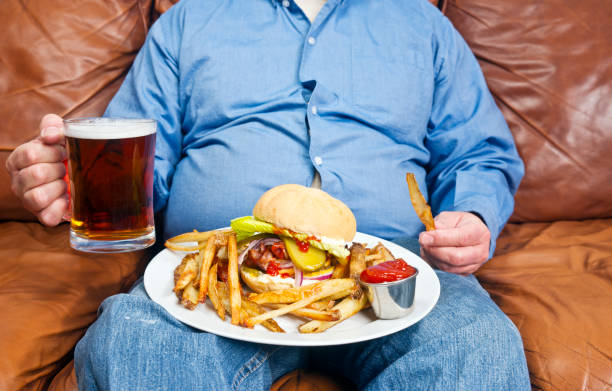
Diet plays a central role. The global spread of ultra-processed foods – high in salt, sugar, and unhealthy fats, has transformed traditional eating patterns. Sugary beverages and convenience meals often replace fiber-rich, whole-food diets. Meanwhile, aggressive marketing targets children and adolescents, shaping habits early in life.

Physical inactivity compounds the risk. The World Health Organization estimates that nearly one in four adults worldwide is insufficiently active. Mechanized transport, digital entertainment, and screen-based work have replaced manual labor and outdoor recreation.
Yet lifestyle diseases are not solely about individual choices. Socioeconomic factors deeply influence risk. In many urban areas, safe spaces for exercise are limited, healthy foods are expensive, and healthcare access is uneven. “It’s simplistic to say people should just eat better and move more,” explains Dr. Marquez. “Policy environments must support healthier choices.”
Encouragingly, solutions exist. Public health campaigns promoting tobacco control have already demonstrated success. Countries that implemented strong anti-smoking laws saw dramatic declines in smoking rates and related illnesses. Similar multi-sector efforts – taxes on sugary drinks, clearer food labeling, and urban planning that promotes walking and cycling, are gaining traction worldwide.
Preventive healthcare is also evolving. Routine screenings for blood pressure, blood sugar, and cholesterol can detect risks early, long before complications arise. “Prevention is far more cost-effective than treating advanced disease,” emphasizes Dr. Okoye. “A simple blood pressure check can save a life.”
At the individual level, modest lifestyle adjustments can produce powerful results: balanced diets rich in fruits and vegetables, regular physical activity, adequate sleep, stress management, and avoidance of tobacco and excessive alcohol. These are not quick fixes but long-term commitments.
Chronic and lifestyle diseases may define this era, but they are not inevitable. They are shaped by policies, environments, and personal habits – factors within collective and individual influence.
As Dr. Marquez succinctly puts it, “The future of global health will not be determined solely in hospitals, but in kitchens, schools, workplaces, and city streets.”
The challenge before the world is clear: to transform modern living from a risk factor into a foundation for lasting health.



 English