

By Morgan Nwanguma
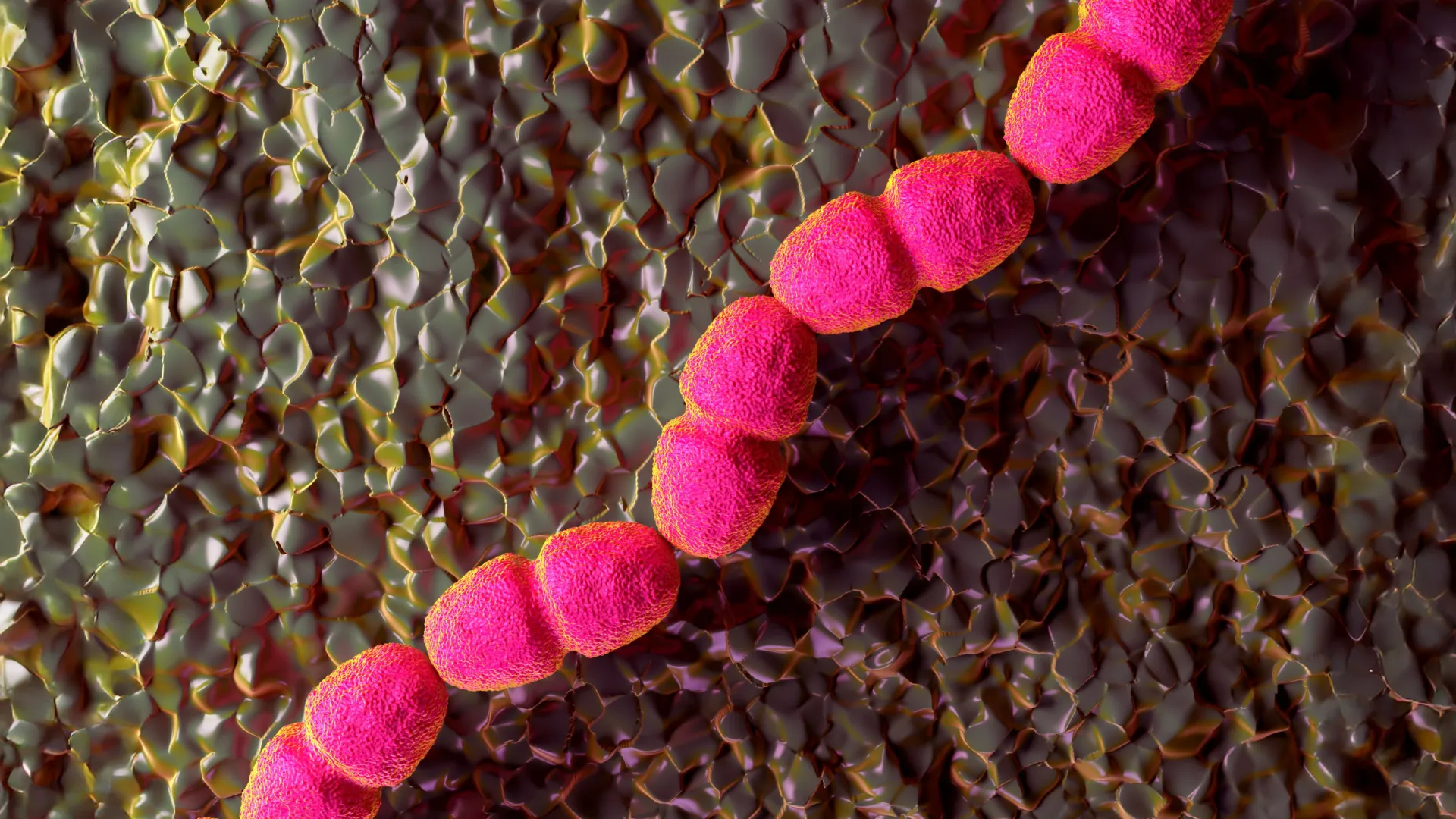
Researchers have revealed a surprising reason why a number of chronic wounds refuse to heal, even when treated with antibiotics. A common bacterium frequently found in persistent wounds does more than simply resist drugs, it actively releases harmful molecules that overwhelm skin cells and prevent them from repairing damaged tissue.
Researchers discovered that neutralizing these damaging molecules with antioxidants can help skin cells recover and restart the healing process.
An international research team led by scientists at Nanyang Technological University Singapore has identified a promising strategy that could help chronic wounds heal more quickly, including wounds infected with antibiotic-resistant bacteria.
A Growing Global Health Concern
Chronic wounds represent a significant and growing global health challenge. Each year, about 18.6 million people worldwide develop diabetic foot ulcers. Over the course of a lifetime, as many as one in three people with diabetes may experience this painful and potentially dangerous condition.
These long-lasting wounds are among the leading causes of lower-limb amputations, as persistent infections often make healing extremely difficult. Many patients become trapped in a cycle of recurring complications, repeated treatments, and prolonged recovery.
In Singapore, the number of chronic wounds including diabetic foot ulcers, pressure injuries, and venous leg ulcers has been steadily rising. More than 16,000 cases are reported annually, particularly among older adults and individuals living with diabetes.
How a Common Bacterium Disrupts Healing
The findings, published in the journal Science Advances in collaboration with researchers from the University of Geneva, reveal how a widespread bacterium, Enterococcus faecalis, can actively interfere with the body’s natural wound-healing process.
The researchers found that the bacterium releases harmful molecules that damage surrounding cells and disrupt the skin’s ability to regenerate. However, when these toxic molecules are neutralized, skin cells regain their ability to repair tissue and close the wound.

Enterococcus faecalis is an opportunistic pathogen commonly found in chronic infections, particularly in diabetic foot ulcers. These wounds are notoriously difficult to treat and often fail to heal, significantly increasing the risk of severe complications including infection spread and eventual amputation.
Antibiotic resistance adds another layer of difficulty to treating chronic wound infections. Some strains of Enterococcus faecalis no longer respond to several commonly used antibiotics, making these infections increasingly difficult to control.
Although doctors have long understood that infections can delay wound healing, the precise biological mechanisms behind this effect have remained unclear.
The study was jointly led by Associate Professor Guillaume Thibault from the School of Biological Sciences at Nanyang Technological University Singapore and Professor Kimberly Kline of the University of Geneva. Professor Kline also serves as a visiting professor at the Singapore Centre for Environmental Life Sciences and Engineering (SCELSE) at NTU.
The Role of Bacterial Metabolism and Cell Stress
The researchers discovered that Enterococcus faecalis behaves differently from many other wound-infecting bacteria. Instead of relying mainly on toxins, it produces reactive oxygen species (ROS) – highly reactive molecules generated as a byproduct of its metabolism that interfere with the normal healing functions of human skin cells.
First author Aaron Tan, a research fellow at NTU, found that the bacterium uses a metabolic mechanism known as Extracellular Electron Transport (EET). This process continuously generates hydrogen peroxide, a powerful reactive oxygen species capable of damaging living tissue.
When Enterococcus faecalis infects a wound, the hydrogen peroxide it produces triggers oxidative stress in nearby skin cells.
Laboratory experiments revealed that this oxidative stress activates a defensive reaction in keratinocytes, the skin cells responsible for repairing damaged tissue. This protective reaction, known as the Unfolded Protein Response, normally helps cells cope with damage by temporarily slowing protein production and other essential activities, allowing them time to recover.
In this situation, however, the response has an unintended consequence. Instead of aiding recovery, it effectively paralyzes the cells, preventing them from moving into the wound area to seal the damaged tissue – a crucial process known as cell migration.

To verify the importance of this pathway, the researchers tested a genetically modified strain of Enterococcus faecalis that lacked the EET mechanism. Without this pathway, the bacteria produced far less hydrogen peroxide and were no longer able to block the wound-healing process.
These findings confirmed that this metabolic pathway plays a crucial role in the way Enterococcus faecalis interferes with the skin’s natural repair process. The researchers then explored whether neutralizing the hydrogen peroxide produced by the bacteria could reverse the damage.
A Potential Treatment Beyond Antibiotics
When the team treated the stressed skin cells with Catalase – a naturally occurring antioxidant enzyme that breaks down hydrogen peroxide, the level of cellular stress dropped significantly. As a result, the skin cells regained their ability to move into the wound area and resume the healing process.
This discovery suggests a promising alternative approach for treating infections caused by antibiotic-resistant strains of Enterococcus faecalis. Rather than attempting to eliminate the bacteria with antibiotics, the strategy focuses on neutralizing the harmful molecules produced by the microbes, thereby allowing the body’s own cells to recover and repair the damaged tissue.
“Our findings show that the bacteria’s metabolism itself is the weapon, which was a surprise finding previously unknown to scientists,” said Assoc Prof Thibault, who is also the Assistant Dean (International Engagement) at the College of Science.
“Instead of focusing on killing the bacteria with antibiotics, which is becoming increasingly difficult and leads to future antibiotic resistance, we can now neutralize it by blocking the harmful products it generates and restoring wound healing. Instead of targeting the source, we neutralize the actual cause of the chronic wounds – the reactive oxygen species.”
The study establishes a direct link between bacterial metabolism and dysfunction in human skin cells, highlighting a potential new therapeutic strategy for treating chronic wounds.
The researchers suggest that future wound dressings infused with antioxidants such as Catalase could help restore the healing process.
Because antioxidants like catalase are already widely studied and well understood, the team believes this strategy could move from laboratory research to clinical application more quickly than the development of an entirely new drug.
Since the mechanism was demonstrated using human skin cells, the findings are directly relevant to human biology and may pave the way for improved treatments for patients suffering from non-healing wounds.
The next phase of the research will focus on moving toward human clinical trials. Before that, the team aims to determine the most effective method of delivering antioxidants through continued studies in animal models.
References
1. David G. Armstrong (2023). Diabetic Foot Ulcers: A Review. Retrieved from PubMed: https://pubmed.ncbi.nlm.nih.gov/37395769/
2. O. Q. Goh et al. (2023). Chronic wounds in a multiethnic Asian population: A cost of illness study. BMJ Open. Retrieved from https://pmc.ncbi.nlm.nih.gov/articles/PMC10510887/


 English