

By Evans Matthews
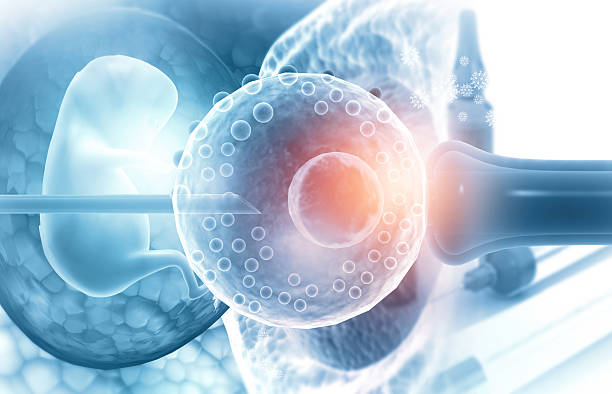
In vitro fertilization (IVF) was once considered a medical marvel bordering on science fiction. Today, Assisted Reproductive Technologies (ART) are woven into mainstream healthcare systems across the globe. From Lagos to London, Mumbai to Melbourne, millions of families owe their existence to innovations that help overcome infertility. Yet as clinical capabilities advance at breathtaking speed, ethical questions grow just as rapidly.
The World Health Organization estimates that infertility affects approximately one in six people worldwide at some point in their lives. For many, ART represents hope after years of emotional strain and social stigma. IVF, intracytoplasmic sperm injection (ICSI), egg and sperm donation, embryo freezing, and gestational surrogacy have expanded reproductive possibilities in ways unimaginable a generation ago.
“ART is no longer experimental medicine; it is established clinical practice,” says Dr. Helena Strauss, a reproductive endocrinologist based in Berlin. “But with every technological breakthrough, we must pause and ask what it means for families, societies, and future generations.”

Ethical Crossroads
Few areas of medicine generate as much ethical debate as ART. Issues range from the moral status of embryos to the commercialization of reproduction. In countries where surrogacy is legal, concerns about exploitation particularly of economically vulnerable women persist. Cross-border reproductive care, often dubbed “fertility tourism,” adds further complexity, as patients travel to jurisdictions with more permissive laws.
Religious and cultural beliefs shape public attitudes. In some societies, assisted reproduction is embraced as a compassionate medical intervention; in others, it raises concerns about interfering with natural processes. Debates surrounding donor anonymity also continue. Should children conceived through donor gametes have the right to know their genetic origins? Some countries have shifted toward open-identity donation models, prioritizing the child’s long-term psychological wellbeing.
Meanwhile, gene-editing technologies such as CRISPR have intensified global scrutiny. The prospect of altering embryos to eliminate disease or potentially enhance traits, has ignited fears of “designer babies.” International scientific bodies largely agree that heritable genome editing should not proceed without robust regulatory frameworks and societal consensus.

Equity and Access
One of the most pressing global challenges remains affordability. ART treatments are expensive, often beyond the reach of average-income families. In countries without public funding or insurance coverage, access is largely limited to the affluent. This inequity risks turning reproduction itself into a privilege of wealth.
Dr. Samuel Adeyemi, a fertility specialist in Lagos, observes, “Infertility carries profound emotional and social consequences, especially in cultures where parenthood is deeply valued. Expanding equitable access to ART is not a luxury, it’s a public health imperative.”
Several nations, including Israel, Denmark, and parts of Australia, subsidize fertility treatments, recognizing infertility as a medical condition rather than a lifestyle choice.
The Road Ahead
As ART continues to evolve, collaboration between clinicians, ethicists, lawmakers, and patient communities is essential. Transparent regulation, culturally sensitive dialogue, and global cooperation will determine how responsibly these technologies are integrated into society.
Ultimately, Assisted Reproductive Technologies sit at the intersection of science and humanity. They embody both the triumph of medical innovation and the enduring complexity of ethical responsibility. In the words of Professor Rahman, “Reproduction is not merely biological, it is profoundly social. Our policies must reflect both realities.”
The future of ART will not be defined solely in laboratories, but in conversations – about dignity, justice, and what it truly means to create life in the modern world.



 English