

By Deborah Bamisaye
My gut is what?
A CEO?
How?
I thought…
The Hidden Boss – Why the Gut Controls More Than You Think
Move closer, let’s talk! Come on, closer please! Between you and I – Do you know that ‘Your gut doesn’t speak; it doesn’t announce meetings; It doesn’t ask for attention; Yet – every system in the body waits for its approval.’
You mean, you don’t know? Now, go get popcorn and a cup of tea and let’s do this ride together. Are you ready?
‘As a matter of fact, hidden deep within you is a quiet authority – one that influences how you feel, how you think, and even how well you fight diseases. Many people believe the brain runs the show, others point to the heart, but behind the scenes another leader is at work. The gut! It is one of the leaders in your body. Yes! Bẹ́ẹ̀ni! Ee!! Eh!!!’
More than Just Digestion
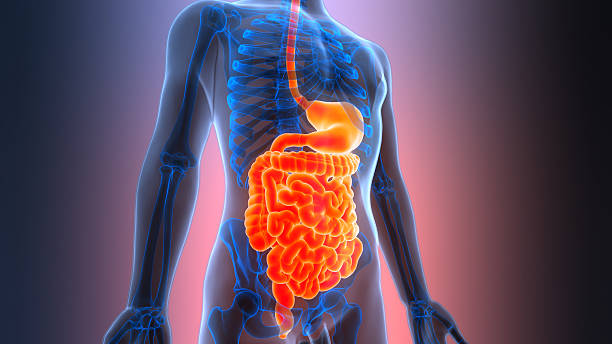
For most people, the gut is simply where food is broken down. They believe there is nothing more to it than to: Eat, digest, and just move on. But that’s only a fraction of its role. The gut is home to trillions of microorganisms, tiny living organisms forming a complex internal ecosystem.
Together, they do far more than digest food. They help regulate the body; they influence:
· How nutrients are absorbed
· How strong the immune system is
· How the body manages inflammation
· Even how the brain feels and functions
There is a constant line of communication between the gut and the brain, a connection so powerful that what happens in one often affects the other. You see that?
When the Balance Is Right
When the gut is healthy, things tend to run smoothly:
– Digestion feels normal;
– Energy levels are steady;
– The body resists illness more effectively;
– Mood feels more balanced.
Often, nothing feels unusual and that’s exactly the point. A good leader doesn’t need to draw attention to itself.

When the CEO Is Ignored
What happens when the gut is neglected, the silence begins to break fast; the body starts sending signals:
a. Discomfort after meals
b. Persistent fatigue
c. Frequent illness
d. Skin reactions
e. Changes in mood or focus
At first, these signs seem unrelated, easy to overlook or dismiss. But many times, they trace back to one place: a gut that is struggling to maintain balance.
Why This Matters
In a world that often looks for quick fixes, it’s easy to treat symptoms without asking deeper questions.
Understanding the gut changes that approach. It shifts the question from: “What is wrong with the body?” to: “What is happening inside the gut?”
It is then safe to say that: ‘The gut may be silent, but it is far from passive; because – It leads – It responds – It influences and whether we realize it or not it helps shape the condition of the entire body.’
When the CEO Is Angry: Signs the Gut Is in Trouble
Silence is not always peace.
Sometimes, silence is a warning
The gut, the body’s silent CEO – does not always stay calm. When it is disturbed, ignored, or overloaded, it doesn’t send loud alarms at first. Instead, it begins with subtle signals – signals easy to dismiss, but deeply meaningful.
And when those signals are ignored, the body slowly starts to malfunction in ways that seem unrelated. Let’s get the signs highlighted below:
1. Digestive Disturbances: The First Red Flag – One of the earliest signs of a struggling gut appears in digestion itself.
– Frequent bloating after meals
– Excess gas or discomfort
– Body operations slow down
– Constipation or irregular bowel movements
– Sudden food sensitivities

These are not random inconveniences. They often suggest that the gut environment is out of balance and struggling to process food efficiently.
2. Low Energy That Doesn’t Make Sense: You eat, you sleep, yet you still feel tired. This kind of fatigue can sometimes point back to the gut. When the gut is unhealthy, the body may struggle to absorb nutrients properly. So even if food is consumed, the body may not fully benefit from it. The result? A system that looks fed but feels drained.
3. Frequent Illness and Weak Immunity
A large part of the body’s defense system is influenced by the gut. When gut balance is disrupted, the immune system may become less effective. This can show up as:
– Catching infections more often.
– Slow recovery from illness.
– General weakness or vulnerability.
When the CEO weakens, the security system becomes less alert.
4. Skin Changes: The Body’s External Message
The skin often reflects internal imbalance. Unexplained acne, rashes, or flare-ups can sometimes be linked to gut inflammation or imbalance. It’s as if the body is trying to “show on the outside” what is happening on the inside.
5. Mood Shifts and Mental Fog
The gut and brain are closely connected through constant communication. Communication? Yes please!
It may interest you to know that when the gut is struggling, it can influence: – Mood swings – Anxiety or irritability
– Difficulty concentrating (“brain fog.”) This is not imagination; it is part of the gut-brain connection working in real time. So, when the Gut is unstable, even the mind feels it.
What These Signs Really Mean
Individually, these symptoms may seem minor but together, they form a pattern. A pattern that often points to one central issue: A gut that is under stress and out of balance.
Folasade Akinwumi, a food scientist and gut health advocate featured in The Guardian Nigeria, stresses that traditional Nigerian foods like bitter leaf, ginger, and fermented ingredients help restore gut balance, reduce inflammation, and improve digestion.
Egemba Chinonso Fidelis (A medical doctor and health educator who began his career at Imo State University Teaching Hospital) emphasizes that many health issues, such as fatigue, poor digestion, and even skin problems – can often be traced back to imbalances in gut health caused by poor lifestyle habits.
A Quiet Warning
The gut does not shout, it whispers and the danger is not in the whisper itself, but in what happens when it is ignored. The truth is – small imbalances can grow into larger health challenges. Did you read my lips? I’m sure you just did!
So, the next time your body feels “off” and you can’t quite explain why… pause for a moment and listen closely. That could be your gut, it probably has been speaking all along:
Not in noise.
Not in chaos.
But in quiet, consistent signals.
You want to know more on this? Then join me in the next edition.
See you soon!


 English