
By Deborah Bamisaye
Your Chair Is Not Trying to Kill You… But It Isn’t Saving You Either.
Last time, we put it on trial. The evidence was convincing. Not because chairs are dangerous, but because our bodies were never designed to remain parked for hours without movement.
As promised, today we are visiting a different crime scene – ‘The modern office.’ Before anyone panics, this is not an attack on employers. It is not an attack on hardworking professionals either.
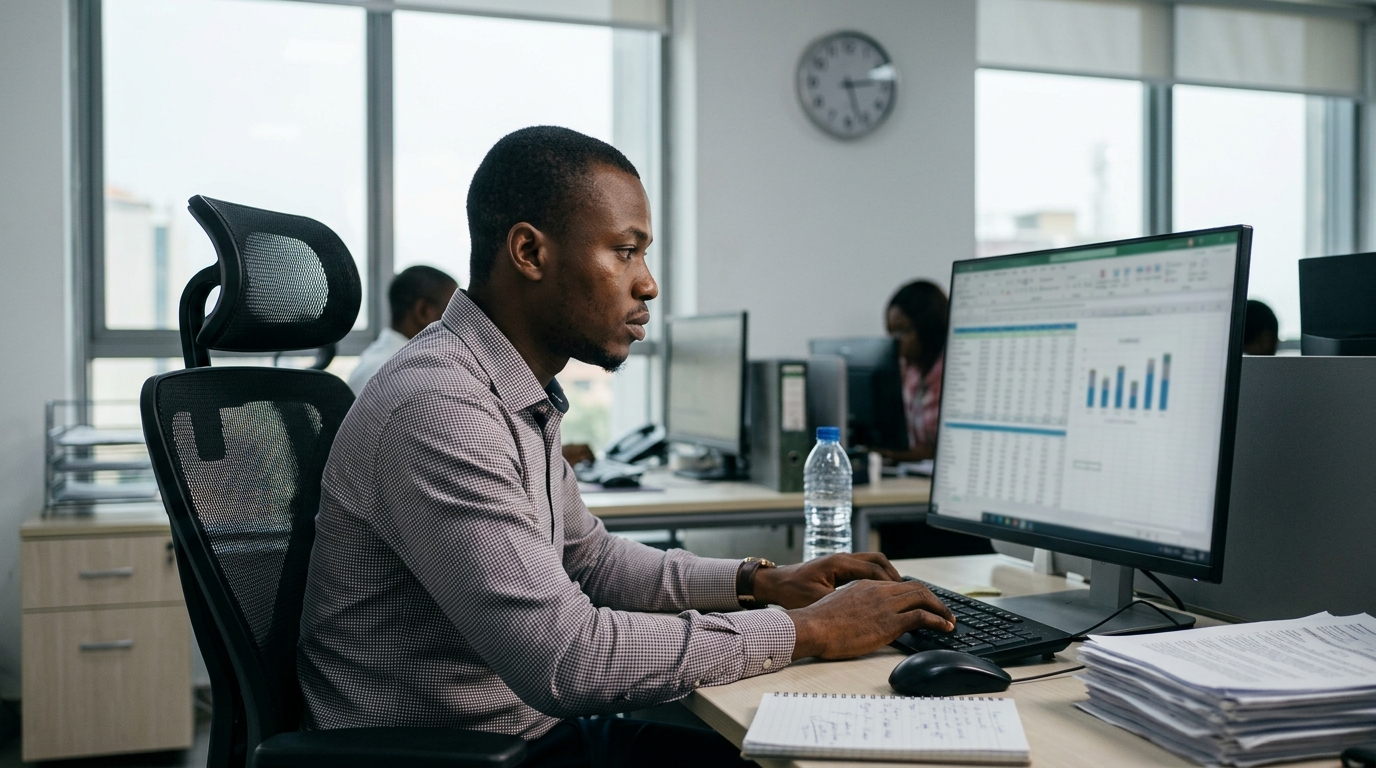
In fact, many office workers are victims of something they never realized was happening. Picture the average workday:
§ You arrive at your desk.
§ You switch on your computer.
§ “Let me just reply a few emails.”
§ A few become twenty.
§ One meeting becomes three.
§ One report becomes four.
§ Before you know it, lunchtime arrives.
§ Then evening.
§ You have worked hard.
§ Very hard.
But there is one employee in the office that has worked even harder – ‘Your chair.’

While your fingers typed thousands of words… your legs barely moved.
While your brain solved difficult problems… your muscles quietly switched off.
While your inbox became emptier… your body’s battery slowly became flatter. That is one of the greatest ironies of modern work. We are mentally exhausted while remaining physically inactive.
The human body does not measure how busy your calendar was. It measures how much you moved. This is why many office workers leave work feeling surprisingly tired despite spending most of the day sitting.
It sounds impossible, right? “How can doing so little physical work leave me so exhausted?”
The answer lies inside the body.
§ Hours of sitting encourage poor posture.
§ The shoulders creep forward.
§ The neck bends toward the screen.
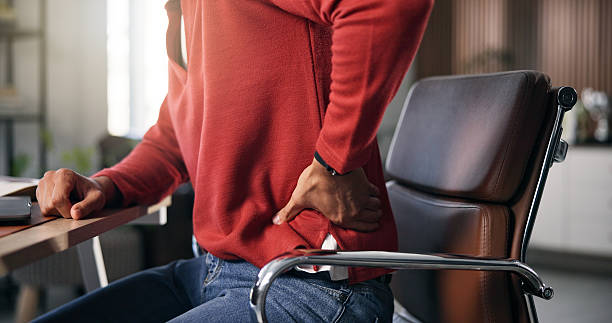
§ The lower back carries more strain than it was designed to bear.
Gradually, the discomfort begins.
a) A stiff neck.
b) An aching waist.
c) Tight hips.
d) Heavy shoulders.
Perhaps you blame your mattress… or your pillow. However, sometimes, your office chair has been quietly writing the real story all along.
Then – ‘The Eyes’
Computers have transformed productivity. They have also transformed how long we stare without blinking. Many workers spend hour after hour looking at digital screens. The result may include tired eyes, blurred vision, headaches and difficulty focusing by the end of the day. Health experts often recommend the simple 20-20-20 rule: Every 20 minutes, look at something about 20 feet away for at least 20 seconds. It gives the eye muscles a brief opportunity to relax, leading to:
§ Small habit.
§ Big difference.
Now let us talk about something many people ignore. Deadlines!
Deadlines make us postpone movement.
§ ‘I’ll stand up after this report.”
§ “I’ll stretch after this meeting.”
§ “I’ll drink water later.”
Unfortunately, “later” sometimes arrives three hours afterwards.
‘Ironically, the habits we postpone for productivity are often the very habits that help us stay productive.’ Did you get that? If not, read it again.

1. Movement improves circulation.
2. Standing changes posture.
3. Walking refreshes the mind.
4. Stretching wakes up sleepy muscles.
Even a two-minute walk around the office can interrupt the harmful effects of prolonged sitting. No, you do not need to abandon your work every fifteen minutes. You simply need to remind your body that it is still alive.
The healthiest office is not necessarily the one with the most expensive chairs. It is the one where people remember that they are human beings before they are employees.
So, tomorrow morning, when you arrive at your desk, work with excellence.
Meet your deadlines.
Answer your emails.
Attend your meetings.
But every now and then…
§ Stand.
§ Stretch.
§ Walk.
§ Refill your water.
§ Visit a colleague instead of sending another message.
§ Take the stairs instead of lift, where you can.
Give your body permission to participate in your workday.
Because one day, retirement will come; your deadlines will disappear; your emails will stop.
But the body you cared for or neglected will still be with you.
Do the needful! Give your body a reason to smile and if your chair starts wondering where you’ve gone. Congratulations! That’s exactly the kind of relationship every healthy chair should have with its owner.
Now, don’t worry – your chair won’t file a missing person’s report. It will still be right there, faithfully waiting for you.
Just make sure you don’t keep it waiting too long… because your health has been waiting even longer.
Until next time, keep moving. Your body was designed for it.

 English