

By Deborah Bamisaye
Ever heard expressions like “A polite insult,” “A beautiful mistake,” “A well-intentioned disaster,” or “A costly favour”? They all point to the same uncomfortable truth: not everything done with good intentions produces good results.
Most people genuinely mean well. Yet, sometimes, their kindest actions quietly become the very things that cause them harm.
How do I know?
I once listened to the confession of a bottle of medicine.
A Medicine Bottle’s Confession: “You Were Slowly Destroying Me… But I Know You Didn’t Mean To.”
‘I remember the day you brought me home.
You paid good money for me.
You held me carefully; read my label.
You trusted me to help someone you loved feel better and I was ready.
That was my purpose – to heal!
But somewhere along the journey something changed, not because I reached my expiry date; not because I refused to work, but because of where you kept me.
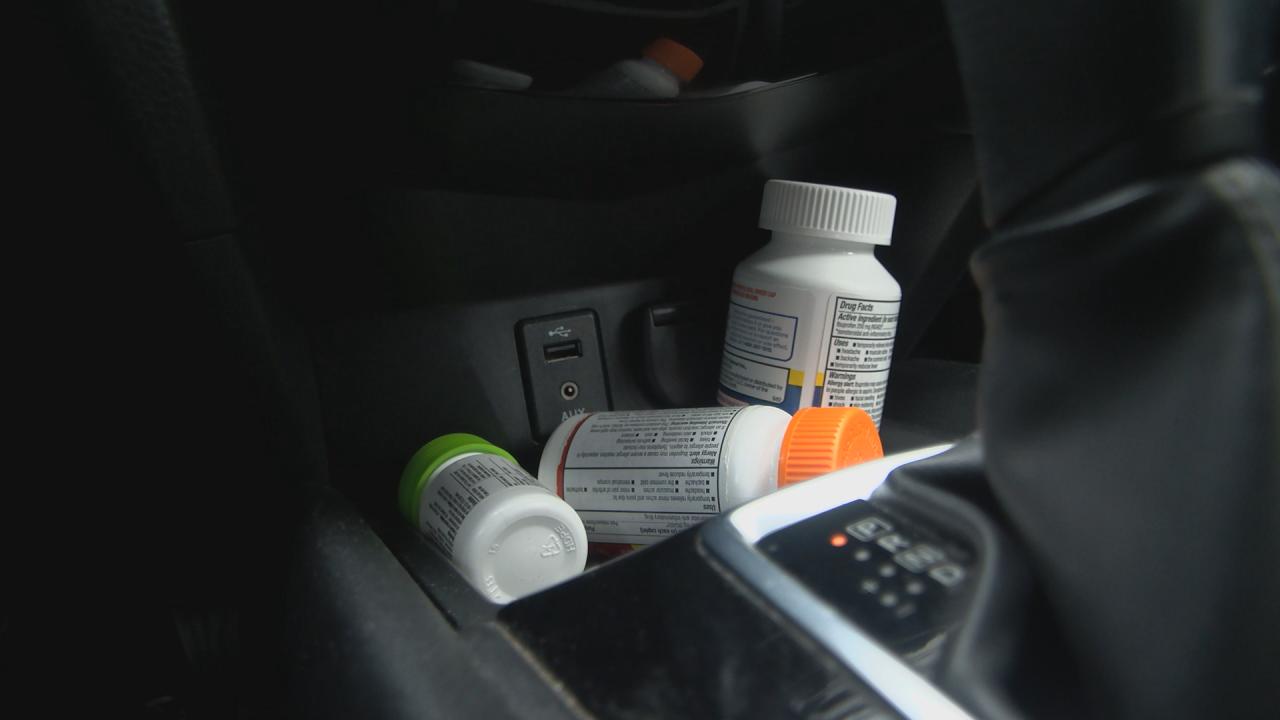
You left me on the kitchen shelf, where heat paid me a daily visit. Sometimes, I slept inside your car.
At other times, I lived in your bathroom, where steam embraced me after every hot shower.
I never complained. Medicines don’t speak, so you assumed I was fine.
You looked at my bottle, you checked my colour.
You tightened my cap, you smiled with confidence.
Yet deep inside, something was quietly changing.
Not my appearance, my ability.
The saddest part is…you never intended to harm me.
You were trying to keep me close – trying to make me easy to find, trying to be prepared for the next emergency.
But every wrong place became another silent attack on the promise I made the day you brought me home.’
(Confession ends)

Fiction?
Yes! But the science behind that confession is very real.
· Medicines cannot tell us when heat is slowly weakening them.
· They cannot complain when moisture begins to affect their quality.
· They cannot warn us that direct sunlight is changing their stability.
· They simply continue to look… like medicine.
And that is why improper storage can be so deceptive.
Every medicine is developed under carefully controlled conditions. Before it reaches your hands, scientists determine the environment in which it can best maintain its quality, safety and effectiveness. That is why manufacturers include storage instructions on every package:
· “Store below the recommended temperature.”
· “Protect from moisture.”
· “Keep away from direct sunlight.”
These are NOT mere suggestions; they are part of the medicine. Ignoring them is like ignoring the dosage instructions. Both can reduce the medicine’s ability to do what it was designed to do.

This is why pharmacists advise against storing medicines in places such as bathrooms, where humidity rises after showers; kitchens, where heat and steam are common; parked vehicles, where temperatures can become extremely high; or windowsills exposed to direct sunlight.
The World Health Organization (WHO), medicine manufacturers and Nigeria’s National Agency for Food and Drug Administration and Control (NAFDAC) all stress the importance of storing medicines according to their labelled instructions. Proper storage helps preserve their quality, safety and effectiveness throughout their intended shelf life.
The lesson is simple: ‘A medicine should not only be bought correctly. It should also be kept correctly.’ This is because healing does not depend only on what is inside the bottle. Sometimes, it depends on where the bottle has been.
Perhaps the medicine bottle’s greatest confession is this: “I never asked for an expensive home. Only the right one.”
And I believe that is today’s lesson for all of us. Before your next dose of medicine, inspect its home – ‘A cool, dry and appropriate place may be protecting more than a bottle, it may be protecting the healing inside it.’
A medicine bottle may never cry for help, but its effectiveness silently does. Store every medicine with the same care you used to buy it. Sometimes, the difference between healing and disappointment begins not with the medicine itself, but with where it lives.
I’ll see you on the next one! It’s bye for now!



 English