
By Evans Matthews
In bedrooms across the world, millions of men are fighting a silent battle every night – one that doesn’t always wake them but steadily strains their hearts. Sleep apnea, long dismissed as “just loud snoring,” has emerged as a serious global health concern, particularly for men. Beyond daytime fatigue and irritability lies a far more dangerous reality: untreated sleep apnea significantly increases the risk of cardiovascular disease.
The World Health Organization estimates that sleep disorders affect hundreds of millions of people globally, and obstructive sleep apnea (OSA) is among the most common. Studies suggest men are two to three times more likely than women to develop the condition. Yet awareness remains low, and diagnosis rates lag behind prevalence, especially in low-and-middle-income countries.
Sleep apnea occurs when breathing repeatedly stops and starts during sleep. In obstructive sleep apnea, the most common form – throat muscles relax intermittently, blocking the airway. These pauses in breathing can happen dozens, even hundreds, of times per night.
“It’s not just about snoring,” says Dr. Miguel Alvarez, a cardiologist based in Madrid. “Every time breathing stops, oxygen levels drop. The heart has to work harder. Over time, that repeated stress damages the cardiovascular system.”
The connection between sleep apnea and heart disease is now well established. Research links untreated OSA to hypertension, coronary artery disease, heart failure, stroke, and irregular heart rhythms such as atrial fibrillation. In fact, many patients diagnosed with resistant hypertension i.e. high blood pressure that does not respond well to medication – are later found to have underlying sleep apnea.
Globally, cardiovascular disease remains the leading cause of death, accounting for nearly 20 million deaths annually. Sleep apnea is increasingly recognized as a modifiable risk factor within this broader crisis.

Why are men particularly vulnerable?
Hormonal differences, fat distribution patterns, and airway anatomy all play roles. Men are more likely to accumulate fat around the neck and upper body, increasing airway obstruction risk. Lifestyle factors including higher rates of alcohol consumption, smoking, and untreated obesity in certain populations, further compound the problem.
“Many men normalize exhaustion,” explains Dr. Adebayo Okeke, a sleep medicine specialist in Lagos. “They attribute it to work stress or aging. By the time they seek help, the cardiovascular damage may already be significant.”
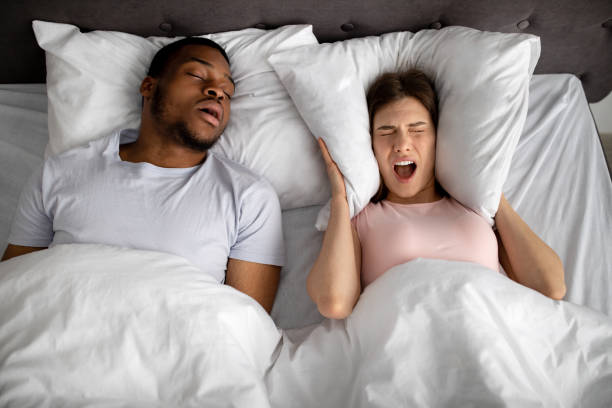
Symptoms often extend beyond snoring. Morning headaches, dry mouth, memory problems, mood changes, reduced libido, and difficulty concentrating can all signal disrupted sleep. Bed partners are often the first to notice gasping or choking sounds at night.
The economic implications are also substantial. Untreated sleep apnea contributes to workplace accidents, reduced productivity, and increased healthcare costs. In countries with limited access to sleep labs or diagnostic equipment, many cases remain undiagnosed. Portable home sleep tests are expanding access, but affordability and awareness remain barriers in many regions.
The good news is that sleep apnea is treatable. Continuous Positive Airway Pressure (CPAP) therapy remains the gold standard. The device delivers steady air pressure through a mask, keeping airways open during sleep. Weight management, exercise, reduced alcohol intake, positional therapy, and in some cases surgical interventions can also help.
“Treatment doesn’t just improve sleep,” Dr. Alvarez notes. “It lowers blood pressure, improves heart function, and reduces long-term cardiovascular risk.”
Public health experts now advocate integrating sleep screening into routine cardiovascular risk assessments for men over 40, especially those with obesity, diabetes, or high blood pressure.
Sleep, once considered passive rest, is now understood as active repair. When breathing is repeatedly interrupted, that repair is compromised, and the heart pays the price.
For men worldwide, addressing sleep apnea is not merely about quieting the night. It is about protecting the heart, preserving vitality, and recognizing that what happens in sleep can determine how long and how well one lives.



 English