
By Evans Matthews
In today’s rapidly evolving world, children face threats that often go unnoticed, subtle dangers hidden in everyday environments. Household chemicals, secondhand smoke, contaminated water, unsafe medications, and even beauty products can expose children to harmful substances, sometimes with lifelong consequences. As families grow more urbanized and industries expand globally, substance exposure has become an urgent child-safety concern spanning continents.
The World Health Organization (WHO) estimates that over 1 million children worldwide suffer unintentional poisoning every year, most resulting from exposure to household substances. In addition, millions more are affected by passive tobacco inhalation, toxic fumes, lead-contaminated soil, and improperly stored medications. These dangers cut across countries – from developed nations like Canada and Japan to developing regions in Africa, South America, and South Asia.
Understanding the Hidden Dangers
Children, especially infants and toddlers, are naturally curious. They crawl, explore, and put objects in their mouths, making them highly vulnerable. Their bodies also absorb chemicals faster than adults, and their developing organs make them more sensitive to toxic effects.
Dr. Miranda Lopez, a pediatric toxicologist in Brazil, notes, “A substance harmless to an adult can be fatal to a child. Their liver and kidneys are still developing, so toxins linger longer in their systems.” She highlights that even simple items like cleaning fluids, cosmetics, pain relievers, and pesticides can become dangerous if left within reach.
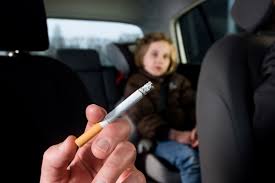
Secondhand smoke remains another global concern. According to UNICEF, nearly 40% of children worldwide are exposed to tobacco smoke at home. In Nigeria, India, and Indonesia, household smoking is a leading cause of childhood respiratory complications. “Children do not choose to breathe smoke,” emphasizes Dr. Daniel Mensah, a Ghanaian public health expert. “Adults make that choice for them, and the impact is devastating, from asthma to reduced lung function.”

International Examples of Exposure Risks
Around the world, cases of childhood substance exposure surface regularly:
· In the United States, accidental ingestion of medications accounts for thousands of emergency room visits yearly.
· In China, industrial pollution and contaminated water sources expose children to heavy metals such as lead and mercury.
· In Kenya, pesticides used in farming communities have been linked to neurological issues in exposed children.
· In Eastern Europe, outdated infrastructure leads to frequent carbon monoxide poisoning in homes during winter.
These incidents highlight the need for global awareness and action.
Prevention: The Most Powerful Tool
Experts agree that preventing exposure is far more effective than treating its effects. Simple changes in households and communities can protect millions of children.
1. Safe storage of chemicals and medications
Dr. Lopez advises, “Everything toxic must be stored in locked cabinets, out of sight and out of reach. A child-proof home is a safe home.”
2. Smoke-free environments
Parents and caregivers should avoid smoking indoors or near children. Several countries including Australia and Sweden, have implemented strict smoke-free public policies that significantly reduce exposure.
3. Environmental regulation and community education
Governments must enforce safety standards for industries and promote awareness campaigns. In South Africa, for example, national programs aim to eliminate lead-based paints from homes and schools.
4. Regular health screenings
Periodic testing, especially in high-risk regions, helps detect exposure early and prevent long-term damage.
A Collective Responsibility
Child safety is not the responsibility of parents alone. Communities, policymakers, schools, and international organizations must work together to create safer environments. As Dr. Mensah puts it, “Protecting children from toxic exposure is a global duty. When we safeguard them, we safeguard the future.”
Substance exposure may be silent, but its effects can echo throughout a child’s life. With vigilance, education, and strong global policies, every child can grow up in a world where safety is assured, not by chance but by commitment.

 English