
By Evans Matthews
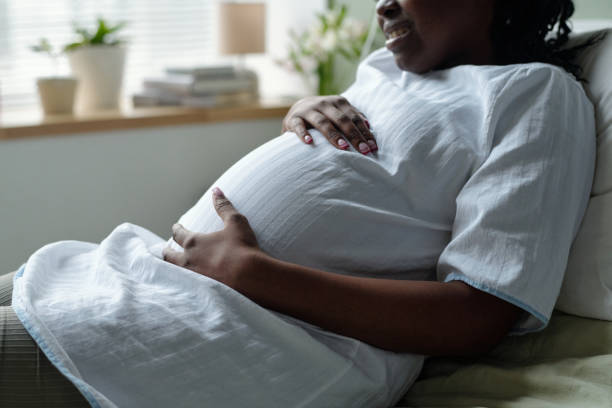
Pregnancy is often described as a beautiful journey, yet for millions of women worldwide, it can also present life-threatening complications. Among these, pre-eclampsia and pregnancy-induced hypertension remain leading causes of maternal and neonatal morbidity and mortality. The World Health Organization (WHO) estimates that hypertensive disorders account for roughly 14% of maternal deaths globally, a figure that underscores the urgent need for awareness and early detection.
Pre-eclampsia is a complex condition characterized by high blood pressure and signs of damage to other organs, most often the kidneys, occurring after the 20th week of gestation. It can develop silently, with minimal symptoms initially, making routine prenatal care critical. Dr. Sarah Thompson, an obstetrician at London’s St. Mary’s Hospital, emphasizes, “The silent nature of pre-eclampsia means many women only realize they have it when severe complications arise, such as seizures, kidney failure, or premature birth. Early detection is the single most effective intervention.”
Globally, risk factors include first-time pregnancies, a history of hypertension, obesity, diabetes, multiple pregnancies, and maternal age above 35. However, experts caution that it can also affect women with no known risk factors. In Nigeria, Dr. Ifeoma Okoye, a maternal health specialist, notes, “We still see preventable deaths from pre-eclampsia because many women present late to healthcare facilities. Routine blood pressure monitoring and urine tests during antenatal visits can make the difference between life and death.”

Hypertension in pregnancy, often intertwined with pre-eclampsia, can lead to placental insufficiency, limiting oxygen and nutrient supply to the fetus. This increases the risk of preterm birth, low birth weight, and, in severe cases, fetal loss. On a global scale, these conditions contribute to significant neonatal morbidity. According to the American College of Obstetricians and Gynecologists (ACOG), early recognition of high-risk pregnancies and timely intervention can reduce complications by up to 50%.
Screening for pre-eclampsia is straightforward and cost-effective. Regular blood pressure measurement, urine protein tests, and monitoring for symptoms such as persistent headaches, visual disturbances, and swelling of the hands and face are vital.

“Education is key,” says Dr. Maria Alvarez, a maternal-fetal medicine specialist in Mexico City. “Women need to understand that sudden swelling or severe headaches are not just minor discomforts, they could signal pre-eclampsia.”
Management strategies vary depending on severity. Mild cases may require close monitoring and lifestyle modifications, while severe pre-eclampsia often necessitates hospitalization and delivery of the baby, regardless of gestational age, to safeguard the health of both mother and child. Antihypertensive medications and magnesium sulfate for seizure prevention have proven life-saving in numerous clinical settings.
While advances in medical care have improved outcomes, disparities remain stark. Low-and-middle-income countries bear the highest burden, with limited access to prenatal care and health education exacerbating risks. International organizations, including WHO and UNICEF, continue to advocate for universal antenatal care coverage and community health education campaigns.
Ultimately, early detection saves lives. Pregnant women are encouraged to attend all scheduled prenatal appointments, monitor their blood pressure, and report any unusual symptoms immediately. As Dr. Thompson concludes, “Awareness, vigilance, and timely medical care can transform pre-eclampsia from a silent killer into a manageable condition, ensuring mothers and babies survive and thrive.”

 English