

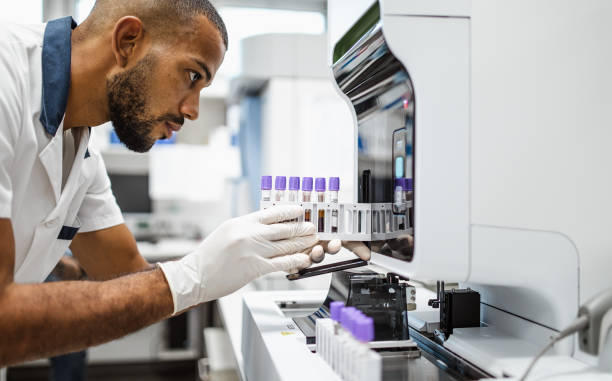
Nigeria is targeting the collection of 10,000 cancer biospecimens under a new research initiative designed to strengthen cancer research and improve understanding of the disease among Nigerians.
The initiative is being implemented through the National Cancer Biobank Network, a collaboration between the National Institute for Cancer Research and Treatment (NICRAT) and BioVana.
The network brings together eight federal hospitals across Nigeria’s six geopolitical zones, creating a coordinated system for collecting, storing and managing biological samples and related clinical data for cancer research. The first phase is expected to recruit and catalogue 10,000 cancer biospecimens, while the longer-term goal is to expand the collection to 100,000 samples by 2028.
Cancer biobanks preserve biological materials such as tumour tissue and blood alongside relevant clinical information. These resources can help researchers better understand how cancers develop and behave in different populations.
Building Local Evidence for Cancer Research
For Nigeria, the initiative could help address an important research gap by making more biological samples from Nigerian cancer patients available for locally relevant studies.
According to NICRAT Director-General, Professor Usman Malami Aliyu, the project is part of efforts to establish a central national cancer biobank supported by participating institutions across the country.
NICRAT will coordinate participating hospitals, while BioVana will provide technical support, including digital infrastructure and standards for sample collection, data management and quality control.
Initial assessments have been conducted at participating centres, while stakeholders have also met to discuss the implementation of the project. The initiative could support research into the biological and genetic characteristics of cancers affecting Nigerians, as well as studies involving biomarkers, diagnostics and precision oncology.
The next stage will include training personnel at participating hospitals, harmonizing biobanking procedures and beginning recruitment towards the initial 10,000-sample target.
If successfully implemented, the network could provide researchers with a stronger evidence base for studying cancer within Nigeria rather than relying heavily on data generated from populations outside the country.

 English