

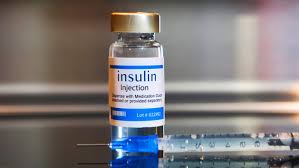
Nigeria is poised to revolutionize diabetes management in Africa with the construction of the continent’s first local insulin production facility, a collaborative effort with China.
This landmark project is expected to end Nigeria’s reliance on imported insulin, positioning the country as a hub for medical biotechnology in West Africa.
The deal, announced by Chinese Ambassador to Nigeria Yu Dunhai, at a reception to celebrate the 76th anniversary of the founding of the People’s Republic of China recently in Abuja, marks a significant milestone in China-Nigeria cooperation.
“Chinese companies are in talks with Nigeria to build Africa’s first local insulin production facility, potentially ending Nigeria’s reliance on imported insulin and positioning Nigeria as a hub for African medical biotechnology,” Yu said.
There are expectations that when completed and commissioned, the plant will not only meet Nigeria’s insulin needs but also cater for other African countries. This is commendable because it will enhance access to affordable life-saving diabetes medication.
According to the International Diabetes Federation, Africa is projected to have 60 million people living with diabetes by 2050, making this initiative a timely solution.

Indeed, Nigeria is making significant strides in strengthening its pharmaceutical sector, with a focus on local manufacturing of essential medicines. NAFDAC has been instrumental in driving this initiative, introducing policies aimed at boosting local production capacity and reducing reliance on imports
NAFDAC’s efforts have not gone unnoticed, with the agency securing full membership of the International Council for Harmonization of Technical Requirements for Pharmaceuticals for Human Use (ICH) after a rigorous two-year evaluation process. This milestone places Nigeria among a select group of 25 national regulatory authorities worldwide that implement globally harmonized, science-based pharmaceutical standards.
NAFDAC’s regulatory reforms and global recognition are expected to attract foreign investment, promoting technology transfer and collaboration and this local insulin production is testament to that well thought-out policy.
The partnership between Nigeria and China is built on mutual benefits and shared growth according to Nigeria’s Minister of Innovation, Science and Technology, Uche Nnaji, during the signing of a memorandum of understanding on sustainable insulin production between National Biotechnology Research and Development Agency (NBRDA) and Shanghai Haiqi Industrial Company Limited of China.
The local insulin production facility is expected to create jobs, develop technical expertise, and stimulate economic growth. Authorities in government in Nigeria estimate that the project will contribute significantly to the country’s GDP and improve healthcare outcomes. By reducing dependence on imported insulin, Nigeria will save foreign exchange and enhance access to affordable medication.
Nigeria’s insulin production facility will serve as a model for other African countries, demonstrating the potential for local pharmaceutical production. Egypt and South Africa are already producing insulin, and this project will solidify Nigeria’s position as a leader in African healthcare.
While the project presents opportunities, it also poses challenges. Nigeria must invest in infrastructure and human capital development to support the facility’s operations.
To ensure the success of the project, Nigeria’s regulatory bodies must strengthen their oversight capabilities. NAFDAC will play a crucial role in regulating the facility and ensuring compliance with international standards.

The Nigerian government must invest in infrastructure development, including power, water, and transportation, to support the facility’s operations. This will not only benefit the insulin production facility but also other industries in the country.
The project will create opportunities for Nigerians to develop technical expertise in pharmaceutical production. The government must invest in education and training programs to develop a skilled workforce, enhancing the country’s human capital.
Nigeria’s insulin production facility is a game-changer for diabetes care in Africa. With China’s support, Nigeria is taking a significant step towards self-sufficiency in pharmaceutical production, enhancing healthcare outcomes and driving economic growth.
Despite progress, Nigeria’s pharmaceutical sector still faces challenges, including: Inconsistent enforcement of regulations and counterfeit products which remain as concerns; inadequate infrastructure, logistics, and skilled workforce that hinder sector growth; Inflation, currency depreciation, and high energy costs posing as challenges.
Indeed, Nigeria’s pharmaceutical sector is poised for growth, driven by government initiatives and NAFDAC’s global recognition. Addressing infrastructure challenges and review of regulatory enforcement laws will be crucial to realizing the sector’s full potential. With the right policies and investments, Nigeria can become a hub for pharmaceutical production in Africa, enhancing healthcare outcomes and driving economic growth.


 English