

By Deborah Bamisaye
Many people believe the biggest threat in the kitchen is expired food, spoiled meat, or dirty water. Nibo? For where?
Surprisingly, science points an accusing finger elsewhere. You won’t believe the one thing that has been accused – ‘The humble kitchen sponge!’
The Most Dangerous Thing in Your Kitchen Is Not What You Think
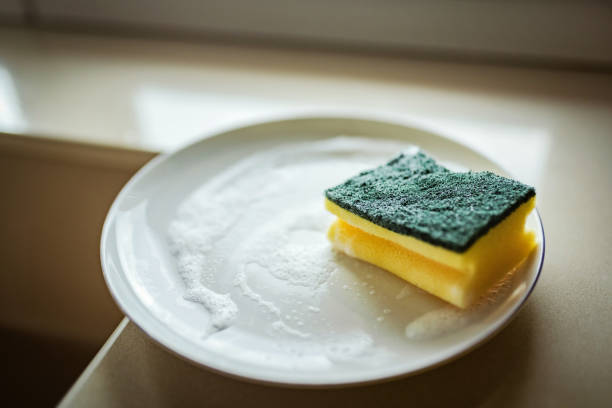
The kitchen sponge was laughing, not loudly; not the kind of laughter humans hear. It was the quiet laughter of a criminal who knows nobody suspects it. “Wash the plate,” it whispered proudly. “…and ensure you use me again.” The plate quietly protested; it wishes the woman in the kitchen can hear them conversing. It was ready to challenge the sponge, “But you’re dirty.” The sponge chuckled. “Dirty? Me? You are an ingrate, I helped wash more than twenty plates yesterday and you are there accusing me?” A colony of bacteria burst into laughter. “Say the truth!” one of them shouted. “No!” Another replied. “Let us enjoy the free accommodation.” All kitchen utensils were surprised to hear that. Yet the sponge sat there looking innocent, soft, harmless and useful. Just like many dangers that quietly live among us.
Science Points Accusing Finger
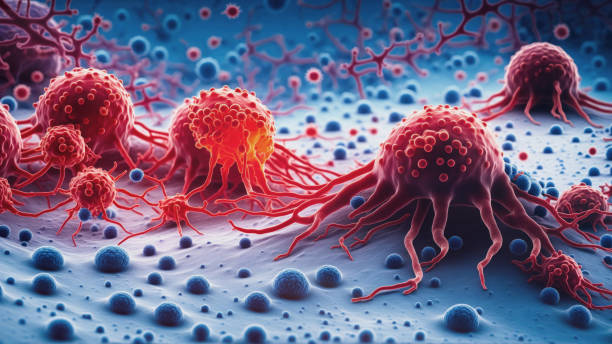
The Sponge – that little piece of foam sitting quietly beside the sink may be hosting a set of bacteria larger than all the population of Northern Nigeria combined. “E shock you?” Don’t mind me, I meant to say, “Are you surprised to hear that?” You know, people like us like to speak Queens English; not the “E shoc…something, something.” Now, back to the truth we need to know: Researchers in Germany shook the world when they discovered billions of bacterial cells living inside used kitchen sponges. Read my lips, I didn’t say:
– Hundreds;
– Thousands;
– Millions but
– Billions of them.
Just Imagine! Imagine the whole of south-west Nigeria packed inside a tiny sponge. Now imagine every resident being a bacterium looking for a place to multiply. You see that! Suddenly, that innocent-looking sponge does not seem so innocent anymore.
Why Germs Love Sponges More Than Humans Love Comfort
If bacteria were asked to design their dream house, it would probably look exactly like your kitchen sponge. You know why? It is: • Warm • Wet • Soft • Full of trapped food particles • Rarely replaced
In other words, it is a five-star hotel for microorganisms.
– Every time food scraps become trapped inside the tiny holes of the sponge; bacteria throw a celebration party.
– Every drop of moisture becomes another opportunity for multiplication.
– Every extra day becomes another generation of invisible tenants. And unlike human tenants, these ones do not pay rent.
– They rather pay with sickness.

The Sponge That Looked Clean
This is where many people get deceived. A sponge may look clean. It may smell normal; it may even appear bright and attractive. Yet appearances have never been reliable judges of cleanliness. The mosquito that spreads malaria does not wear a warning sign; neither do the bacteria that cause food poisoning wave a red flag.
The sponge sitting beside your sink may appear harmless while carrying enough germs to contaminate plates, cups, spoons, pots, and eventually food. The greatest trick many germs perform is looking invisible. You sure know that, don’t you?
When the Sponge Becomes a Distributor
Imagine this: You wash a plate; Then another plate; Then a cup; Then a spoon; Then a baby’s feeding bowl; Then a cooking pot; but what happens when the sponge itself is contaminated? Instead of removing germs, it begins distributing them. Like a delivery company, only this time, the package being delivered is full of diseases.
One contaminated sponge can spread bacteria from one utensil to another, from one meal to another, and from one family member to another. And all of these can happen without a single warning sound.
“But We Have Been Using It for Months”
Exactly! That is the problem. Some kitchen sponges have survived longer than family pets. Some have witnessed Christmas, Easter, birthdays, naming ceremonies and New Year celebrations. Yet they remain faithfully serving – day after day; week after week; month after month. Meanwhile, the bacteria inside are multiplying like tenants who have discovered free accommodation.
If sponges could speak, some would probably say: “Madam, I retired many months ago o; so, you no know (so you didn’t realize it?).” What you would decide or say in response to that is entirely up to you.
The Health Problems Nobody Suspects
Sometimes people keep treating recurring stomach troubles without investigating the kitchen.
§ The occasional diarrhea.
§ The unexplained vomiting.
§ The frequent stomach upset.
§ The mysterious food poisoning.
§ The infection that appears repeatedly.
Of course, not every illness comes from a sponge but a contaminated sponge can become a hidden contributor.
The danger is that many families spend money treating symptoms while ignoring one of the possible sources sitting comfortably beside the sink.
Several Nigerian public health physicians and microbiologists have repeatedly stressed that poor kitchen hygiene is a major contributor to foodborne diseases in Nigerian homes. For example, Akin Abayomi, a physician and public health expert, has frequently emphasized the importance of hygiene and preventive health measures, noting that many illnesses can be reduced through simple cleanliness practices at home. Similarly, Oyewale Tomori has often reminded Nigerians that prevention is usually cheaper and more effective than treatment, especially when it comes to infectious diseases spread through poor hygiene practices.
What Should We Do?
Thankfully, prevention is simple:
1. Wash your sponge thoroughly after every use
2. Squeeze out excess water
3. Allow it to dry properly
4. Never store it permanently in a wet container
5. Replace it regularly
6. Consider using dish brushes, which dry faster and often reduce bacterial growth
7. It will help to pour hot water to disinfect sometimes, and to ensure that trapped particles are removed as much as possible
All these are simple habits, yet powerful protection
Before You Leave… Permit me to ask one uncomfortable question: How old is your kitchen sponge? No, don’t guess.
I think you should go and look at it right now. That sponge may appear small, but it can influence the health of everyone eating from your kitchen. The truth is that sickness does not always arrive through dramatic emergencies. Sometimes it arrives quietly through a spoon, sometimes through a plate and sometimes through the very sponge trusted to keep those things clean. So, the next time you stand before your sink, remember this: A kitchen sponge is either helping your family stay healthy or helping bacteria stay employed.
Make Smarter Choices on sponge, its use and the duration of its stay in your home! Because sometimes longevity does not begin in the hospital; it begins with replacing a sponge. Can I trust you on this? Of course, I believe I can!
I will see you on the next one in this series. Until then, it’s Bye for now!


 English