
By Steven O. Mukoro
A rare genetic disorder linked to dehydrodolichyl diphosphate synthase (DHDSS) has long lacked an effective treatment. However, new research suggests that nicotinamide mononucleotide (NMN), a form of vitamin B3, could offer a promising therapeutic option.
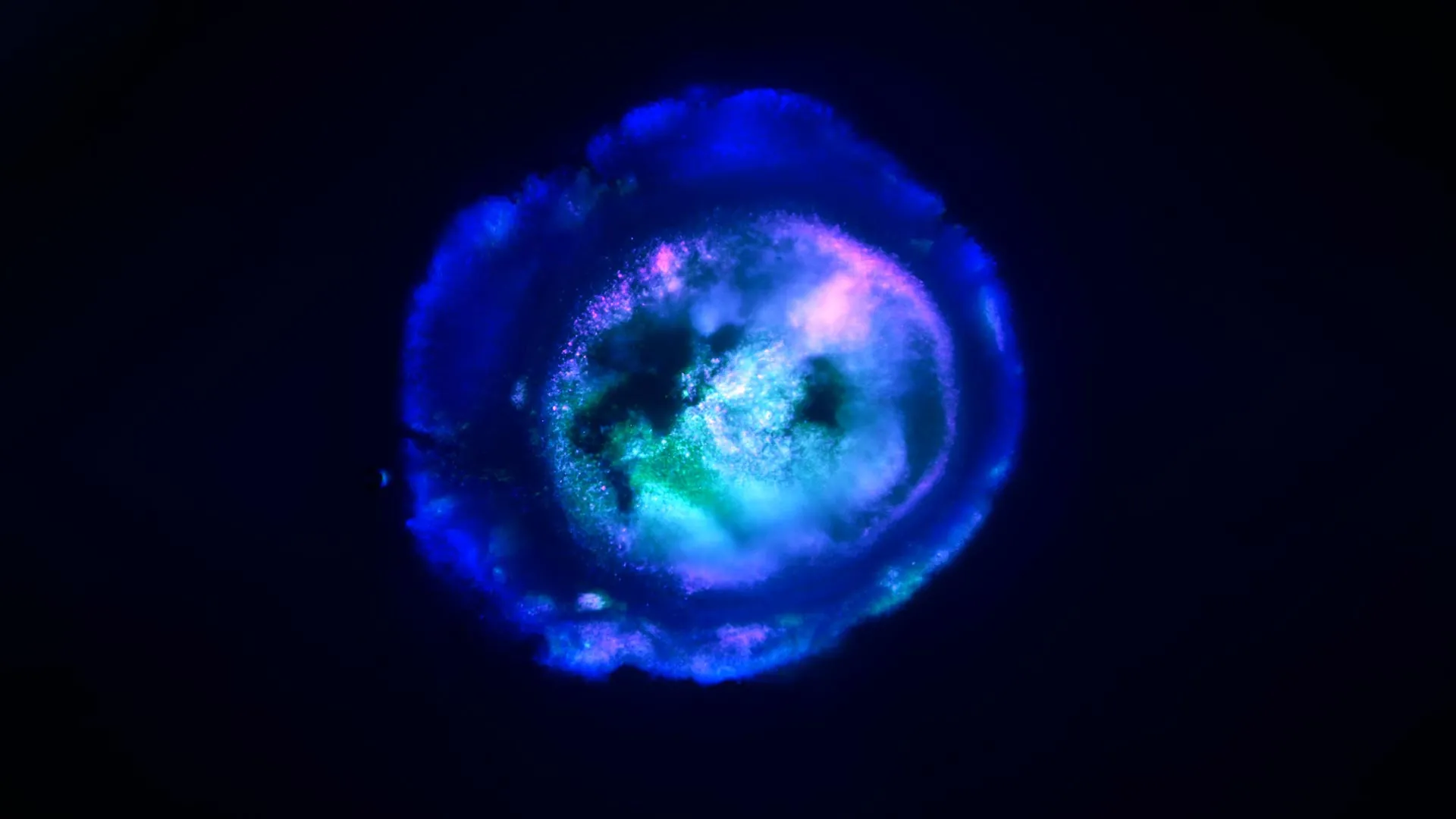
At the recent annual conference of the European Society of Human Genetics in Gothenburg, Sweden, scientists unveiled the first-ever cortical brain organoid models of DHDSS-related disease. The breakthrough study, led by Eva Morava and Tamas Kozicz at the Icahn School of Medicine at Mount Sinai, enabled researchers to better understand how the disorder develops while also evaluating the potential of NMN as a treatment.
DHDSS-related disease is a rare inherited form of congenital disorders of glycosylation (CDG), a group of conditions that disrupt the body’s ability to properly modify proteins. The disease causes progressive neurodegeneration, leading to symptoms such as tremors, seizures, and significant cognitive and developmental impairments.
To create the laboratory-grown brain models without the need for invasive brain tissue samples, the research team collected skin cells from affected patients. These fibroblasts were reprogrammed into induced stem cells and then transformed into neurons, allowing scientists to replicate key features of the disease in brain organoids. This innovative model not only sheds light on the underlying disease mechanisms but also provides a valuable platform for testing potential therapies such as NMN.
“We are the first research team who developed cortical brain organoids in the disease group CDG,” Morava told DDN. “Having this model available for a patient with rare disease allows us to develop personalized treatments for the genetic disorder representing the exact and full genetic makeup in disease-relevant tissue.”
Uncovering the Disease Mechanisms
The research was sparked by a heartfelt appeal from the parents of a child living with DHDSS-related disease. According to Irena Muffels, a former postdoctoral researcher in the Morava-Kozicz laboratory, the parents were determined to find a solution that could prevent their child from becoming wheelchair-dependent and losing the ability to perform everyday tasks because of worsening movement problems.

Motivated by their plea, the research team set out to uncover the biological processes driving the disease. Using skin biopsy samples from patients with DHDSS-related disease and healthy volunteers, the scientists reprogrammed the cells into induced pluripotent stem cells before converting them into neurons. These cells were then used to grow cortical brain organoids, often referred to as “mini-brains,” that closely mimic the developing human brain.
The researchers examined several key features of the organoids, including metabolic activity, brain architecture, cell composition, lipid storage, and electrical signalling. Within just four months, organoids derived from patients began to show clear signs of neurodegeneration.
Further analysis revealed several abnormalities that help explain how the disease progresses. The patient-derived organoids accumulated excessive cholesterol within astrocytes, contained fewer deep-layer neurons, and showed a depletion of dolichol – a lipid essential for transporting sugar molecules during protein glycosylation. Proteomic studies also identified widespread changes in proteins involved in lipid metabolism, cytoskeletal organization, and neuronal development, providing new insights into the molecular pathways disrupted by the disorder.
Searching for a Potential Treatment
After identifying these disease mechanisms, the researchers partnered with Perlara to screen for therapies capable of correcting the underlying defects in lipid metabolism, glycosylation, and mitochondrial function.
Their investigations pointed to nicotinamide mononucleotide (NMN), a vitamin B3 derivative, as a promising candidate. Initial experiments in a yeast model showed that NMN could counteract the effects of the disease. Encouragingly, the treatment also restored many of the abnormalities seen in the human brain organoids, raising hopes that it could become the first effective therapy for DHDSS-related disease.
“Based on our data we approved the patient’s initiative to trial NMN as N-of-1 trials in several patients who were in the natural history for CDG with the safe [over-the-counter] supplement NMN,” said Morava.
Patients who began taking nicotinamide mononucleotide (NMN) experienced noticeable improvements in their ability to walk. The researchers objectively measured these gains by using artificial intelligence to analyze videos recorded by patients and their families at home, providing quantitative evidence of enhanced mobility.
The encouraging findings are consistent with previous research showing that NMN can benefit people with mitochondrial disorders. Scientists believe the compound works by inhibiting mTOR (mechanistic target of rapamycin) signalling while activating PPAR (peroxisome proliferator-activated receptor) pathways, processes that promote the formation of new mitochondria and improve cellular energy production.
Building on these promising early results, Morava and Kozicz’s research team has launched a Phase 1 clinical trial to evaluate the safety and effectiveness of NMN in a larger group of patients with DHDSS-related disease.
Despite the progress, Morava emphasized that much work remains. “There is so much more to do!” she said. Her team plans to continue studying patient-derived brain organoids to better understand the causes of the abnormal lipid metabolism associated with the disease and to identify additional treatment strategies.
The researchers also intend to collaborate with other scientists to develop reliable diagnostic biomarkers, investigate new therapeutic approaches, and ultimately advance toward gene-based treatments that could address the root cause of this rare genetic disorder.

 English