

By Deborah Bamisaye
It’s time in these series to move into ART options. I’m sure you can’t agree more, can you? Now, what is ART?
ART simply means: ‘Assisted Reproductive Technologies’ – ART includes methods to aid fertilization outside the body. When trying to get pregnant through natural means is not working or when couples cannot wait for the natural process any longer, then ART could be the next option. There are a number of options here but let’s start by considering the most common or popular means of ART and that is – In Vitro Fertilization (IVF.)
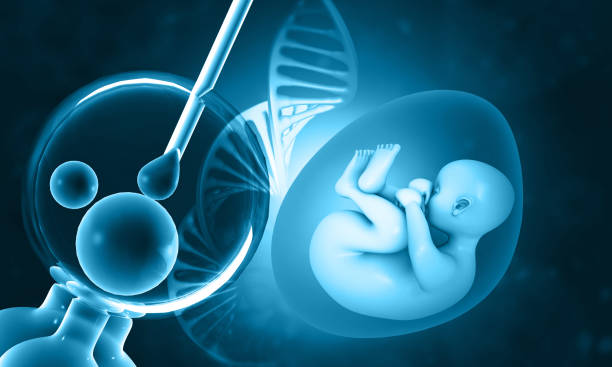
In vitro fertilization (IVF) is a highly effective assisted reproductive technology (ART) used to treat infertility by combining eggs and sperm in a laboratory. The resulting embryos are then transferred into the uterus with the hope of achieving a successful pregnancy.
What the Process Entails and How it Works:

A full cycle of IVF typically takes about two to six weeks and involves several steps.
Ovarian Stimulation: Fertility medications are administered (usually via daily injections for 10-14 days) to stimulate the ovaries to produce multiple mature eggs, rather than the single egg in a natural cycle. Ultrasounds and blood tests are used to monitor follicle growth and hormone levels.
Egg Retrieval: A minor outpatient procedure is performed under light sedation 34-36 hours after a “trigger shot” is given to finalize egg maturation. Using ultrasound guidance, a needle is inserted through the vagina into the ovaries to retrieve the eggs from the follicles.
Sperm Collection: A semen sample is collected from the partner or a donor, and the most viable sperm are isolated in the lab.
Fertilization and Embryo Culture: The retrieved eggs and prepared sperm are combined in a lab dish (conventional IVF) or a single sperm may be injected directly into an egg (intracytoplasmic sperm injection or ICSI). The fertilized eggs (embryos) are monitored in an incubator for 3 to 5 days, or sometimes up to 6 or 7 days, to ensure proper development to the blastocyst stage.
Embryo Transfer: One or more embryos are placed into the uterus using a thin, flexible catheter inserted through the cervix. This procedure is similar to a Pap smear and typically requires no anesthesia. Any extra viable embryos can be frozen for future use.
Pregnancy Test: A blood test is performed about 9 to 14 days after the embryo transfer to determine if pregnancy has occurred by checking for the hCG hormone.

Success Rate
IVF success rates depend heavily on several factors, primarily the woman’s age and the cause of infertility. The rates of live births per egg retrieval using the patient’s own eggs, according to 2021 SART data in the U.S., are approximately:
Under 35 years: ~50%
35–37 years: ~36%
38–40 years: ~23%
Over 40 years: ~7%
When using donor eggs (typically from younger women), success rates are consistently higher across all maternal ages because egg quality is no longer the primary limiting factor.
What Makes it Fail
The most common reason for IVF failure is embryo quality, often due to chromosomal or genetic abnormalities that prevent the embryo from developing or implanting properly in the uterus. Other reasons can include:
Maternal Age: This is a major factor, as egg quality and quantity decline with age.
Implantation Issues: Problems with the uterine lining (e.g., thin lining, fibroids, polyps) can interfere with implantation.
Ovarian Response: Sometimes the ovaries do not respond adequately to the stimulation medications, resulting in too few or no eggs.
Sperm Quality: Low sperm count, motility, or morphology can affect fertilization and embryo quality.
Lifestyle Factors: Smoking, high BMI, and excessive alcohol/caffeine consumption can negatively impact success rates.
Hmmm! While a lot of women had their children through IVF, others have done it more than once, with no positive outcome. Many had to source for the money to get it done and it’s heart breaking when it fails. Are there other options? What’s next in line? Any hope in site?
Let’s follow for more as this article further develops.
See you soon!

 English
Hey! Do you use Twitter? I’d like to follow you if that would be okay.
I’m definitely enjoying your blog and look forward to new posts.
Hi! Thank you so much but we’re not on Twitter, however you can follow us on Facebook or Instagram to get new updates.