

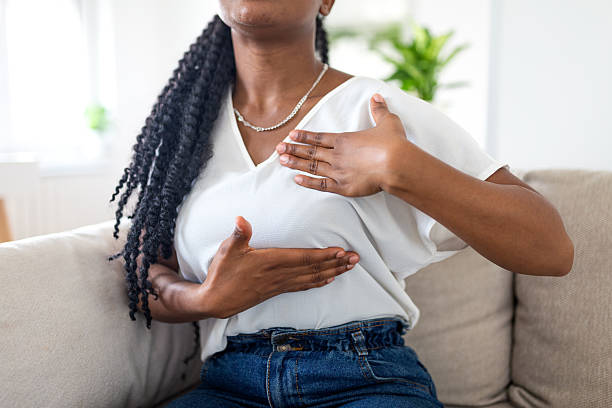
Breast health is an important part of overall well-being. While routine medical checkups and recommended screening tests remain the best ways to detect breast cancer early, becoming familiar with how your breasts normally look and feel can help you notice changes that may need medical attention.
A breast self-examination (BSE) is a simple technique you can perform at home to check for changes such as lumps, swelling, skin changes, or nipple abnormalities. Although it does not replace mammograms or clinical breast examinations, it helps you become familiar with what is normal for your breasts so that you can recognize unusual changes early.
When and How to Perform a Breast Self-Examination
If you menstruate, perform the examination about 3 to 5 days after your period ends, when your breasts are least likely to be swollen or tender. If you no longer have periods, choose the same day each month to make it part of your routine.
Begin by standing in front of a mirror with your shoulders straight and your arms relaxed. Look for any changes in the size, shape, or symmetry of your breasts. Also check for skin dimpling, redness, swelling, nipple inversion, or unusual nipple discharge. Repeat the inspection with your arms raised overhead and again with your hands pressed firmly on your hips.
Next, examine your breasts using the pads of your three middle fingers. You can do this while standing, preferably in the shower, or while lying on your back. Move your fingers in small circular motions, covering the entire breast from the collarbone to the bra line and from the breastbone to the armpit. Apply light, medium, and firm pressure to feel different layers of breast tissue. Follow the same pattern every time so that no area is missed. Repeat the examination on the other breast.

What Changes Should You Watch For?
While examining your breasts, look out for:
- A new lump or thickened area
- Persistent swelling
- Changes in breast size or shape
- Skin dimpling or puckering
- Redness or rash that does not improve
- A nipple that suddenly turns inward
- Bloody or unusual nipple discharge
- Persistent pain in one area of the breast
Most breast changes are not caused by cancer, but any new or unusual finding should be evaluated by a healthcare professional. Breast self-examination is a simple monthly habit that promotes breast awareness and helps you recognize changes that may require medical attention. However, it should not replace regular clinical breast examinations or mammograms recommended for your age and risk level.
If you notice any unusual changes during a breast self-examination, schedule an appointment with a healthcare provider promptly. Early evaluation and diagnosis can improve outcomes if treatment is needed.

 English