

By Evans Matthews
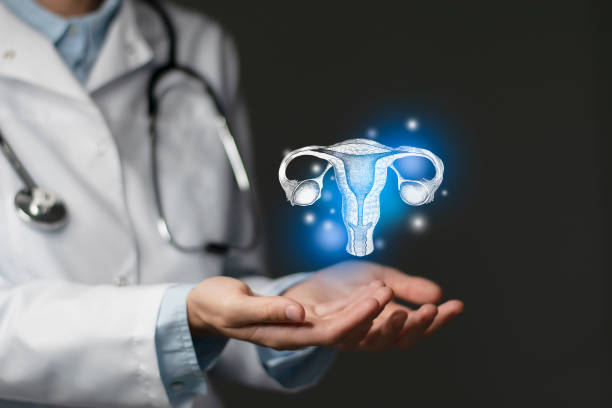
For generations, fertility was viewed as a fixed biological timeline, one that women were expected to follow without interruption. Today, advances in reproductive medicine are reshaping that narrative, offering women across the globe the opportunity to preserve their fertility for medical, personal, or social reasons. From cancer patients in Europe to career-focused professionals in Africa and Asia, fertility preservation has become a powerful tool of reproductive choice.
“Fertility preservation is no longer experimental medicine; it is an established, evidence-based option,” says Dr. Laura Chen, a reproductive endocrinologist based in Singapore. “The challenge is ensuring women everywhere know what choices are available to them, and when.”
Why Fertility Preservation Matters
Female fertility naturally declines with age, with a more noticeable drop after the mid-30s. In addition, medical treatments such as chemotherapy, radiotherapy, or surgery for gynecological conditions can significantly compromise reproductive potential. Autoimmune diseases, endometriosis, and even genetic conditions may also threaten future fertility.
Globally, social factors play an increasing role. Women are pursuing higher education, building careers, or waiting for the right partner, often delaying childbirth. Fertility preservation bridges the gap between biological reality and modern life choices.
“Preserving fertility is about protecting future options, not making immediate decisions about motherhood,” notes Professor Ana Ribeiro, a fertility specialist in Brazil.

Key Medical Options Available
1. Egg Freezing (Oocyte Cryopreservation)
Egg freezing is currently the most widely used fertility preservation method for women. Mature eggs are retrieved, frozen using advanced vitrification techniques, and stored for future use. When the woman is ready, the eggs can be thawed, fertilized, and implanted via in vitro fertilization (IVF).
Once considered experimental, egg freezing is now routine in many countries. Success rates depend largely on the woman’s age at the time of freezing. “The younger the eggs, the higher the chance of a healthy pregnancy later,” explains Dr. Chen.
2. Embryo Freezing
This option involves fertilizing retrieved eggs with sperm, either from a partner or donor – before freezing the resulting embryos. Embryo freezing has a long history and slightly higher success rates compared to egg freezing. However, it requires firm decisions about sperm source and embryo ownership, which may not suit every woman.
3. Ovarian Tissue Cryopreservation
Still less common but rapidly evolving, this method involves surgically removing and freezing ovarian tissue for later re-implantation. It is particularly valuable for girls and young women who cannot delay cancer treatment or undergo egg retrieval.
“This technique has restored natural fertility and hormonal function in several patients worldwide,” says Dr. Fatima Al-Sayed, a reproductive surgeon in the Middle East. “It represents hope where none previously existed.”
4. Medical Ovarian Suppression
In some cancer cases, medications known as GnRH analogues are used during chemotherapy to temporarily suppress ovarian function, reducing damage to eggs. While not a standalone solution, it may offer additional protection when combined with other methods.
Access, Ethics, and Global Gaps
Despite scientific progress, access to fertility preservation remains uneven. Cost, cultural beliefs, legal restrictions, and lack of awareness limit uptake in many low- and middle-income countries. In parts of Africa and South Asia, fertility discussions are still deeply tied to stigma and misinformation.
“Education is as important as technology,” Professor Ribeiro emphasizes. “Women cannot choose what they do not know exists.”
Ethical considerations such as storage duration, posthumous use, and equity, also continue to shape global policy discussions.
Looking Ahead
Fertility preservation is not a guarantee of future pregnancy, but it is a meaningful safeguard. As research advances and access improves, it is becoming an integral part of women’s healthcare worldwide.
Ultimately, informed choice is the cornerstone. As Dr. Al-Sayed puts it, “Fertility preservation gives women time – time to heal, time to grow, and time to decide their own reproductive future.”


 English