
More than 1,400 people have contracted Bundibugyo virus disease (BVD) since the outbreak began in the (DRC) Democratic Republic of the Congo, and nearly 440 have died. Ituri province alone has recorded dozens of deaths and hundreds of suspected cases. Until now, doctors have had no approved treatment to offer them. That changed this week as the first patients were enrolled in a clinical trial designed to find one.
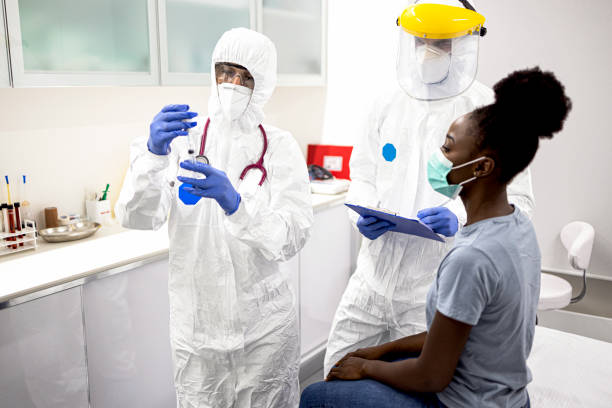
The trial, named PARTNERS, will run in DRC treatment centers and test two experimental therapies: an antibody drug called MBP134 and the antiviral remdesivir. Researchers want to know not just whether each drug works on its own, but whether giving patients both together produces better outcomes than either alone.
Other strains of Ebola already have approved treatments. Bundibugyo does not, and no drug so far has proven effective against every strain of the virus. That gap is what the trial is trying to close.
Behind the trial is a coalition that spans continents: the World Health Organization is sponsoring it, while DRC’s own Institut National de Recherche Biomédicale (INRB) is running it on the ground alongside the Institute of Tropical Medicine in Belgium and the University of Oxford. Africa CDC, ALIMA, and Médecins Sans Frontières are also involved, and an independent safety board will monitor results as they come in.
WHO Director-General Dr Tedros Adhanom Ghebreyesus pointed out that people are already surviving BVD even without approved drugs, but said proper treatments could push survival rates much higher.
What makes PARTNERS different from a typical trial is its structure. It is built as a “platform” trial, meaning scientists can add new treatment candidates to the study as they emerge, without having to start a new trial from scratch each time. According to Professor Amanda Rojek of Oxford’s Pandemic Sciences Institute, that design lets researchers generate usable evidence during the outbreak, not years after it is over — a lesson drawn from past Ebola responses where research lagged behind the crisis.
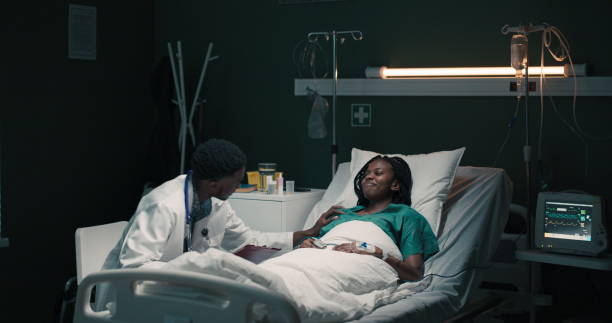
Patients who join the trial won’t just receive experimental drugs. They will also get standard supportive treatment, including fluids, oxygen, and pain relief, and will be followed closely for at least 28 days after enrollment.
DRC’s Minister of Health, Dr Samuel Roger Kamba, framed the trial as a signal of the country’s growing role in outbreak science, saying it gives patients and families real hope while helping build tools for future epidemics.
If the trial succeeds, it won’t just help the current outbreak. Because PARTNERS is designed to operate across multiple outbreaks, any treatments proven effective here could become part of the standard response to future Ebola and Marburg cases.

 English