

By Deborah Bamisaye
“Again?” the cup groaned. “This is the third time today.”
The clove stretched in the hot water. “I used to be seasoning for jollof. Now I’m doing overtime.”
The kettle laughed. “She heard ‘natural’ and forgot ‘moderation.'”
Exactly,” said the clove. “I help in small doses. In excess, I complain to the liver. Does she think natural means unlimited?”
The cup trembled as the water darkened.
Nature cleared its throat: “Helpful things don’t turn harmful overnight – they’re pushed there, one habit at a time.”
Clove sighs – “I’m good but even good things know when they’re being pushed too far.”
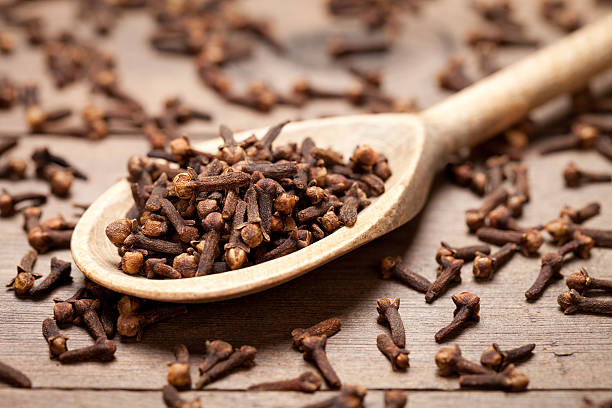
Cloves have long enjoyed a reputation as one of nature’s most trusted remedies – prized for their warmth, aroma, and wide range of health benefits. From easing toothache to supporting digestion and fighting microbes, this small dried bud has earned its place in kitchens and traditional medicine cabinets alike. Yet beneath its natural appeal lies a lesser-known truth: when cloves are consumed in excess, taken in concentrated forms, or used continuously as a remedy, they can quietly shift from helpful to harmful, placing stress on the liver, blood, and digestive system.
What Really Causes the Danger with Cloves?
The risks linked to cloves do not come from casual or culinary use. They emerge when certain factors combine – especially how much is taken, how it is prepared, and how often it is used.
Quantity is the Strongest Trigger
Cloves contain eugenol, a powerful compound that is beneficial in tiny amounts but harmful when consumed excessively. Large quantities overwhelm the liver, irritate the stomach, and thin the blood too much. This is why eating cloves in food is safe, while taking several cloves daily as a “remedy” becomes risky.
Preparation plays a major role. Whole cloves release eugenol slowly. When cloves are crushed, boiled into strong teas, extracted, or turned into oil, the concentration rises sharply. Clove oil is the most dangerous form because it delivers a large dose of eugenol all at once, making overdose easy and unpredictable.

Frequency creates buildup
Even moderate amounts can become harmful if taken every day over a long period. Daily clove water, nightly clove tea, or repeated medicinal use allows eugenol to accumulate in the body, gradually stressing the liver and, increasing bleeding and blood sugar risks.
Culinary Use is Rarely a Problem
When cloves are used as a spice in cooking, the dose is low, exposure is spread out, and the body handles it easily. This is why cloves have been safely used in food across cultures for centuries without widespread harm.

In Simple Terms
Cloves become dangerous not because they are toxic, but because:
1. People use medicinal quantities instead of food quantities.
2. Concentrated forms are taken too often.
3. Natural safety limits are ignored.
Or more plainly:
Food use = safe
Medicinal overuse = risky
Oil misuse = dangerous
According to Prof. Ignatius A. Onimawo, a leading Nigerian nutritionist and academic, spices such as cloves are part of the nutritional fabric of many diets and can contribute trace nutrients and phytochemicals when used in moderation. The real risks with cloves are usually hidden in how they are prepared, how often they are used, and how much is consumed.
Like many natural remedies, cloves work best when respected — because what heals in moderation can harm when taken for granted.
With all these said, it’s time not to allow cloves to move quietly from ‘Beneficial’ to ’Harmful.’


 English