

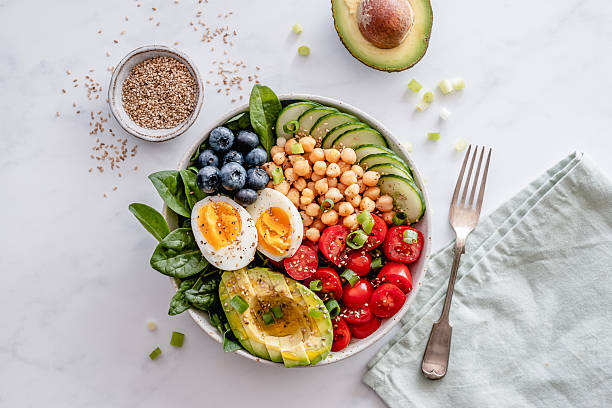
Healthy eating isn’t about following strict diets or eliminating all your favourite foods. Instead, it is about making balanced food choices consistently to support your overall health. Small, sustainable changes often have a greater impact than drastic diets that are difficult to maintain.
Whether you want to boost your energy, manage your weight, or reduce your risk of chronic diseases, building healthy eating habits is one of the most effective steps you can take.
Why Healthy Eating Is Important
A nutritious diet provides your body with the vitamins, minerals, protein, healthy fats, carbohydrates, and fibre it needs to function properly. Eating well can help you:
- Maintain a healthy weight.
- Strengthen your immune system.
- Improve concentration and mental performance.
- Support healthy digestion.
- Lower the risk of heart disease, type 2 diabetes, high blood pressure, and some cancers.
- Increase your energy levels and overall well-being.
10 Simple Ways to Build Healthy Eating Habits
1. Never Skip Breakfast
Starting your day with a balanced breakfast helps replenish your energy after an overnight fast and may improve focus throughout the day.
Aim to include a combination of:
- Whole grains
- Lean protein
- Fruits
- Healthy fats
2. Make Fruits and Vegetables the Star of Your Plate
Try to fill at least half your plate with fruits and vegetables at every meal. They are packed with vitamins, minerals, antioxidants, and fibre that help protect against disease and support good digestion.
Eating a variety of colourful fruits and vegetables ensures you get a wider range of nutrients.
3. Choose Whole Grains Instead of Refined Grains
Whole grains contain more fibre and nutrients than refined grains, helping you stay fuller for longer while supporting heart and digestive health.
Healthy options include:
- Oats
- Brown rice
- Whole-wheat bread
- Millet
- Sorghum
- Unprocessed maize
Among these, oats are particularly beneficial because they contain beta-glucan, a type of soluble fibre that supports heart health and healthy blood sugar levels. To learn more, read our article on the health benefits of oats
4. Include Lean Protein in Every Meal
Protein helps build and repair body tissues while keeping you satisfied between meals.
Choose healthy protein sources such as:
- Fish
- Skinless chicken
- Eggs
- Beans
- Lentils
- Soy products
- Lean cuts of meat
Including protein in your meals may help reduce unnecessary snacking.
5. Stay Hydrated
Water plays a vital role in digestion, circulation, temperature regulation, and kidney function.
Drink water regularly throughout the day and limit sugary drinks, soft drinks, and sweetened beverages, which can contribute to excess sugar and calorie intake.
6. Cut Back on Sugar and Salt
Too much added sugar increases the risk of obesity, type 2 diabetes, and tooth decay, while excessive salt intake is linked to high blood pressure.
Simple ways to reduce your intake include:
- Taste food before adding more salt.
- Choose water instead of sugary drinks.
- Read nutrition labels when buying packaged foods.
- Limit highly processed foods.
7. Watch Your Portion Sizes
Even healthy foods should be eaten in appropriate portions.
You can avoid overeating by:
- Using smaller plates.
- Eating slowly.
- Paying attention to hunger and fullness cues.
- Avoiding eating directly from large packages.
Mindful eating can help prevent unnecessary calorie intake.
8. Plan Your Meals Ahead
Planning your meals makes it easier to maintain healthy eating habits, especially during busy weeks.
Meal planning can help you:
- Save money.
- Reduce food waste.
- Avoid last-minute unhealthy food choices.
- Maintain a balanced diet.
Preparing meals ahead of time can also make healthy eating more convenient.
9. Choose Healthy Snacks
Snacking isn’t unhealthy if you make nutritious choices.
Better snack options include:
- Fresh fruit
- Boiled eggs
- Unsweetened yoghurt
- Groundnuts
- Carrot or cucumber sticks
Try to limit pastries, sweets, sugary biscuits, and deep-fried snacks as everyday choices.
10. Make Small Changes That Last
One of the biggest mistakes people make is trying to change everything overnight. Instead, focus on one habit at a time.
Start with small, achievable changes, stay consistent, and remember that progress matters more than perfection. Over time, these simple habits can reduce your risk of chronic diseases and help you enjoy a healthier, more active life.
If you have a medical condition such as diabetes, hypertension, kidney disease, or food allergies, seek personalised nutrition advice from a qualified healthcare professional or registered dietitian before making significant dietary changes.



 English