
By Deborah Bamisaye
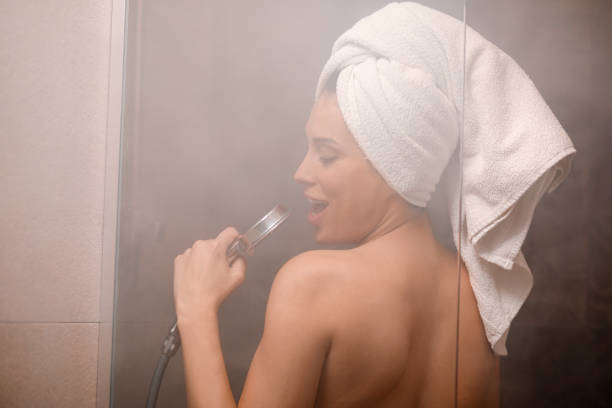
Showering is one of life’s simplest pleasures. It refreshes, relaxes, and restores. For many, it marks the beginning of the day or the gentle closing of it. Yet, like a rose admired for its beauty, the habit carries its own hidden thorns or effects which are not deliberately intended.
I believe the following scenario sounds familiar:
“What are you trying to do?”
“What kind of question is that? I’m going to take a shower. You know I can’t sleep without one.”
“Really? Even if it’s late?”
“Especially if it’s late. A quick rinse won’t do it. I need at least fifteen minutes under the water – sometimes more. Otherwise, I just lie awake.”
“Well, if that’s what works for you, go ahead.”
No doubt, for many people, a long shower – especially at night – is more than just a hygiene routine. It’s a ritual; a way to unwind – a signal to the body that it’s time to sleep.
But what if that relaxing for 5–20 minutes under hot water isn’t always harmless?
Now, while a healthy person may tolerate long showers without immediate issues, individuals with high blood pressure, low blood pressure, heart conditions, or certain skin problems may experience unexpected effects.
Water temperature matters, duration matters; even the time of the day matters!

The Question of Falling in the Bathroom
Showering for extended periods, particularly with very hot or very cold water, can affect people differently. One is not sure if this is what has been responsible for some deaths in the bathroom, owing to underlying sicknesses. One may not be able to completely rule this out, you know. An autopsy may mention the underlying sickness, but may not be able to capture the trigger, right in the bathroom.
Hot showers, for example, can cause blood vessels to dilate, which may lower blood pressure temporarily. For someone with hypotension, this could lead to dizziness or lightheadedness.
On the other hand, very cold showers can trigger sudden blood vessel constriction, placing temporary stress on the heart.
The Skin Too?
Then there’s the skin. Prolonged exposure to hot water strips the skin of its natural oils, potentially worsening dryness, irritation, or conditions like eczema.
So, while a long shower may feel like the perfect pathway to restful sleep, it’s worth asking: at what point does comfort become a hidden risk?
Before you spend another 20 minutes under steaming water tonight, it might be wise to consider whether your shower habit is helping your body or quietly working against it.
1. Morning vs. Night Showers: Does Timing Matter?
The time you choose to shower may seem like a simple lifestyle preference, but it can influence how your body responds. Morning showers often stimulate circulation and alertness, while nighttime showers tend to relax muscles and prepare the body for rest. For a healthy individual, either option may pose little concern. However, for people living with hypertension, hypotension, heart disease, or certain skin conditions, the timing of a shower – especially when combined with water temperature and duration – can produce different physiological effects.

2. How Blood Pressure Responds to Long Showers
Water temperature plays a significant role in cardiovascular response. Hot showers cause blood vessels to dilate, which may temporarily lower blood pressure. For individuals with hypotension (low blood pressure), this can result in dizziness or lightheadedness, particularly at night when the body is already winding down. Conversely, very cold showers constrict blood vessels and may cause a brief spike in blood pressure – something people with hypertension or heart disease should approach cautiously. What feels refreshing to one person may be destabilizing to another; you know.
3. Heart Health and Prolonged Exposure to Heat
Spending more than five to fifteen minutes under hot water places mild stress on the cardiovascular system. Heat encourages the heart to pump faster to regulate body temperature.
While a healthy heart adapts easily, individuals with underlying heart conditions may experience palpitations, fatigue, or discomfort after prolonged exposure. A long, steamy shower may feel soothing, but for some, it quietly increases cardiac workload.
4. The Skin Barrier: When Comfort Turns Costly
Beyond circulation and heart rate, the skin also responds differently depending on shower habits. Prolonged hot showers strip away natural oils that protect the skin barrier. For people with eczema, dermatitis, or chronically dry skin, extended exposure can worsen irritation, itching, and inflammation. Even healthy skin can become dry and sensitive when repeatedly exposed to heat for extended periods.
5. Healthy Individuals vs. Vulnerable Groups
A person in good health may take long showers with little noticeable consequence. However, individuals managing high blood pressure, low blood pressure, cardiovascular conditions, or chronic skin disorders must be more attentive. The “thorn” is not in the act of showering itself — it lies in duration, temperature, and personal health status. What relaxes one body may strain another.
Dr. Hilda Ashio Titiloye – a Nigerian dermatologist trained internationally, emphasizes that long, hot showers can strip the skin’s natural protective oils, leaving it dry, irritated, and more vulnerable to inflammation or underlying skin conditions. Her perspective aligns with dermatological consensus that prolonged exposure to hot water weakens the skin barrier and can make eczema, dryness, and irritation worse.
Dermatology experts practicing in Nigeria have increasingly cautioned against overly elaborate or excessive cleansing routines (whether through too many products or prolonged water exposure), especially in a climate like ours where the skin is already prone to dryness or sensitivity if its natural balance is disrupted. They advise simple, gentle cleansing rather than extended showers with heat and soaps that strip oils.
The issue is not the shower itself. It is the unconscious excess – the extra ten minutes under scalding water, the nightly ritual performed without considering personal health realities. What feels harmless may quietly influence blood pressure, strain the heart, or weaken the skin’s protective barrier.
For the healthy individual, the risks may be minimal. For those living with hypertension, hypotension, heart disease, or chronic skin conditions, the effects may be more pronounced. The difference lies not in the water alone, but in the body beneath it.
Moderation, therefore, becomes the safeguard. A shower need not be prolonged to be effective. Warm, not excessively hot – water, reasonable duration, and awareness of one’s health condition can transform a potentially harmful routine into a safe and beneficial one.
In the end, the “effects” of long showers are not meant to frighten, but to remind us that: ‘Even our most comforting habits deserve reflection. Because sometimes, what soothes us most can, if unchecked, quietly work against us.’
So, the next time you shower for more than 5 minutes; let your shower offer you roses and not thorns or unintended effects.

 English