
By Deborah Bamisaye
Several Nigerian HIV experts have issued recent statements on: rising infections, treatment access, and funding challenges:
– Dr. Temitope Ilori, NACA Director General, stated that 1.6 million of Nigeria’s estimated 2 million HIV patients receive treatment, shared at a 2024 World AIDS Day press conference in Abuja.
– Dr. Chinonso Egemba (Aproko Doctor), healthcare influencer: Cited outdated HIV stats on infections (200,000 annually) amid US aid cuts, urging stronger local systems; fact-checked in Africa Check (March 2025).
– Prof. Lawrence Ogbonnaya and Prof. Tanimola Akande: Warned of HIV rise from 55% condom distribution drop; quoted in Punchng Healthwise (November 2025).
– An Anonymous Nigerian Doctor, raised alarm over rising HIV rates in Abuja and Lagos based on symposium data, urging testing and responsibility; quoted in GWG.ng (June 2025).
NIMR experts (unnamed): Highlighted adolescents lagging in prevention, risking 2030 AIDS goals; Vanguard (August 2025).
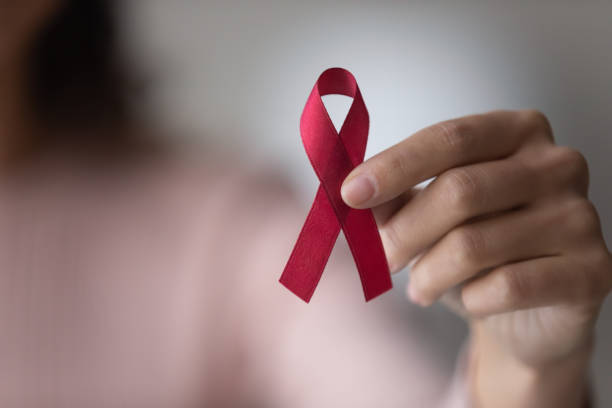
HIV, or human immunodeficiency virus, attacks the body’s immune system by targeting CD4 cells, potentially leading to AIDS if untreated.
Transmission
HIV spreads through specific body fluids like blood, semen, pre-ejaculate, vaginal fluids, and breast milk from an infected person, primarily via unprotected sex, sharing needles, or mother-to-child during pregnancy, birth, or breastfeeding. It does not transmit through casual contact such as hugging, kissing, or sharing food.
Progression and Treatment
Without antiretroviral therapy (ART), HIV progresses in stages: acute infection with flu-like symptoms, chronic phase, and eventually AIDS, where opportunistic infections thrive due to immune failure. ART suppresses the virus, prevents progression to AIDS, and makes transmission during sex effectively impossible if viral load is undetectable (U=U principle).
Prevention
Key strategies include condom use, pre-exposure prophylaxis (PrEP) for at-risk individuals, needle exchange programs, and routine testing. Early diagnosis and daily ART enable people with HIV to live long, healthy lives.
What are the Early Symptoms of HIV Infection?
Early symptoms of HIV infection, known as acute HIV or acute retroviral syndrome, typically appear 2 to 4 weeks after exposure and resemble flu-like illness, lasting a few days to several weeks.
Common Symptoms
These often include fever, chills, headache, fatigue, sore throat, swollen lymph nodes (especially in the neck), muscle or joint aches, and rash (usually red and non-itchy on the torso). Additional signs can involve night sweats, diarrhea, nausea, mouth ulcers, weight loss, and sometimes genital ulcers.
Not everyone experiences symptoms, and these alone do not confirm HIV, as they mimic other infections like the flu; testing is essential for diagnosis.
There are assumptions and the correct versions on HIV matters. Let’s check them out under Myths and Facts:
Common myths about HIV often fuel stigma and misinformation, but facts clarify that it spreads only through specific body fluids like blood, semen, vaginal fluids, rectal fluids, and breast milk during high-risk activities such as unprotected sex or needle sharing. Let’s check out the following:
1. Transmission Myths
a. Myth: HIV spreads through casual contact like hugging, kissing, or sharing utensils.
b. Fact: It does not transmit via saliva, sweat, tears, toilet seats, mosquito bites, or everyday interactions.
a. Myth: Only certain groups (e.g., gay men or IV drug users) get HIV.
b. Fact: Anyone can contract it regardless of sexual orientation, gender, or lifestyle through unprotected sex or other fluid exchanges.
a. Myth: You can’t get HIV from oral or vaginal sex.
b. Fact: While oral sex risk is low, vaginal and anal sex carry significant transmission potential without protection.
2. Progression and Treatment Myths
a. Myth: HIV always progresses to AIDS. b. Fact: Antiretroviral therapy (ART) prevents AIDS by keeping the virus suppressed, allowing normal lifespans.
a. Myth: People with HIV can’t have children or transmit safely.
b. Fact: With undetectable viral load via ART (U=U), transmission risk during sex drops to zero, and safe conception options exist.
Shedding More Light on Kissing or Casual Contact
No, HIV cannot be transmitted through kissing or casual contact like hugging, shaking hands, sharing utensils, or using the same toilet. Kindly read on as there is a clause in this write-up.
Kissing Specifics:
HIV does not spread through saliva alone, as the virus cannot survive effectively in it due to protective enzymes and proteins. Deep, open-mouth kissing poses virtually no risk unless both partners have open sores or bleeding gums allowing blood-to-blood contact, which is extremely rare with only isolated cases documented.
Casual Contact Facts:
Transmission requires direct exchange of specific fluids-blood, semen, vaginal fluids, rectal fluids, or breast milk from someone with detectable viral load entering the bloodstream or mucous membranes. Everyday interactions like sneezing, coughing, sharing food/drinks, or mosquito bites carry zero risk, as HIV does not spread through air, sweat, tears, urine, faeces, or unbroken skin.
In other words, broken skin and bleeding gums are exceptions to the rule and give easy access to being infected. This calls for carefulness on the part of those concerned.
Not everyone having the symptoms mentioned in this write-up actually has HIV. A visit to a physician for tests will help verify the true state of things. However, it is important to note that: HIV is still out there, having It’s Time with the Microphone. Carelessness is not an option for you, is it?
So, Stay informed! &
Stay careful out there!


 English