

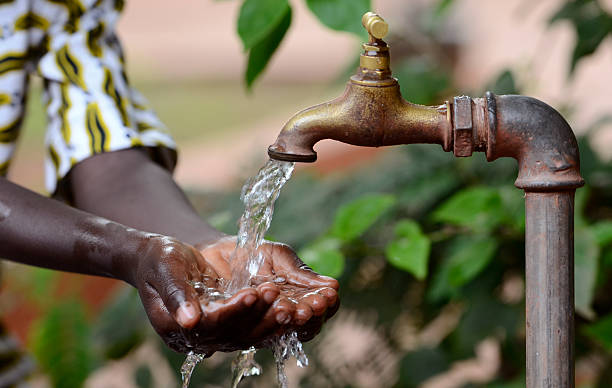
The World Health Organization (WHO) has issued revised drinking-water quality guidelines aimed at helping countries improve water safety systems and reduce exposure to water-related health risks.
The updated recommendations come as billions of people around the world continue to face challenges accessing safe drinking-water. WHO estimates that more than two billion people still lack safely managed water services, with millions relying on untreated surface water sources such as rivers and lakes.
The new guidance provides countries with a framework for strengthening national regulations, improving monitoring systems and adopting preventive measures that can detect and address threats before they affect public health.
WHO said the latest edition incorporates new scientific evidence and lessons from countries that have adopted risk-based approaches to water management. It places greater emphasis on preventing contamination at source rather than responding after outbreaks or water quality failures occur.
Among the areas receiving additional attention are microbial contamination, which remains the leading cause of waterborne diseases, and the management of smaller water supply systems that often face greater operational challenges.
The revised guidelines also provide updated information on selected chemical contaminants, including pesticides used in vector control programmes, as well as new information on emerging viruses that may be transmitted through water.
Commenting on the update, Dr Rüdiger Krech, Acting Director of WHO’s Department of Environment, Climate Change, One Health and Migration, said safe drinking-water remains essential to health, development and the fulfilment of human rights. He added that the revised guidance encourages countries to focus resources on preventing contamination and managing risks before they evolve into major public health threats.
Central to the recommendations is the continued promotion of water safety plans. The updated guidance draws on practical experiences from various settings and clarifies how sanitary inspections can help identify hazards and support monitoring and maintenance activities, especially in small-scale water systems.
The latest edition consolidates previous updates and is expected to serve as a key reference for countries seeking to strengthen drinking-water standards and expand access to safe water, a cornerstone of public health and sustainable development.
The latest publication consolidates previous updates and replaces earlier editions, including the 2022 fourth edition that incorporated the first and second addenda.


 English