

By Deborah Bamisaye
Yes!!! Sure you are excited to be here again. Following this series, gives you the idea that some foods will always beg, ‘Keep me out, while others will usually say, “Keep me back in as soon as you are done,” others will always tell you not to bother about refrigeration, “Just place me on the kitchen shelf,” they’ll humbly plead. For some others – it’s the protest of not wanting to stay with certain other foods because that way, they could get ripen or become messed-up too quickly. Wondering what today’s begging could be about? Come along and let’s find out:
There is a moment almost every one of us has experienced: You pick up a carton of milk. Without thinking, your eyes search for just one thing – the Expiry Date. You find it. You nod with relief: “Still within date.” Case closed, or so you think. But have you ever wondered why two people can buy the same food on the same day with the same expiry date yet one ends up enjoying it while the other throws it away just few days later?
The date didn’t change.
The food didn’t change.
So… What did?
Perhaps we’ve been asking the wrong question all along. Instead of asking, “Has this food expired?” maybe we should first ask, “What has this food been through since I brought it home?”
This is because between the supermarket shelf and your dining table, a lot can happen. The most popular victims?
Milk has seen it.
Chicken has suffered it.
Rice has paid the price for it.
Today, they’ve decided to tell their side of the story.
Milk’s Gentle Warning
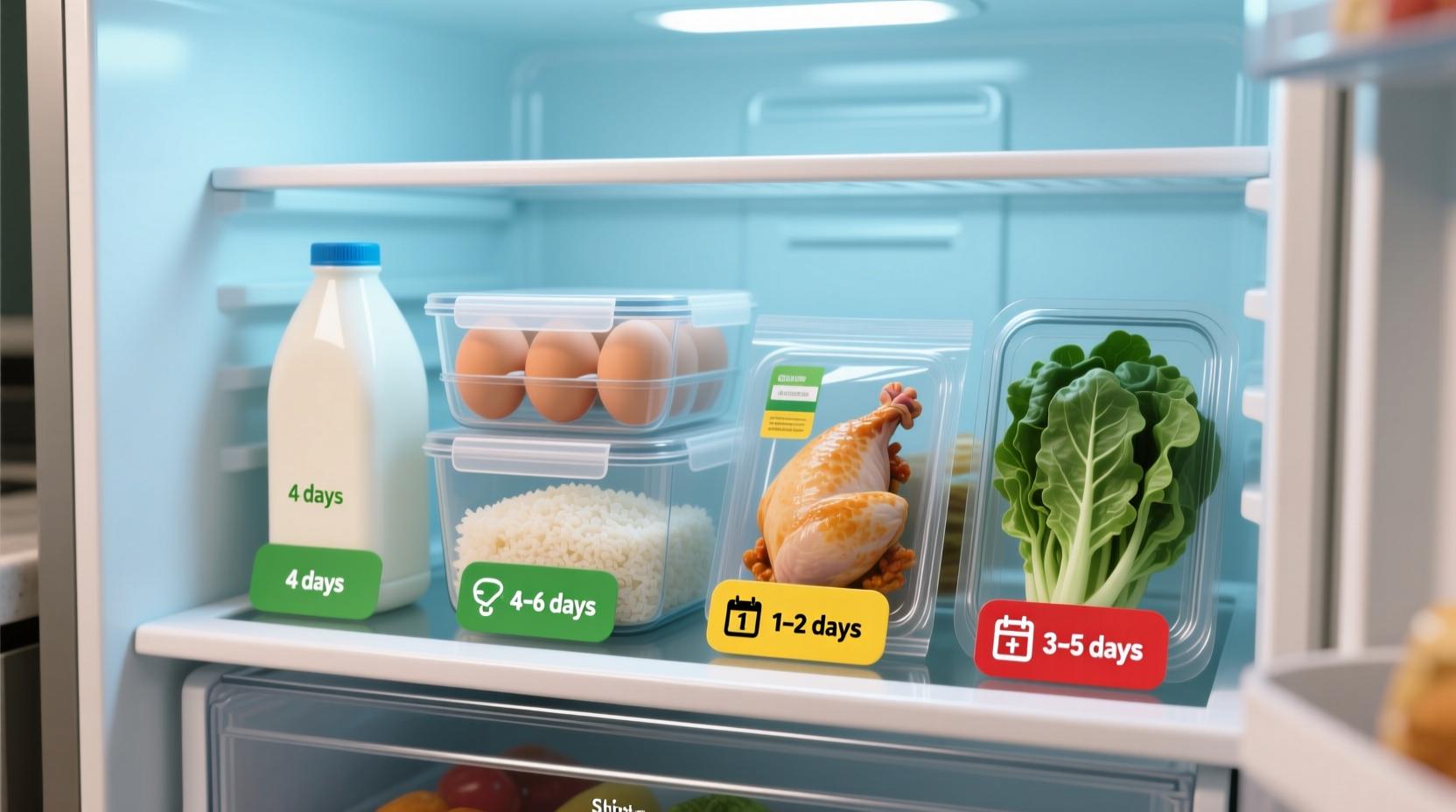
Milk smiles: “I know why you trust me; you see my expiry date and breathe a sigh of relief. But tell me… How many times have you left me on the breakfast table while everyone rushed off to work or school? How often have I travelled from the supermarket to your home without proper cooling?” (Milk pauses.) “Every minute outside the refrigerator writes a new chapter in my story.”
“And please, if I smell sour; if I look curdled; if I pour out in lumps instead of flowing smoothly;” “I’m not being difficult;”
“I’m trying to protect you.”
Lesson: Once opened, milk should be refrigerated promptly and consumed within a few days. If its smell, appearance or texture changes, don’t ignore the warning, even if the printed date hasn’t passed.

Chicken Does Not Negotiate
Chicken doesn’t speak immediately. When it finally does, its voice is calm…almost too calm to suspect.
“I don’t negotiate with time. I don’t negotiate with heat. You may leave me outside and say, ‘I’ll be back in a few minutes. But bacteria don’t wait because you’re busy. They don’t pause because your phone rang – they simply multiply.” And here’s what makes me dangerous: “I don’t always announce it. I may still look fresh. I may not smell bad. But appearances have fooled many people before. Don’t fall for it!”
Lesson: Refrigerate raw chicken as soon as possible after purchase, thaw it safely, and never leave it at room temperature for long.
Rice? What Has It Got to Say?
Rice chuckles: “I know, most people never suspect me.” I’m served at birthdays, family dinners and other celebrations.
I bring people together.” (Then it sighs) “But when the party ends… many people forget about me. I’m left in the pot. I’m covered and forgotten. ‘We’ll refrigerate it later,’ they say.” (Rice lowers its voice): “Sometimes…later is too late.”
Lesson: Cooked rice should be cooled and refrigerated promptly. Leaving it at room temperature for several hours increases the risk of harmful bacteria multiplying.
The Common Mistakes We Hardly Notice
Imagine these three foods looked at one another, and then they all turned towards you: “Can we tell you a secret?” “It isn’t always what people eat that makes them sick. It’s what people do before they eat.”
How? Leaving leftovers out for too long; ignoring unusual smells because “the date is still valid.” Repeatedly taking food in and out of the refrigerator; keeping food long after it has begun to change points to:
· Small habits.
· Big consequences.

The Expiry Date: A Guide, Not a Guarantee
Let’s clear up one of the biggest misunderstandings in our kitchens – ‘expiration.’ An expiry date is important, but it is not magical. It does not follow your food home. It cannot tell whether your groceries spent an hour in the boot of your car under the afternoon sun. It cannot see that the chicken sat on the kitchen counter while you answered a phone call. It certainly cannot remember that yesterday’s rice slept peacefully in the pot all night.
The date only works under one assumption: ‘That the food has been handled properly from the moment it leaves the store until the moment it reaches your plate.’ Break that chain, and the story changes:
· Sometimes quietly.
· Sometimes dangerously.
The Experts Have Been Saying This for Years
Food safety experts around the world have consistently reminded us that proper storage, temperature control, and safe handling are just as important as checking expiry dates. In fact, many cases of foodborne illnesses begin long before the expiry date arrives. Not because the food was bad, but because the food that was good was handled badly.
So, Who Really Decides When Food Expires?
Perhaps we’ve been asking the wrong question all along. We should not ask: “Has this food expired?” But: “Have my habits expired the food before its time?”
When the manufacturer prints one expiration date, your kitchen may write another.
Before you prepare your next meal, don’t stop at reading the label. Read the food. Notice its smell, texture and appearance, and remember how it has been stored. Sometimes, the safest decision isn’t printed on the package, NO! It begins with the choices you make at home.
You’ll do the needful, right? Excellent!
Until our next health conversation, “keep your kitchens working for you.” And this time, “not against you.”
Cheers!



 English
One thought on “When Refrigeration Goes Wrong: Foods Begging – ‘Keep Me Out!’ – 5”