

By William A. Baruwa
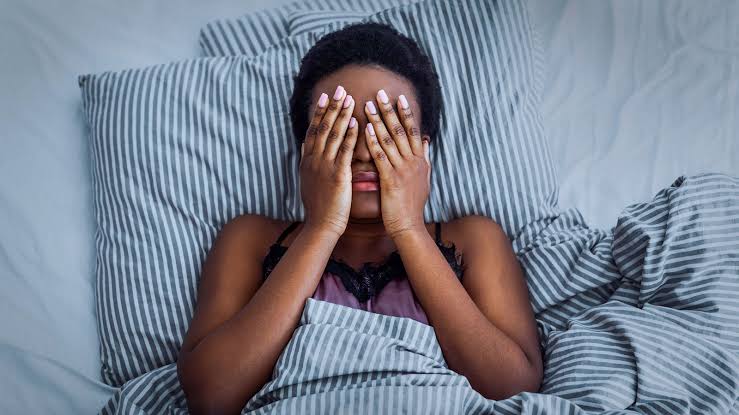
We spend roughly one-third of our lives asleep, making quality sleep an important part of maintaining good health and overall well-being. Yet inadequate or poor-quality sleep can have far-reaching consequences, affecting the body as well as cognitive and mental health.
Experts have linked insufficient sleep to physical problems such as excessive daytime sleepiness, fatigue and high blood pressure. It can also impair performance, attention, motivation and mental concentration, while reducing intellectual capacity and increasing the risk of accidents at work and on the road.
Poor sleep may also make it harder to think clearly, cope with stress, maintain a healthy immune system and regulate emotions.

Although individual sleep needs vary, health experts generally recommend that healthy adults get about seven to nine hours of sleep each night. Beyond its established effects on physical and mental health, research now suggests that insufficient sleep may also have implications for bone health, particularly among women.
A study involving more than 11,000 postmenopausal women has found an association between short sleep duration and lower bone mineral density (BMD), a measure of bone strength.
Researchers from the University at Buffalo, New York, analysed data from 11,084 postmenopausal women who participated in the Women’s Health Initiative. The study followed earlier research by the same team that found an association between shorter sleep and a greater likelihood of bone fractures among women.
“Our study suggests that sleep may negatively impact bone health, adding to the list of the negative health impacts of poor sleep,” said lead study author Heather M. Ochs-Balcom, Ph.D., associate professor of epidemiology and environmental health at the University at Buffalo School of Public Health and Health Professions.
She said the findings should also encourage people to aim for the recommended seven or more hours of sleep each night, noting that adequate sleep is important for both physical and mental health.
Short sleep linked to lower bone density
In the study, women who reported sleeping five hours or less per night had significantly lower bone mineral density than women who slept longer.
The researchers assessed BMD at four sites: the whole body, hip, femoral neck and spine. The differences recorded among women in the short-sleep group were comparable to the reduction in bone density that might be expected with approximately one additional year of age.
The association remained after the researchers accounted for a range of other factors that can influence bone health. These included age, race, menopausal status, smoking, alcohol consumption, body mass index, use of sleeping medication, physical activity and the type of bone-density scanner used.
The researchers said the findings carry an encouraging message because sleep is one aspect of health that people can potentially modify, alongside diet and physical activity.
“It’s really important to eat healthfully, and physical activity is important for bone health,” Ochs-Balcom said. “That’s the exciting part of this story — most of us have control over when we turn off the lights, when we put the phone down.”

How sleep could affect bones
Bones are living tissues that are constantly being renewed through a process known as bone remodelling. During this process, old bone tissue is broken down and replaced with new tissue.
According to Ochs-Balcom, one possible explanation for the study findings is that insufficient sleep could interfere with normal bone remodelling.
“If you are sleeping less, one possible explanation is that bone remodelling isn’t happening properly,” she explained.
Bone health becomes increasingly important with age. Osteoporosis, which literally refers to porous bone, develops when bone quality and density become significantly reduced – leaving bones weaker and more vulnerable to fractures.
The condition is particularly common among older adults, with older women facing a higher risk.
Bone strength and density generally reach their peak in the late 20s. As people age, however, bone resorption – the process by which old bone is broken down, gradually begins to outpace bone formation. In women, bone loss can accelerate during the first several years after menopause.
Osteoporosis and fracture risk
The International Osteoporosis Foundation estimates that worldwide, about one in three women and one in five men aged 50 and older are at risk of suffering a fracture related to osteoporosis.
The hip, wrist and spine are among the most common sites of osteoporotic fractures.
Spinal fractures can cause severe back pain, changes in the structure of the spine and loss of height. Hip fractures can be particularly serious because they may require surgery and can result in a loss of independence. They are also associated with an increased risk of death among older adults.
What the researchers found
The findings were published in the Journal of Bone and Mineral Research, where the researchers described short sleep duration as a public health concern and examined its relationship with bone mineral density and osteoporosis.
Using data from 11,084 postmenopausal women enrolled in the Women’s Health Initiative, the researchers conducted a cross-sectional analysis of participants’ usual sleep duration and sleep quality in relation to BMD at the whole body, total hip, femoral neck and spine.
They also examined whether sleep duration and sleep quality were associated with low bone mass and osteoporosis.
The researchers used statistical models to account for potential confounding factors and found that women reporting five hours or less of sleep had lower BMD measurements at all four assessed sites compared with women who slept longer.
While the study does not establish that insufficient sleep directly causes bone loss, the findings add to growing evidence that sleep is an important component of overall health.
For women approaching or beyond menopause, the message is particularly relevant: maintaining adequate sleep, alongside a balanced diet and regular physical activity, may form part of a broader approach to protecting bone health as they age.


 English