
By Deborah Bamisaye
Heyyy! I’m so glad you are back here! Let me ask you a question: ‘How many nutritional seeds have you added to your kitchen since this series started months back?’ Don’t bother, let me answer on your behalf: ‘I have added quite a number.’ Right? I believe I spoke your mind. Today, we are considering Psyllium seeds. Wait please, now pronounce it gently in such a way as not to lose one of your teeth. Let’s go again – Psyllium “SIL-ee-um.” Great! That was a good try! On a lighter note: ‘I hope your teeth are still intact.’
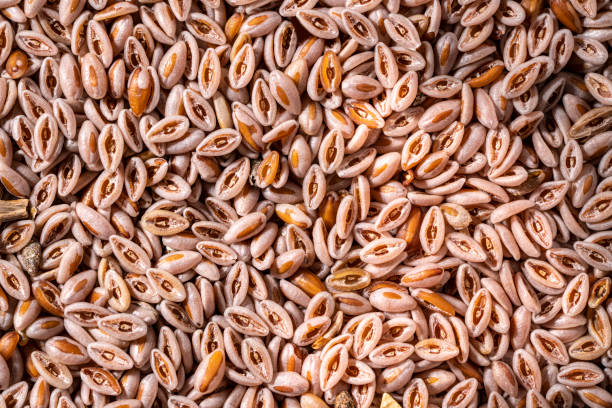
Now, what is psyllium seeds? Psyllium seeds are tiny seeds from its plant – Plantago ovata, a herb mainly grown in India. They’re best known for their husk (the outer covering), which is a powerful natural fiber often used to support digestion and overall health.
What Exactly is Psyllium?
Psyllium is a soluble fiber. When mixed with water, it forms a gel-like substance. This is what makes it so effective, it moves through your digestive system gently, carrying waste, toxins, and excess cholesterol along with it.
Health Benefits of Psyllium Seeds
1. Improves Digestion & Relieves Constipation
It softens stool and makes it easier to pass, very helpful if you struggle with irregular bowel movements.
2. Supports Gut Health
Acts as a prebiotic – feeding good gut bacteria and improving overall digestive balance. Prebiotics are food for the good bacteria already living in your gut.
3. Helps Control Blood Sugar
It slows down how quickly sugar is absorbed, which can help stabilize blood sugar levels.
4. Lowers Cholesterol
Regular use can reduce “bad” LDL cholesterol, supporting heart health.
5. Aids Weight Management
Because it expands in your stomach, it helps you feel full longer and reduces overeating.
6. Helps with Both Constipation and Diarrhea
It normalizes stool, absorbing excess water when needed or adding bulk when needed.
Nutritional Value (per 100g of Psyllium Husk)
Fiber: ~70–80g (very high!)
Carbohydrates: low digestible carbs
Fat: almost none
Protein: very small amount
Calories: low
The point is: Psyllium is mostly fiber, not a typical “nutrient-dense” food like fruits or vegetables.

Best Way to Prepare Psyllium (VERY important)
This is where many people get it wrong but, let’s teach you how.
The Correct Method is:
a. Mix 1–2 teaspoons in a full glass of water (250–300 ml.)
b. Stir quickly and drink immediately (before it thickens too much.)
c. Drink another glass of water after.
When to Take It:
i. Morning (for digestion)
ii. Before meals (for appetite control)
iii. At night (for constipation)
Caution Please:
1. Never take it dry (it can swell in your throat and cause choking)
2. Always drink plenty of water
3. Start with small amounts to avoid bloating
Other Ways to Use It
You can mix psyllium into: Pap (ogi); Smoothies; Yogurt; Oatmeal. Just ensure there’s enough liquid.
Now, is Psyllium Available in Nigeria?
Yes, though it may not be as common as local fibers. You can find it in health stores and pharmacies, Online (Jumia, Konga, etc.) Under names like: Isabgol, Psyllium husk powder or Fiber supplements.

Who Should Use It (and who should be careful)?
It’s Good for:
a. People with constipation or irregular digestion.
b. Those trying to manage weight.
c. People with high cholesterol or blood sugar concerns.
Be Cautious If:
a. You have swallowing problems
b. You’re taking medications (it can affect absorption – take it 2 hours apart)
c. You have certain gut conditions (consult a doctor first)
Nigerian Experts and What Their Views Imply about Psyllium:
Folasade Akinwumi
A Nigerian food scientist and gut-health advocate (featured in Nigerian media.) Her position in form of a paraphrased insight is that: Traditional foods like bitter leaf, ginger, and fermented foods help restore gut balance, reduce inflammation, and improve digestion. What this means for psyllium is that: Psyllium works mainly as a gut-supporting fiber (prebiotic.)
Dr. Chinonso Egemba
One of Nigeria’s most well-known medical educators consistently teaches that: Many Nigerians don’t get enough fiber. Fiber helps with: Constipation; Gut health, Disease prevention. So, what does this mean for psyllium?:
Psyllium is basically a concentrated fiber source. His advice indirectly supports its use, especially for people who: Don’t eat enough vegetables or those with digestive issues.
What Medical Literature (Used by Doctors Globally) Says:
Even though Nigerian-specific quotes are limited, doctors worldwide agree that it: Relieves constipation; Helps diarrhea; Lowers cholesterol; Controls blood sugar; Supports gut bacteria.
Take Note:
Psyllium is not a “quick fix.” It works best when combined with: A balanced diet; Enough water and Regular movement.
Think of it as a support system for your gut, not the main solution.
It is therefore safe to say that:
Fiber is essential, Gut health is central to overall health. Natural foods should come first and Psyllium fits in as a good support tool, although not a replacement for a healthy diet. Generally, if doctors were to summarize it, it would sound like this: “If you’re eating enough vegetables, fruits, and local fiber-rich foods, you may not need psyllium. But if your diet is lacking or you have digestive issues, psyllium can help.” Seeking another pathway to lasting health? Psyllium can help.
Get it! Take it! Love it!



 English