

By Morgan Nwanguma
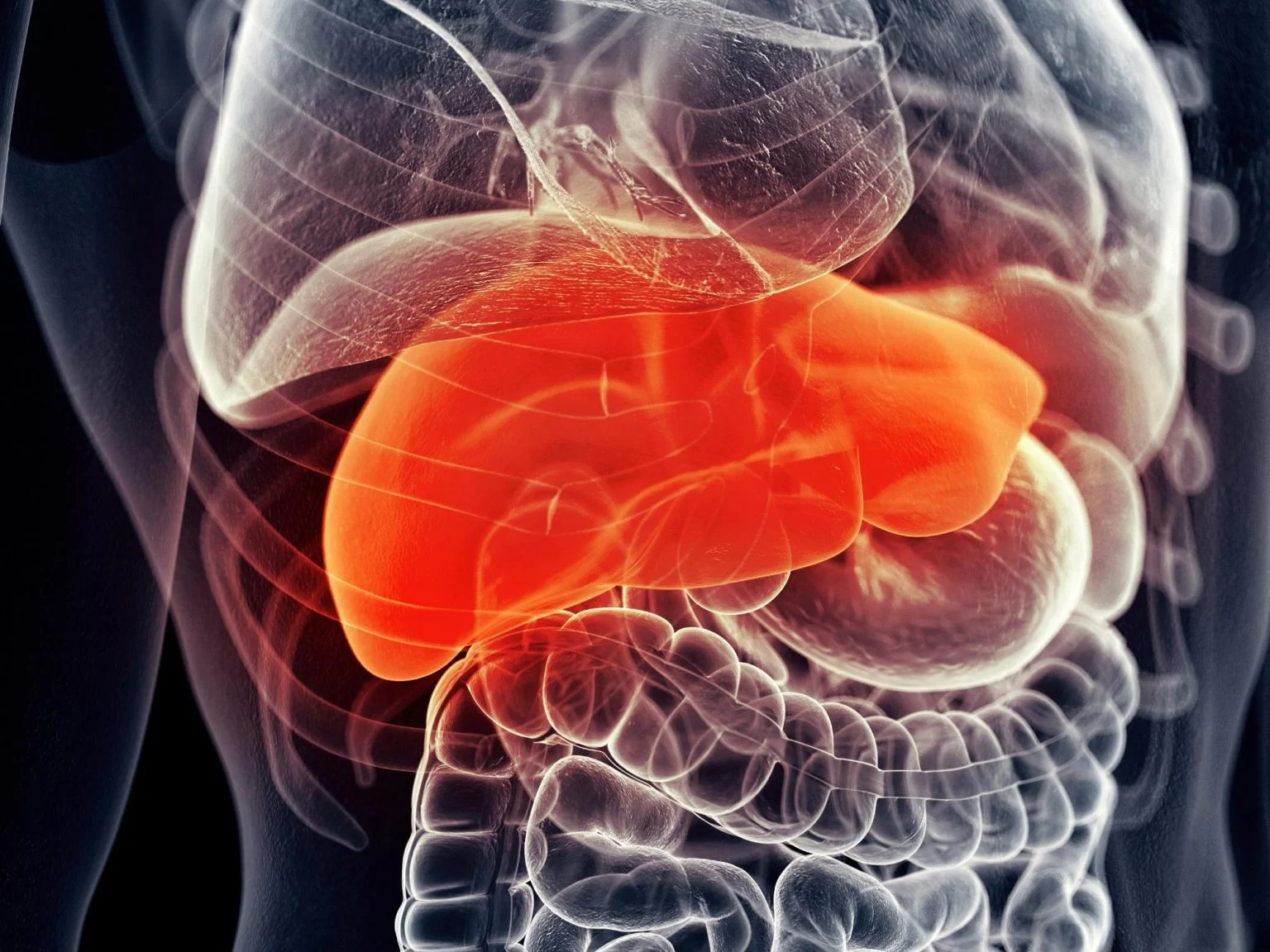
Two already-approved drugs may work together to combat fatty liver disease and reduce the deadly cardiovascular risks that often come with it.
Scientists have found that combining two existing medications can sharply reduce liver fat associated with metabolic dysfunction-associated steatotic liver disease (MASLD), a condition that has become the world’s most common liver disorder. In animal studies, the drug combination not only improved liver health but also showed promise in lowering heart-related complications linked to the disease.
Researchers also discovered that lower doses of the two drugs used together were just as effective as higher doses given separately, raising hopes for a treatment strategy that could minimize side effects while maintaining strong benefits. Although the findings are encouraging, the approach still needs to be tested in human clinical trials.
MASLD, formerly known as fatty liver disease, affects roughly one in three adults worldwide. The condition occurs when excess fat accumulates in liver cells, potentially leading to inflammation, scarring, liver failure, and a significantly higher risk of cardiovascular disease.
The new study, led by Marta Alegret of the University of Barcelona’s Faculty of Pharmacy and Food Sciences, explored the effects of pemafibrate and telmisartan in experimental models of MASLD. The research involved scientists from several major institutions, including the Institute of Biomedicine of the University of Barcelona (IBUB), the CIBER Area for Physiopathology of Obesity and Nutrition (CIBEROBN), and Uppsala University.
The results suggest that repurposing already-approved drugs could offer a faster and potentially safer path toward treating MASLD, especially since many experimental therapies have struggled in clinical trials because of safety concerns.
Why Repurposing Existing Drugs Could Be Key
Many experimental treatments for MASLD have failed to advance through clinical testing, often because of adverse side effects. That challenge has driven growing interest in drug repurposing – the practice of using medications already approved for other diseases.
Because these drugs have already undergone extensive safety evaluations, repurposing them may provide a quicker, more cost-effective route to treatment development. This could be particularly valuable for people in the early stages of MASLD, when symptoms are often absent and the disease can silently progress for years.
“We have focused on these phases with the aim of preventing the disease from progressing to more severe stages. But for a drug to be used in these early stages, it must have a good safety profile in humans,” explains Marta Alegret. “That is why we have studied drugs already on the market for other pathologies, which have been shown to be very safe and could have a potential benefit in the treatment of MASLD,” she adds.
The researchers evaluated two cardiovascular drugs: pemafibrate, which lowers lipid levels, and telmisartan, a widely used blood pressure medication. While pemafibrate is currently approved only in Japan, telmisartan is commonly prescribed around the world.
“Mortality from cardiovascular causes is significant in patients with MASLD, and often these patients also have these two risk factors together,” Alegret stresses.

Animal Studies Show Powerful Benefits
To investigate how the treatment works, scientists tested the drugs in both rats and zebrafish larvae. Zebrafish are increasingly used in liver disease research because their liver function and metabolism closely resemble those of humans, while also enabling quicker and more cost-effective experiments.
The findings were impressive. The combination of pemafibrate and telmisartan significantly reversed fat accumulation in the liver caused by a high-fat, high-fructose diet. In rat models, researchers found that combining half doses of both medications produced results comparable to those achieved with a full dose of either drug on its own.
“Combination therapy with drugs acting on different pathogenic pathways may be a better strategy than monotherapy, thanks to possible synergistic effects and reduced toxicity related to the use of lower doses of each drug,” Alegret noted.
Further than enhancing liver health, the treatment may as well lessen blood pressure and cholesterol levels. “It lowers blood pressure and cholesterol levels, and all this would result in a lower cardiovascular risk,” she stresses.
How the Drugs Target Different Pathways
The researchers also found that the two medications work through distinct biological mechanisms. For the first time, the study identified a key role for the PCK1 protein in the way telmisartan helps reduce fat buildup in the liver.
“Telmisartan is a drug that has been used in other models of MASLD, but mostly in more advanced stages of the disease, and its beneficial effects have been attributed mainly to anti-inflammatory and anti-fibrotic effects. But in the early stages of the disease there is no inflammation or fibrosis yet, only lipid accumulation,” explains the scientist.
In animals with MASLD, liver levels of the PCK1 protein were abnormally low. Treatment with telmisartan restored those levels, altering the way the liver metabolized nutrients.
“This increase in PCK1 diverts the flux of metabolites from lipid synthesis to glucose synthesis. This increase in glucose production could be negative if the glucose were exported and accumulated in the blood, as it could lead to diabetes, but we have noticed that this is not the case,” says the UB professor.
Promising Findings, but Research Remains Early
While the results are encouraging, the research is still in its early stages. The current findings are based on animal studies, and further research will be required before the treatment can move into human testing.
“In order to be translated into a treatment for MASLD patients, clinical studies would be needed to show that the benefits observed in animal models also occur in humans,” says Alegret.
The researchers are now investigating whether the same drug combination can be effective in more advanced forms of the disease, especially in cases involving liver fibrosis. They are also creating new experimental models that combine liver disease with cardiovascular disorders to determine whether the treatment’s benefits extend beyond the liver.
“In addition, we will develop a dual model involving liver fibrosis and cardiovascular disease to see if the beneficial action is observed not only in the liver, but also in the reduction of atherosclerosis,” he concludes.

Fresh hints in combatting Antibiotic Resistance
Leader of the study team, Dr. Emma Banks, a Royal Commission for the Exhibition of 1851 Research Fellow, said: “What’s particularly interesting is that LypABC looks like an immune system, yet bacteria are using it to release GTA particles. It suggests that immune systems can be repurposed to help bacteria share DNA with each other – a process that can contribute to the spread of antibiotic resistance.”
The next challenge for researchers is to determine how the LypABC system is switched on and how it orchestrates the rupture of bacterial cells to release GTA particles.
The findings provide important new insight into how bacteria exchange genes – including those responsible for antimicrobial resistance (AMR), one of the world’s most pressing public health threats.
The discovery emerged from research at the John Innes Centre, where scientists investigated unusual particles known as gene transfer agents (GTAs).
GTAs resemble bacteriophages – viruses that infect bacteria but are actually remnants of ancient viruses that bacteria have repurposed for their own benefit. Controlled by the bacterial host, these particles act like molecular delivery systems, packaging pieces of bacterial DNA and transferring them to neighbouring cells.
This process, known as horizontal gene transfer, enables bacteria to rapidly share useful traits, including genes that provide resistance to antibiotic treatments.
A key stage in the GTA lifecycle is host cell lysis, the breakdown of a bacterial cell that releases DNA-filled GTA particles. Until now, scientists did not fully understand how these particles escaped from their host cells.
In the study, published in Nature Microbiology, researchers used a deep sequencing-based screening technique to identify genes essential for GTA activity in the model bacterium Caulobacter crescentus.
The team identified a three-gene regulatory hub known as LypABC, which produces bacterial proteins involved in the lysis process. When the lypABC genes were removed, the bacteria lost the ability to rupture and release GTA particles. Conversely, increasing the activity of the LypABC system caused a large proportion of bacterial cells to burst open.
Together, the experiments revealed that LypABC acts as a crucial control mechanism for GTA-driven cell lysis.

 English