

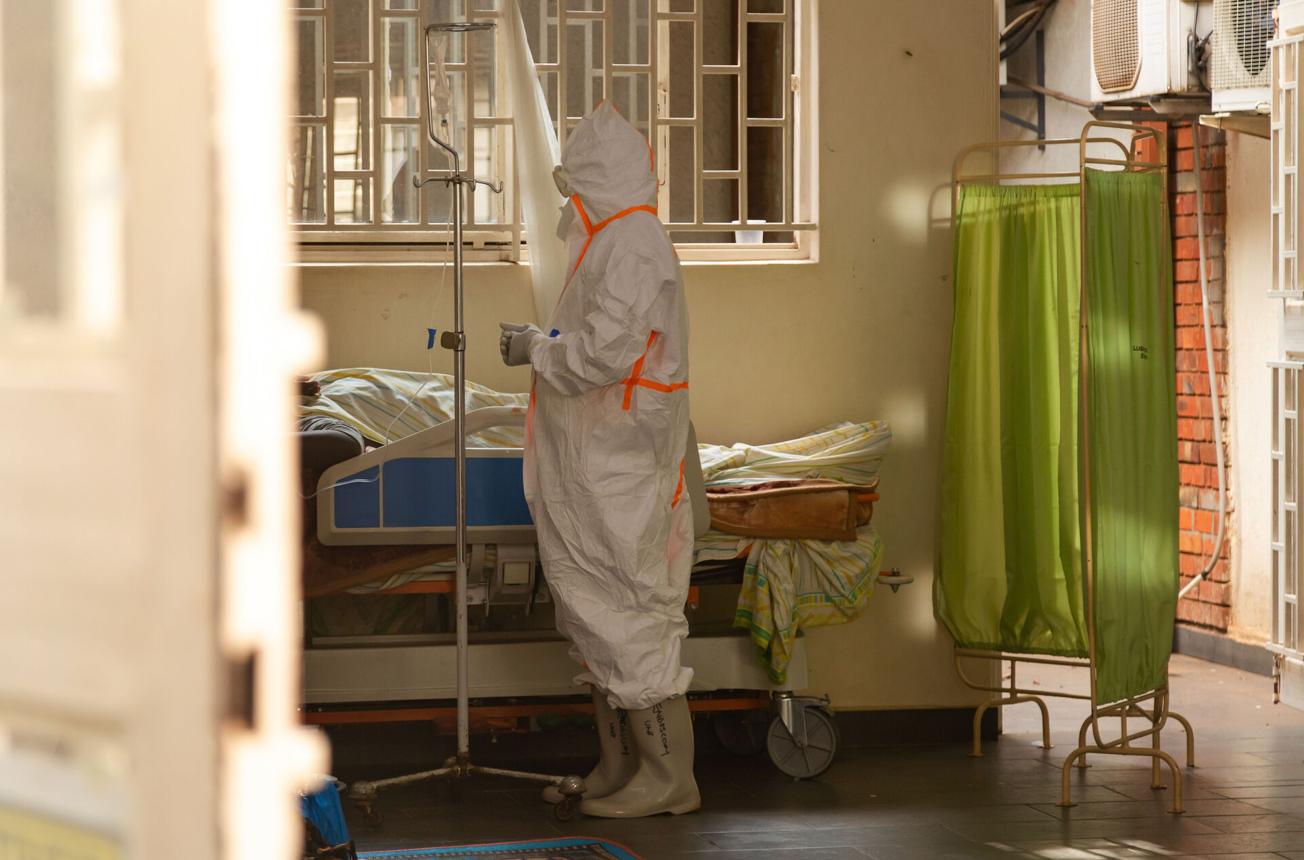
The Nigeria Centre for Disease Control and Prevention (NCDC) has provided an update on the Ebola health alert in Adamawa State after laboratory tests confirmed that two suspected cases were negative for the virus. The development followed the activation of public health response measures in Yola after two individuals presented symptoms that raised concerns about possible Ebola Virus Disease (EVD).
In a statement issued on October 31, 2026, the NCDC Director-General, Dr Jide Idris, explained that the Adamawa State Public Health Emergency Operations Centre received the report in the early hours of October 30.
Following the report, health authorities isolated the two individuals and collected samples for laboratory investigation. Both samples subsequently tested negative for Ebola after two rounds of testing.
The agency clarified that there is currently no laboratory-confirmed Ebola case in Adamawa State. However, Nigeria’s previously confirmed imported case in the Federal Capital Territory remains the country’s only confirmed case.
NCDC Urges Vigilance Despite Negative Test Results
Although the suspected cases tested negative, the NCDC emphasised the importance of maintaining disease surveillance and strengthening public health preparedness.
The agency advised Nigerians to seek immediate medical attention if they develop symptoms associated with Ebola, particularly after possible exposure to an infected person.
These symptoms may include fever, severe weakness, headache, muscle pain, vomiting, diarrhoea and unexplained bleeding. However, experiencing these symptoms does not automatically mean someone has Ebola, as other illnesses can cause similar signs.
The NCDC also urged individuals to provide healthcare workers with accurate travel and contact histories to support proper assessment and diagnosis.
It warned against self-medication and the spread of unverified information, encouraging Nigerians to obtain updates from official public health channels.
The agency commended the Adamawa State Ministry of Health and its response team for their prompt intervention, adding that it would continue to provide technical support and monitor the situation alongside state authorities.
The latest Ebola update in Adamawa highlights the importance of early reporting, laboratory confirmation and coordinated disease surveillance in preventing potential public health threats.


 English