
The outbreak of the deadly Bundibugyo species of Ebola in the eastern Democratic Republic of the Congo (DRC) is expanding, while the push to accelerate testing and identify effective treatment options continues, the UN World Health Organization (WHO) said recently.
The outbreak’s “true scale has not yet been fully established,” said Dr. Anne Ancia, WHO’s representative to the DRC. “We would like to say it is stabilising, but frankly, we cannot say it yet”, she said.
Speaking from Bunia, the capital of Ituri province at the heart of the outbreak, Dr. Ancia told reporters in Geneva that as of 4 July, the country’s Government has recorded 1,561 confirmed cases, including 506 deaths and 254 people recovered. More than 10,000 contacts are being monitored.
Centres at ‘saturation point’
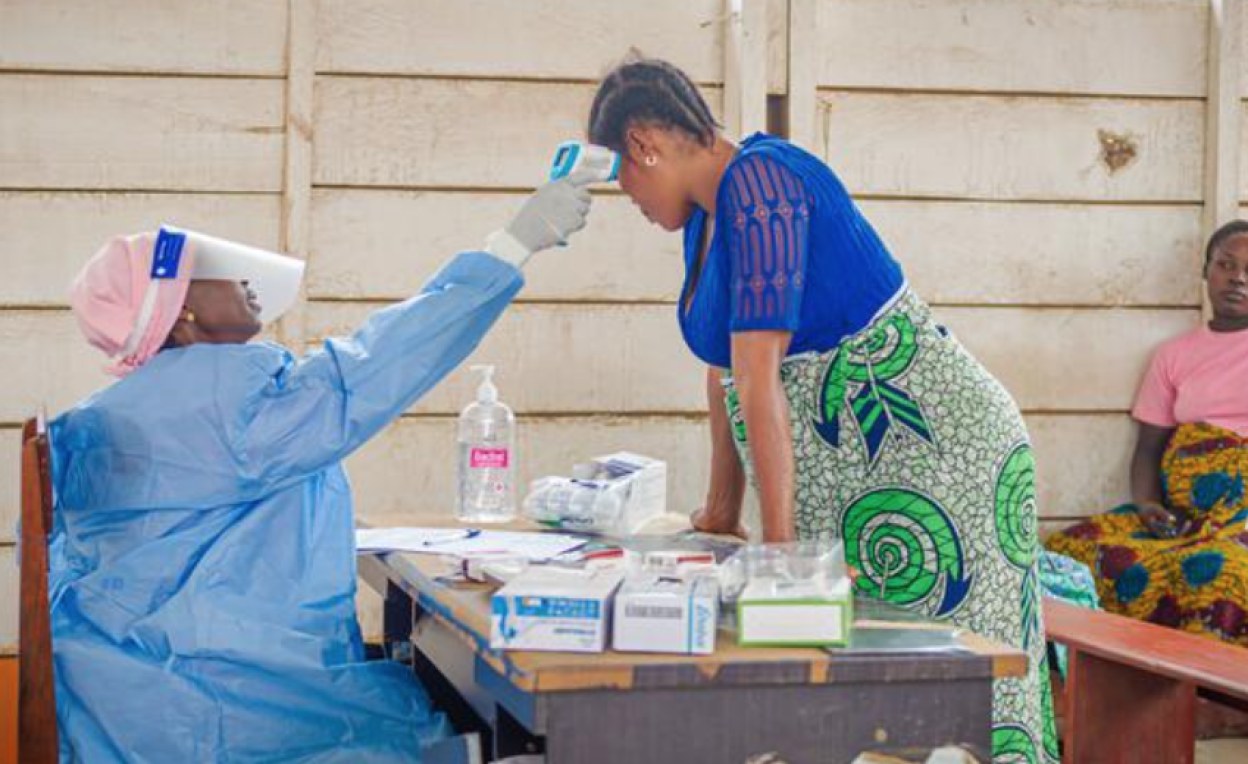
In support of the government-led response, WHO is strengthening its understanding of the history of every case of infection “so that we can really understand the chain of transmission” and isolate every contact case, Dr. Ancia said.
Pointing to the challenges, the WHO representative said treatment centres are “at saturation point”. “I visited treatment centres in and around Bunia, Beni, Butembo, Katwa, and I met frontline workers responsible for patient care, contact tracing, investigating alerts and sensitising and mobilising communities,” she said, commending the responders. “I witnessed firsthand the dedication of staff who continue to serve their communities despite enormous challenges.”
All needs cannot be met
The current outbreak was declared on 15 May and has been unfolding in areas marked by active conflict, displacement and overstretched health services. “Today, we do not have enough ambulances,” Dr. Ancia said, warning that all the needs in Ituri province cannot be met.
Positive gains amid challenges
Encouraging developments include the progress made on testing, as daily capacity has increased from 30 tests in Kinshasa to more than 2,000, “thanks to 10 decentralised laboratories established in the affected provinces”, the WHO representative explained, with the most recent lab opening in Bunia.

 English