

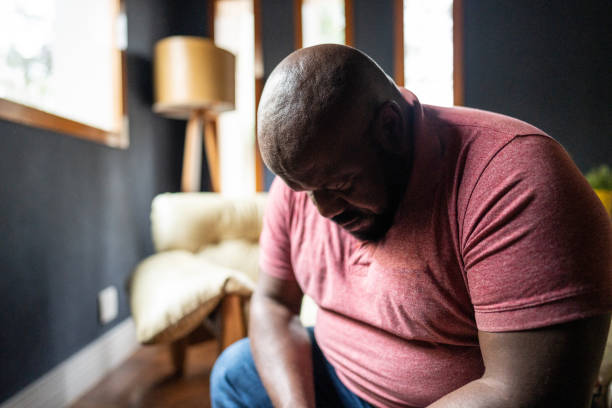
By Deborah Bamisaye
Although men do not menstruate, and so do not need to stop menstruating, but do you know they have their own version of the menopause that occurs in females? It bears a name that carries the same ‘…Pause.’ So, it may be right for all women to say that, ‘Nature is Fair!’ This also calls for understanding between husband and wife, especially aging ones. I believe no man wants a woman like Mr. Chukwudi’s Wife:
“In Dr. Nweke’s Lagos clinic, Chukwudi staggers in, sweat-soaked shirt clinging, collapsing into the chair with a heavy sigh. Looking straight into the Doctor’s eyes, as though he has found a messiah, he narrated:
Chukwudi: Doctor, my home is not settled! There is chaos within me, I’m falling apart! Hot flashes strike without warning – night sweats leave my bed drenched. No energy left; stairs exhaust me. My moods swing wildly: snapping at the children over nothing, then inexplicable tears during quiet moments. My wife whispers I’ve become a stranger, I can’t even satisfy her.
Dr. Nweke: (eyes narrowing sympathetically) Steady, Chukwudi. These could signal andropause – testosterone decline in men past 40. Fatigue, irritability, vanishing libido, erection difficulties are hallmarks.
Chukwudi: Is that so!!! Andropause? What’s that?
Dr. Nweke: It’s men’s version of menopause.
Chukwudi: Really? Hmmm! I noticed my… man power is gone, no interest in bed. My wife murmurs about these things – my lack of agility like before. She says I’m gradually becoming a shadow of myself.
Dr. Nweke: If Blood tests confirm it, then, you’ll need to play your part – taking your drugs, start exercising, getting zinc-rich diet, better sleep – hormone therapy if needed. You’ll reclaim your strength.
Chukwudi: (gripping the desk) this is a path forward; finally, I have hope. Thank you Doc.! So, how do we start? What’s next?
Dr. Nweke: You will be running some tests. Let me write them out, just a minute please…”

What is Andropause?
Andropause, also known as male menopause or late-onset hypogonadism, refers to a gradual decline in testosterone levels in aging men, typically starting after age 40 or 50, leading to various physical, sexual, and emotional symptoms. Unlike menopause in women, which involve a sharp hormonal drop, andropause progresses slowly and affects all men but not equally. Diagnosis requires symptoms like reduced libido or erectile dysfunction plus confirmed low testosterone via blood tests, after ruling out other causes such as depression or medications.
What Affected Men Experience:
1. Sexual Symptoms
a. Decreased sex drive and sexual activity.
b. Erectile dysfunction or weaker erections.
c. Infertility in some cases.
2. Physical Symptoms
a. Fatigue, low energy, and insomnia.
b. Loss of muscle strength and body hair.
c. Weight gain, hot flashes, and reduced bone density.
3. Psychological Symptoms
a. Irritability, anxiety, or depression.
b. Difficulty concentrating and low motivation.
Nigerian doctors experienced in hypogonadism (closely related to andropause) include endocrinologists and specialists like Rosemary Ikem, Babatope Kolawole, Olufemi Fasanmade, A Ogbera, Adaiah Harry-Soibi, Ejiofor Ugwu, and Dorcas Serwaa, who treat symptoms such as low testosterone through expertise in diabetes, obesity, and hormone imbalances often overlapping with andropause. Urologists like Dr. Celsus Ukelina Undie and Dr. Leye Ajayi manage andropause-related issues including prostate health, erectile dysfunction, and minimally invasive treatments for urinary symptoms in aging men. They emphasize comprehensive evaluation of symptoms like fatigue and low libido alongside blood tests for testosterone before interventions.

Treatment Perspectives
These specialists focus on lifestyle modifications, hormone assessment, and targeted therapies rather than solely testosterone replacement, given risks like cardiovascular concerns prevalent in Nigerian populations with high diabetes rates.
A Letter:
Dear aging men, if what is happening to you seem to be wearing a mask of chaos, bringing confusion and questions in your mind, it could be ‘andropause.’ Finding out from the doctor may prove it is or it may prove otherwise. This will help make treatment for whatever it is to commence immediately. You sure would love to know more. Wouldn’t you?
Keep reading PharmaTimes and stay in the ‘know.’
I can’t wait to have you back for more information and helpful tips.
Peace, out!



 English