

By Evans Matthews
Childhood asthma and allergies are among the most common chronic conditions affecting children worldwide. Millions of children struggle daily with sneezing, wheezing, itching, and breathing difficulties – often triggered by everyday environmental factors. According to the World Allergy Organization, asthma affects an estimated 14% of children globally, making it one of the leading causes of school absenteeism, emergency visits, and hospital admissions.
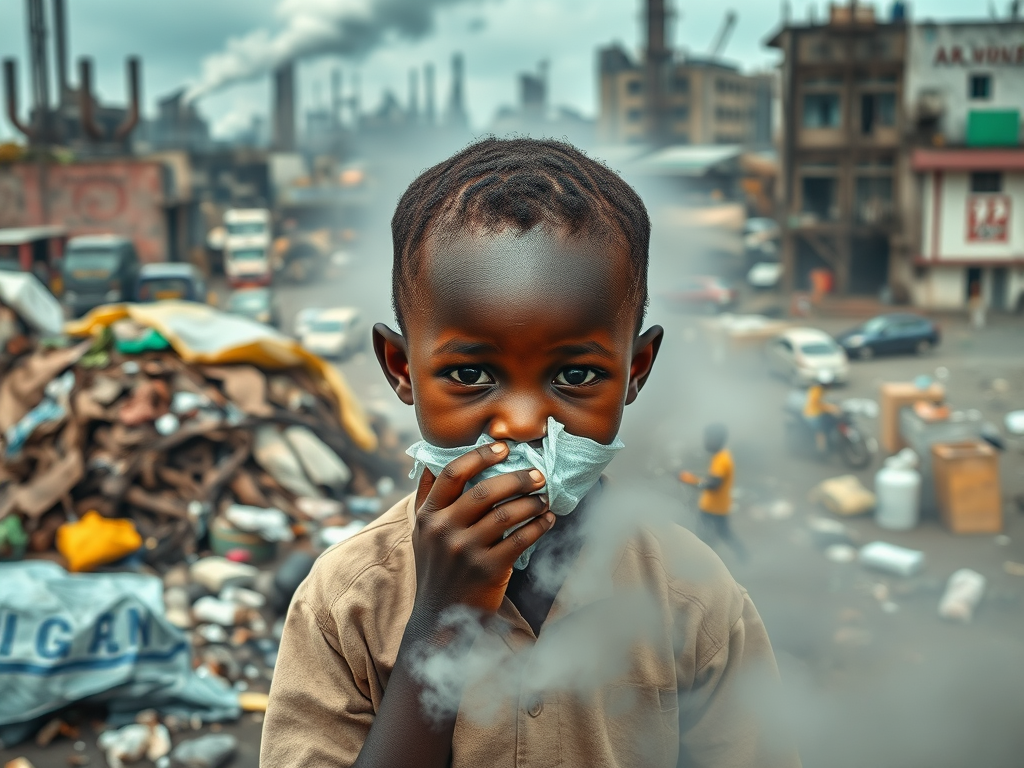
In recent years, the number of children diagnosed with asthma and allergies has continued to rise. Specialists link this increase to urban pollution, climate change, lifestyle changes, and genetic predispositions. In cities like Lagos, Nairobi, and New Delhi, poor air quality significantly worsens symptoms for young children whose lungs are still developing.
Understanding Childhood Asthma
Asthma is a chronic condition that causes inflammation and narrowing of the airways, making it difficult for children to breathe. Symptoms include persistent coughing, wheezing, chest tightness, and shortness of breath.
Dr. Aisha Bakare, a pediatric pulmonologist in Abuja, explains, “Asthma in children is often under diagnosed or mistaken for a recurrent chest infection. Early diagnosis is crucial because timely management helps children live completely normal lives.”
She adds that asthma triggers vary widely – from dust, smoke, and strong scents to exercise, cold air, and emotional stress. “Parents should monitor what causes flare-ups. Once patterns are identified, the child’s environment can be adjusted to reduce attacks,” she says.

Childhood Allergies: More than Just Sneezing
Allergies occur when the immune system reacts aggressively to harmless substances such as pollen, food, dust mites, or pets. Common childhood allergies include:
· Food allergies (e.g., peanuts, milk, eggs, seafood)
· Environmental allergies (pollen, dust, mold)
· Skin allergies (eczema, hives)
· Insect allergies (bee or ant stings)
Dr. Leonard Chukwu, an allergist based in Johannesburg, notes, “Many parents don’t realize that allergies can manifest as skin rashes, stomach upset or persistent cough. Not every allergy shows up as sneezing or itching.” He emphasizes the importance of allergy testing for children with recurrent symptoms. “One test can provide answers that save years of discomfort.”
The Link between Asthma and Allergies
A significant number of children with asthma also suffer from allergies. This is known as allergic asthma, where allergic reactions trigger asthma symptoms. Exposure to allergens like dust, mold, or pet dander can quickly lead to coughing and difficulty breathing.
“When allergies are untreated, asthma becomes harder to control,” says Dr. Bakare. “Managing both conditions together is the key to reducing hospital visits and sleepless nights.”

Prevention and Management
Experts agree that with proper management, children with asthma and allergies can thrive.
1. Reduce exposure to triggers.
Parents are advised to keep homes dust-free, avoid smoking indoors, wash bedding regularly, and minimize exposure to pets if necessary.
2. Medication adherence.
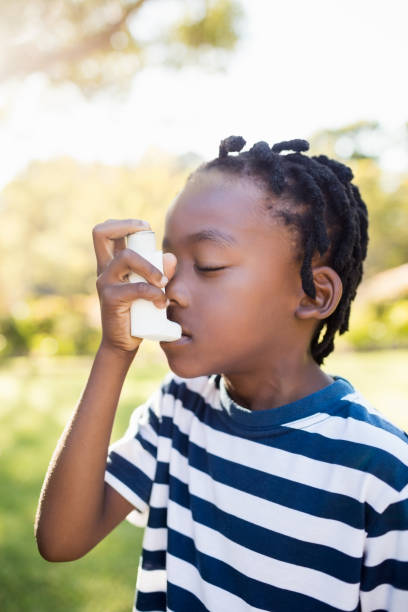
Asthma medications such as inhalers help keep airways open. “Parents must understand that inhalers are safe,” Dr. Bakare stresses. “Using them early prevents severe attacks.”
3. Balanced nutrition and hydration.
A strong immune system helps reduce allergic reactions, making a healthy diet essential.
4. Regular follow-up with specialists.
Children with persistent symptoms should not rely solely on over-the-counter remedies.
5. Emergency action plans.
Schools and caregivers must know what to do if the child experiences an asthma attack or allergic reaction.
A Hopeful Future
Though asthma and allergies can be lifelong conditions, children today have better tools and knowledge for managing them than ever before. As Dr. Chukwu concludes, “Childhood asthma and allergies are not a sentence; they’re simply conditions that require awareness, care, and consistent support.”
With early detection, proper management, and supportive environments, every child can breathe easier and live a vibrant, healthy life.

 English