
*Published in Journal of Archives in Military Medicine: e84749
Author: Soheil Mehrdadi
Department of Pharmaceutical and Pharmacological Sciences, University of Padova, Padua, Italy
* Corresponding Author: Via Belzoni, 160, Padua, Italy
Background
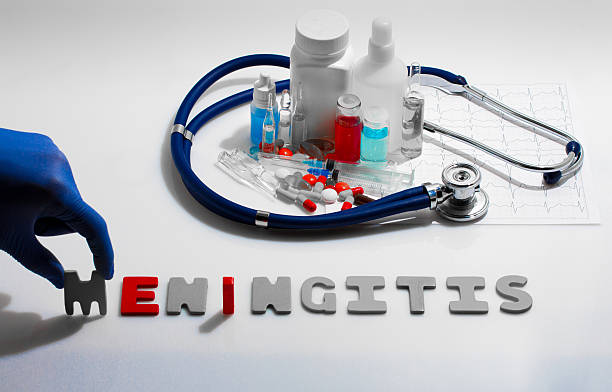
Despite great progress in developing broad-spectrum antibiotic therapy and health care, central nervous system infectious diseases, such as acute bacterial meningitis (ABM), are still considered life-threatening, especially in developing countries with 500 000 deaths annually.
Bacterial meningitis is recognized as one of the reasons for mortality and morbidity in the world. However, mortality and morbidity rate can be influenced by age, geographical area, and to a great extent causative agents. Newborns and infants are at highest risk among patients (especially in poor-developed countries). In developed countries, bacterial meningitis is an infrequent illness, while in undeveloped nations it is considered as a major infection.

Different factors contribute to the fatality rate of ABM, including severity of disease upon presentation, antibiotics resistance to causative agents, and inadequate knowledge of the disease. All the suspected cases are medical emergencies, thereby, necessary actions must be immediately done for definite diagnosis and empirical antimicrobial regiment. Even if the most proper treatment is applied, mortality and morbidity might still exceed 95% of cases. There are common neurological sequelae in survivors (mostly in newborns and infants), especially after pneumococcal meningitis. During the recent years and with the profuse application of vaccines, a significant decline in incidence was shown.
For the diagnosis of ABM, typical clinical symptoms along with laboratory tests of cerebrospinal fluid (CSF) (Gram’s stain, culture, antigen assay and molecular detection) for detecting the most common causative agents can be employed.
Meningitis is classified as an infectious and non-infectious disease. Some drugs, including non-steroidal anti-inflammatory drugs, immunoglobulins, antibiotics and diseases like sarcoidosis and neoplastic meningitis are involved in the development of noninfectious meningitis. Infectious meningitis is categorized as non-bacterial and bacterial (pyogenic) meningitis. Viral, fungal, tuberculous, recurrent and nosocomial infections are all classified as non-bacterial meningitis. Significant changes in CSF polymorph nuclear are pathognomonic for bacterial meningitis.
As mentioned before, according to geographical area, the prevalence and etiology of ABM can differ. Nevertheless, ABM is still recognized as a public health risk with high morbidity and mortality rate, which in case of outbreak, could cause a serious economic problem for health care organizations.

Management
Intensive and proper care must be considered for individuals that are suspected of meningitis. Due to high transmissibility, meningitis must be diagnosed on time and appropriately and considering the therapeutics established: Antibiotics, adjunctive and supportive therapy as well as prophylaxis and vaccination for prevention. Outpatient antimicrobial therapy in bacterial meningitis patients is based on inpatient antimicrobial therapy for ≥ 6 days, absence of fever for at least 24 to 48 hours prior to initiation of outpatient therapy, no significant neurologic dysfunction, focal findings or seizure activity, clinical stability or improving condition, ability to take fluids by mouth, access to home health nursing for antimicrobial administration, reliable intravenous line and infusion device (if needed), daily availability of a physician, established plan for physician visits, nurse visits, laboratory monitoring and emergencies, patient and/or family compliance with the program and safe environment with access to a telephone, utilities, food, and refrigerator.

Antimicrobial Therapy
Normally, factors such as age, clinical setting, immune status, CSF’s sensitivity, culture, bacterial count, Gram stain, and agent’s blood isolation can influence the choice of antibiotics. Antibiotics must be chosen wisely based on information yet therapeutic plans must be followed while waiting for laboratory test results. The duration of antibiotic treatment depending on isolated pathogen takes ≥ 21 days. After the identification of causative microorganism through in-vitro assays, the therapeutic plan could be modified accordingly. The BBB characteristics and the physicochemical features of antibiotics (logP and pKa) have a direct influence on sufficient CSF penetration.
Adjunctive Treatment
Similar to all severe cases of infectious diseases, proper actions regarding physiological support must be taken until improvement by definitive therapy is achieved. Fluid therapy and oxygenation must be applied and adjusted according to patient status. However, regarding over-hydration, the patient must be controlled carefully since it can increase intracranial pressure and the possibility of cerebral edema. If symptom relief is noticed after 24 to 48 hours, fluid therapy should be withdrawn, however, serum electrolytes must be monitored constantly.
Dexamethasone (inhibition of sensorineural hearing loss for H. influenzae and pneumococcal meningitis) and antibiotics can be administered contemporaneously. Nevertheless, it is recommended for children older than two months of age, considering advantages and potential dangers when bacterial meningitis’ results are positive based on CSF analysis, Gram stain or agglutination assay. Steroid therapy must be initiated after diagnosis or contemporaneously with antibiotic therapy commencement.
The guidelines suggest the simultaneous administration of dexamethasone and antibiotic therapy in suspicious pneumococcal meningitis cases. Dexamethasone should be administered 10 to 20 minutes prior or concomitantly with the first dose of an antibiotic. For children, a dose of dexamethasone 0.6 mg/kg/day IV divided into four doses is recommended for four days while 10 mg IV every six hours is recommended for adults.

Prophylaxis
Chemoprophylaxis
Individuals in close contact, including health care professionals or military personnel are considered at highest risk of infection (especially for H. influenzae and N. meningitides). However, S. pneumoniae are normally less contagious via direct routes. Administration of Rifampin for two days (10 mg/kg every 12 hours for children older than one month or 600 mg every 12 hours for adults) has been found effective. As alternatives, ciprofloxacin (single dose 500 to 750 mg) or ceftriaxone (single dose 125 mg in children or 250 mg in adults IM) can be administered as well.

Vaccines
There are currently two vaccines, which are administered against S. pneumoniae and H. influenzae, the most common causative agents. Furthermore, H. influenzae vaccine is produced as a single antigen conjugate vaccine.
There are two pneumococcal vaccines as conjugate vaccine (PCV) [7-valent, 10-valent and 13-valent, seven serotypes: 4, 6B, 9V, 18C, 19F and 23F, conjugated to a carrier protein] and polysaccharide vaccine (PPSV) [23-valent].
For infants and children under five years old, PCV is administered. Almost 82% cases of pneumococcal meningitis are introduced with the above-mentioned serotypes and after the introduction of the PCV, it decreased by 79%. However, some serotypes were found to be responsible for the increased incidence of infections (e.g.19A) and the 10-valent and 13-valent pneumococcal conjugate vaccines were removed from the market.
In 2009, a 10-valent PCV (serotypes 1, 5 and 7F and all serotypes of PCV-7) was approved in Europe for marketing. In 2010, the 13-valent (three serotypes: 3, 6A and 19A) was introduced, which is responsible for 63% pneumococcal cases in children younger than five years old with chronic lung disease, diabetes or heart disease.
Nevertheless, there are also some disadvantages with the administration of PPSV23, namely insufficient induction of immunologic memory and effect on nasopharyngeal carriage. The PPSV23 is recommended for children more than two years old with underlying medical conditions after completing all recommended doses of PCV13. Children with anatomic or functional asplenia must receive a poster dose of PPSV23 five years after the first dose. In elderly, it is advisable to receive PPSV23 only if they do not receive pneumococcal vaccination at least in the last five years. Patients with chronic pulmonary or cardiovascular diseases, diabetes and/or immunodeficiency, and smokers should be considered for the PPSV23 vaccine.
Meningococcal vaccines are active against many strains of N. meningitides. Immunization against meningococcal is not warranted as post exposure prophylaxis unless the strain is documented to have a capsular serotype represented in the vaccines (type A, B, C, Y or W-135). A marked reduction in H. influenzae meningitis has been associated with the use of H. influenzae vaccine directed against the type b capsular polysaccharide of this organism in children in developed countries since 1987.

 English