

Latest Bacterial Treatment Obliterates Cancer Devoid Of The Immune System
By Morgan Nwanguma
This breakthrough—more than 150 years in the making since the earliest attempts at bacterial cancer therapy—could mark the beginning of a new era in safe, immune-independent cancer treatment.
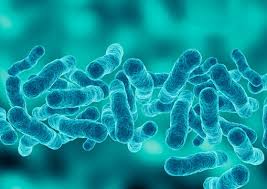
A Japanese-led research team has developed AUN, a pioneering bacterial therapy that eradicates tumors without relying on the immune system. By harnessing the natural synergy between two bacteria, Proteus mirabilis and Rhodopseudomonas palustris, AUN selectively attacks cancer cells, reshapes itself within tumors, and avoids dangerous complications such as cytokine release syndrome (CRS).
Led by Professor Eijiro Miyako at the Japan Advanced Institute of Science and Technology (JAIST), in collaboration with Daiichi Sankyo Co., Ltd. and the University of Tsukuba, the team created this innovative treatment rooted in a unique microbial partnership. AUN represents a new class of immune-independent bacterial oncology.

The idea of treating cancer with bacteria dates back to 1868, when German physician Busch observed tumor remission in a deliberately infected patient. In 1893, Dr. William Coley expanded this concept with bacterial-based therapies—work that eventually inspired modern immunotherapies like checkpoint inhibitors and CAR-T cells. But these treatments depend on a functioning immune system, leaving patients weakened by chemotherapy or radiotherapy with limited options.
AUN: Two Bacteria in Perfect Balance
AUN overcomes this challenge using a precisely tuned combination of two naturally occurring bacteria:
· Proteus mirabilis (A-gyo), which naturally inhabits tumors
· Rhodopseudomonas palustris (UN-gyo), a photosynthetic bacterium
Working together, they destroy cancer cells in both animal and human models—even when immune function is suppressed. The therapy shows strong bio-compatibility and minimal side effects, including the ability to suppress CRS.
How AUN Destroys Tumors
The AUN consortium fights cancer through several coordinated mechanisms:
· Precisely targeting and dismantling tumor blood vessels and cancer cells
· Undergoing tumor-specific filamentation in A-gyo, induced by local metabolites, which boosts its cancer-killing potency
· Shifting from an initial A-gyo:UN-gyo ratio of about 3:97 to roughly 99:1 inside tumors, enhancing therapeutic power
· Minimizing toxicity and avoiding immune-driven complications like CRS

Harmony Between Opposites
UN-gyo becomes therapeutically active only when paired with A-gyo, acting as a regulator that suppresses harmful behavior while sharpening the bacteria’s tumor-targeting precision. This relationship reflects the Japanese concept of “AUN”—a balance of complementary forces. It is this finely tuned microbial harmony that enables the therapy to achieve what immune-dependent treatments can not.
En route Clinical Trials and a New Chapter in Cancer Treatment
“We are preparing to launch a start-up to advance this technology and hope to begin clinical trials within six years,” explained Professor Miyako. “A new chapter in bacteria-based cancer therapy — pursued for over 150 years — is finally beginning.”
This breakthrough represents a major turning point for cancer patients with weakened immune systems, offering a long-awaited alternative where conventional immunotherapies fail. It signals the emergence of a truly immune-independent approach to cancer treatment. The findings were published in Nature Biomedical Engineering.


 English