

By Evans Matthews
Imagine growing a new heart valve instead of implanting a mechanical one; picture restoring sight to the blind by regenerating damaged retinal cells. These once impossible visions are becoming reality through the extraordinary progress of cell and regenerative therapies — an emerging field that aims not just to treat disease, but to repair, replace, or regenerate damaged tissues and organs.
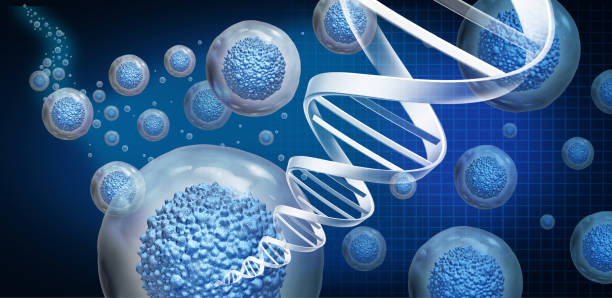
At the core of this revolution are stem cells — the body’s master cells capable of developing into many different types of tissue. Scientists are now harnessing them to restore function after injury, reverse degenerative diseases, and even grow replacement organs in laboratories.
Dr. Shinya Yamanaka, Nobel Laureate and pioneer of induced pluripotent stem cells (iPSCs), said it best: “Regenerative medicine gives us the tools not just to patch the body, but to rebuild it.”

From Stem Cells to Living Cures
The development of iPSCs — adult cells reprogrammed to behave like embryonic stem cells — has transformed the field. This innovation bypasses ethical controversies surrounding embryonic stem cells while offering a limitless supply of patient-specific cells for therapy.
Clinical breakthroughs are already underway. In Japan, researchers successfully transplanted iPSC-derived retinal cells to restore partial vision in patients with macular degeneration. In the United States, companies like ViaCyte and Vertex Pharmaceuticals are using stem cells to develop insulin-producing pancreatic cells for treating Type 1 diabetes.
Cardiologists are also experimenting with stem-cell injections to regenerate damaged heart tissue after heart attacks. Preliminary results suggest that the human body may soon be able to heal itself from conditions once deemed irreversible.
Dr. Doris Taylor, a leading regenerative medicine scientist, explains, “We’re moving from replacement medicine to regeneration — from metal and plastic to living tissue.”

Global Expansion
Regenerative medicine is a global pursuit. The European Union’s Horizon Europe program is investing heavily in advanced therapy medicinal products (ATMPs), while the U.S. FDA has approved several cell-based immunotherapies, such as CAR-T therapies for blood cancers.
In Asia, South Korea and Japan have become pioneers in fast-tracking regenerative treatments through adaptive regulatory frameworks. Meanwhile, African biotech innovators are beginning to explore stem-cell banking and tissue engineering for sickle cell disease and orthopedic injuries.
Dr. Maria Millan, CEO of California’s Stem Cell Agency, emphasizes inclusivity: “To truly change global health, regenerative therapies must be accessible to all nations — not just a few elite centers.”
Challenges and Ethical Dimensions
Despite the promise, challenges persist. Manufacturing living cells at scale is expensive, and maintaining consistency is complex. Ethical debates continue around genetic manipulation, patient consent, and long-term safety.
To address these issues, the International Society for Stem Cell Research (ISSCR) has issued guidelines promoting responsible research and equitable access. Global regulatory agencies are also collaborating to streamline approval pathways while ensuring patient safety.

The Future: Tissues on Demand
Researchers envision a future where damaged organs can be replaced on demand — bioprinted using a patient’s own cells. Advances in 3D bioprinting and tissue scaffolding are already making that future tangible.
As Dr. Yamanaka observed, “The human body holds the blueprint for its own repair. Our task is simply to activate it.”
Regenerative medicine stands at the crossroads of biology and biotechnology — where science meets healing, and where humanity learns to rebuild itself from within.
 English