
The World Health Organization (WHO) and its partners have launched a new global roadmap aimed at addressing gaps in the prevention and treatment of pre-eclampsia and other hypertensive disorders during pregnancy.
The roadmap, covering 2026 to 2035 and beyond, seeks to improve access to essential medicines and diagnostics while driving research into better ways to predict, detect and treat pregnancy-related hypertension.
The development comes as global efforts to improve maternal health and safe childbirth continue, particularly in settings where women face limited access to antenatal care, essential medicines and emergency obstetric services. [Read more about maternal health and safe childbirth.]
Hypertensive disorders affect an estimated 10 to 15 per cent of pregnancies worldwide and account for about 16 per cent of maternal deaths globally, resulting in an estimated 42,000 deaths each year. They are also associated with more than 500,000 stillbirths and newborn deaths annually, according to WHO.
WHO Identifies Gaps in Pre-eclampsia Prevention and Treatment
Despite the scale of the problem, WHO said there remains a significant gap between the burden of pre-eclampsia and the availability of medicines specifically developed and approved for its prevention or treatment.
The organisation also highlighted limited investment in new preventive and treatment options, with much of the research investment focused on diagnostics.
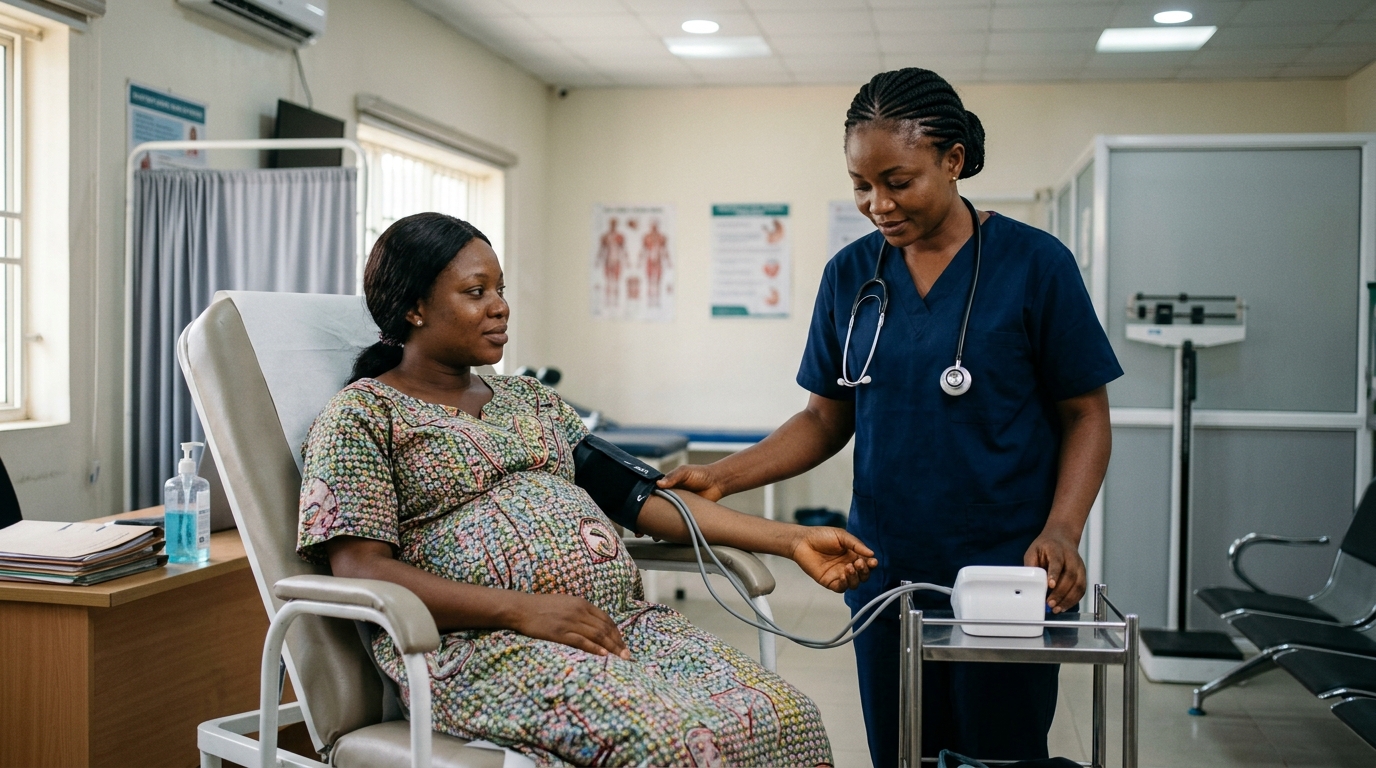
In many countries, women still lack reliable access to basic blood-pressure measurement, urine protein testing and essential medicines such as aspirin, antihypertensive medicines and magnesium sulfate. Shortages of trained health workers, weak referral systems and limited emergency obstetric services can further delay life-saving care.
WHO said the new roadmap brings together research and innovation, clinical guidance, access to medicines and diagnostics, implementation, advocacy and accountability.
The roadmap was developed with partners and stakeholders to establish coordinated priorities for tackling hypertensive disorders of pregnancy. It identifies five broad areas for action: research and innovation, norms and standards, access to health products, implementation, and advocacy and accountability.

As part of efforts to strengthen research, WHO convened more than 140 partners at a global summit in May 2026 to identify 20 priority research questions that could guide future investment in predicting, detecting and treating hypertensive disorders in pregnancy.
The need for stronger action is particularly important in low- and middle-income countries, where gaps in antenatal care, medicines, diagnostics, trained health workers and emergency services can increase the risk of severe complications and death.
WHO also noted that the effects of pre-eclampsia and other hypertensive disorders can extend beyond pregnancy. Women affected by these conditions face higher risks of chronic hypertension, cardiovascular disease, stroke and kidney disease later in life.
The new roadmap calls on governments, researchers, funders, healthcare professionals, industry, civil society and development partners to coordinate investment and action so that proven interventions and future innovations reach the women and babies who need them.
WHO said the ultimate goal is to reduce preventable maternal and newborn deaths, complications and stillbirths associated with hypertensive disorders of pregnancy.

 English