
The World Health Organization (WHO) has expanded its medical device prequalification programme to cover more health technologies, including contraceptive devices and innovative tuberculosis (TB) screening tools.
The expansion is designed to increase access to medical devices that meet international standards for quality, safety and performance, particularly in countries where regulatory systems may have limited capacity.
Under the expanded programme, WHO will assess products through an independent and standardised process. Medical devices that meet the required standards can be included on the WHO list of prequalified medical devices, providing guidance for national authorities, procurement organisations, donors and United Nations agencies.
New TB Screening Technology Included
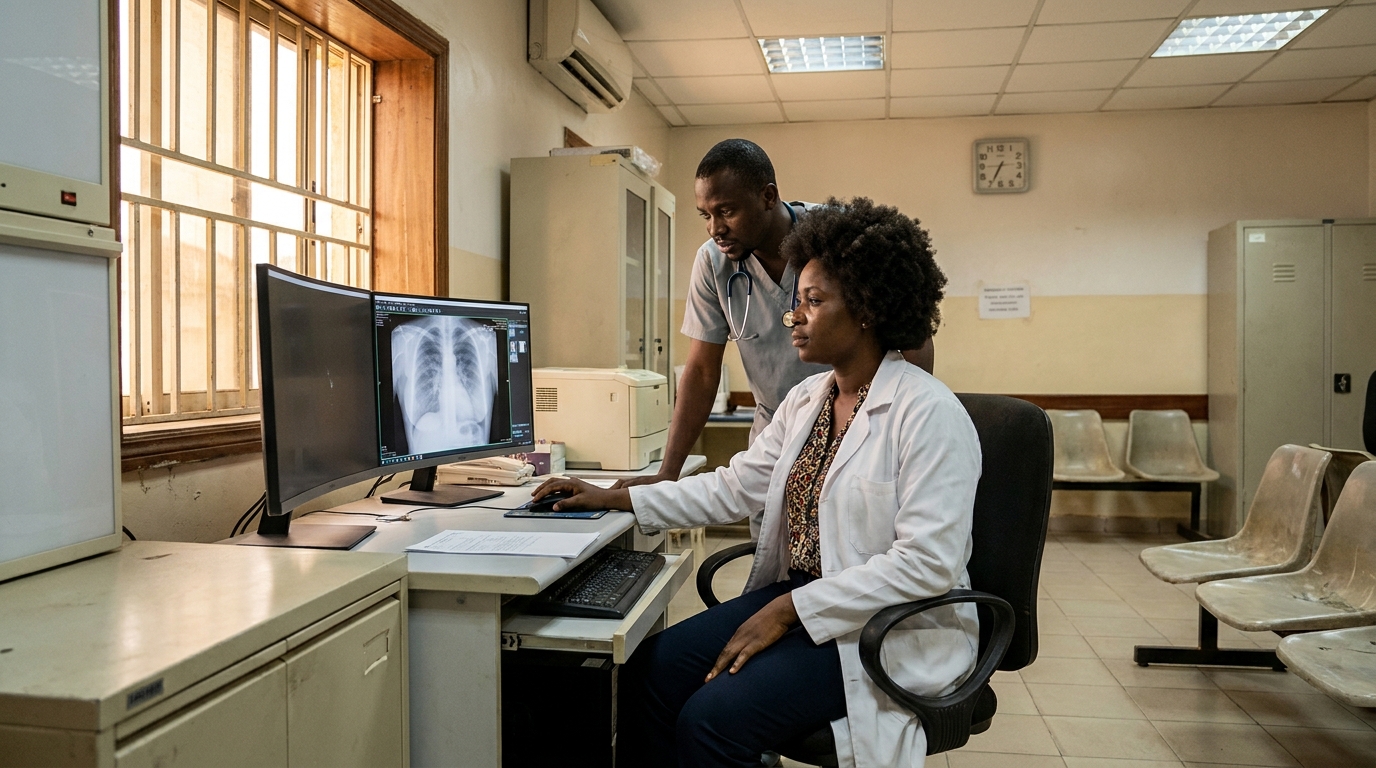
One of the notable additions is computer-aided detection (CAD) software for TB screening. The technology uses digital chest X-rays and artificial intelligence to identify people who may have tuberculosis and require further testing. WHO said this could be particularly useful in countries with a high TB burden, where earlier screening can help people reach diagnosis and treatment more quickly.

The inclusion of TB screening technology also reflects the growing role of digital tools in detecting infectious diseases. The expansion also brings male and female condoms and intrauterine devices (IUDs) under the WHO medical device prequalification programme.
WHO said quality-assured condoms and IUDs are important for sexual and reproductive health. Condoms can help prevent unintended pregnancies as well as HIV and other sexually transmitted infections, while IUDs are used for family planning.
Male circumcision devices have also been incorporated into the broader medical device prequalification framework after previously being assessed through a separate process.
Why the WHO Expansion Matters
WHO said the expansion is particularly significant for countries with weaker regulatory capacity. The organization estimates that about 70% of countries report inadequate or weak regulatory systems for medicines and vaccines, with additional challenges affecting other health products.
By expanding its prequalification programme, WHO aims to provide countries with greater access to medical devices that have undergone a trusted quality assessment.
For patients and health systems, the move could support wider availability of safer, effective, and quality-assured technologies for TB screening, sexual and reproductive health and other essential healthcare needs.


 English