

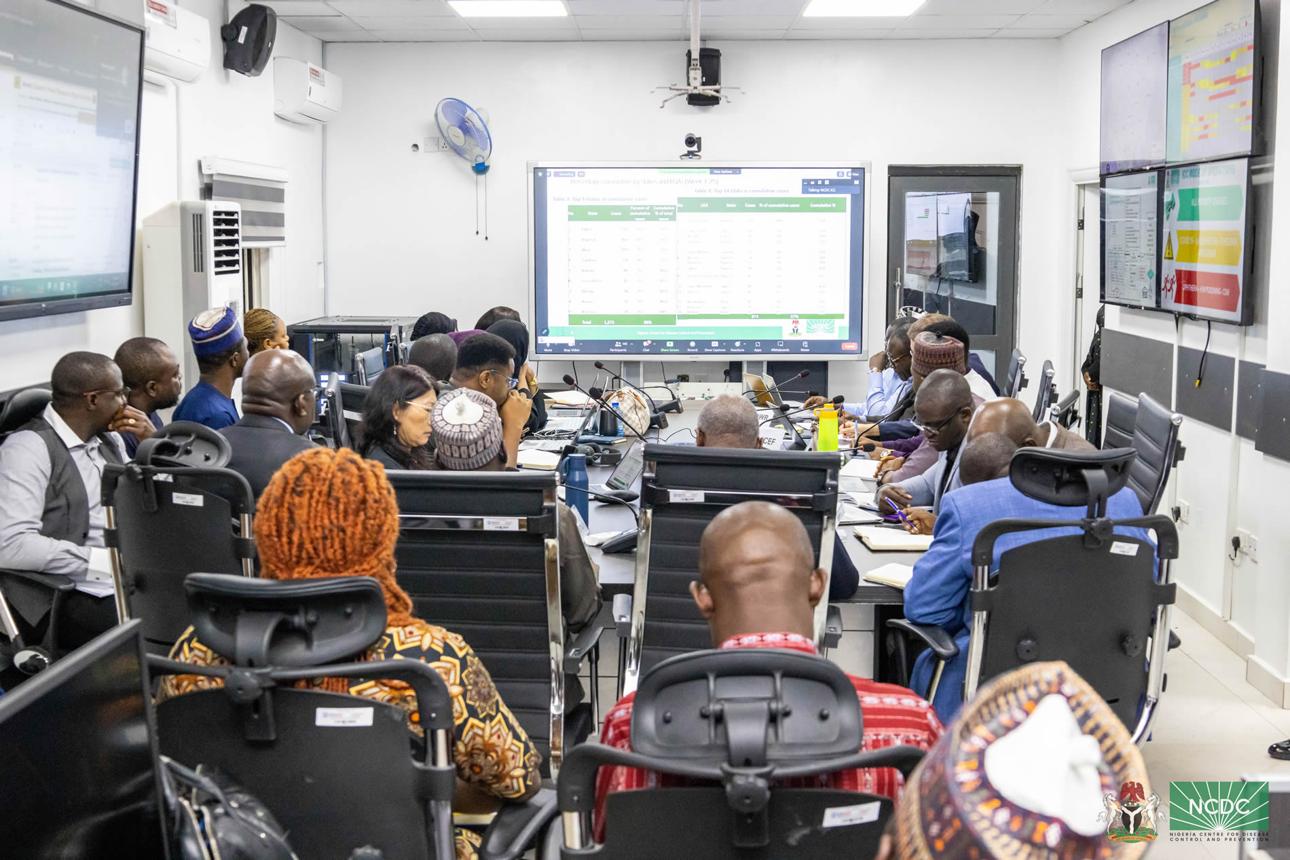
Nigeria is strengthening its pandemic preparedness efforts with new measures aimed at improving the country’s ability to detect, prevent and respond to future disease outbreaks.
The Federal Government reaffirmed its commitment to stronger pandemic preparedness and response during a high-level United Nations meeting on Pandemic Prevention, Preparedness and Response held on September 26, 2026.
Representing President Bola Ahmed Tinubu, the Minister of State for Health and Social Welfare, Dr Iziaq Adekunle Salako, outlined Nigeria’s progress in strengthening its health security systems and preparing for future public health emergencies.

One of the areas highlighted was disease surveillance. Nigeria has expanded digital surveillance systems designed to support earlier detection of infectious disease outbreaks. The country has also strengthened genomic sequencing capacity, which can help health authorities identify and monitor pathogens and understand how they are changing.
Nigeria’s public health laboratory network now covers all 36 states, according to the Federal Ministry of Health and Social Welfare. Public Health Emergency Operations Centres are also supporting coordinated responses to outbreaks, including Lassa fever, cholera, diphtheria and meningitis.
The government also highlighted the use of the 7-1-7 approach, which focuses on detecting a suspected outbreak within seven days, notifying the relevant authorities within one day and initiating an effective response within seven days.
These systems are intended to help health authorities identify health threats earlier and coordinate a faster response before outbreaks become more difficult to contain.
Nigeria’s Joint External Evaluation score, which assesses countries’ capacity to prevent, detect and respond to public health threats, also increased from 39 per cent in 2017 to 54 per cent in 2023.
The government said a US$250 million World Bank Health Security Programme is further supporting health security capacity at federal and state levels through a One Health approach.
The One Health approach recognises the connection between human, animal and environmental health. This is particularly relevant to infectious diseases that can move between animals and humans.
Antimicrobial resistance was also identified as an important health security concern. Nigeria is expected to host the 5th Global High-Level Ministerial Conference on Antimicrobial Resistance in December 2026, the first time the conference will be held in Africa.
The government also stressed the importance of community engagement, risk communication and addressing misinformation during health emergencies.
Nigeria’s renewed focus on pandemic preparedness comes as countries continue to strengthen health systems based on lessons from the COVID-19 pandemic. The measures highlighted by the government are aimed not only at preparing for another pandemic, but also at improving the country’s ability to respond to existing and emerging infectious disease threats.
The Federal Government said sustained investment in surveillance, laboratories, emergency response, healthcare systems and community engagement will remain essential to protecting public health.


 English