

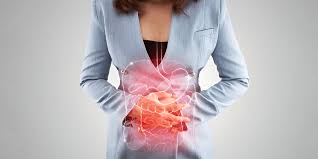
Crohn’s disease is a type of chronic inflammatory bowel disease that causes inflammation in the digestive tract. Symptoms of Crohn’s include stomach cramps, severe diarrhea, fatigue, abdominal pain and malnutrition. It most often affects the small intestine and part of the large intestine, but it can affect any part of the digestive tract.
More than half a million Americans have Crohn’s disease, and it’s becoming more common, according to the National Institute of Diabetes and Digestive Kidney Diseases.
Risk Factors
While researchers don’t know what causes Crohn’s, certain factors increase a person’s risk for developing the disease.
Risk factors include:
Age
People of any age can get Crohn’s disease, but younger people between the ages of 15 and 35 are at the highest risk.
Ethnicity
Crohn’s disease is most common in Caucasians, especially people of Ashkenazi Jewish descent. However, the incidence of Crohn’s disease is increasing among Asians and Hispanics as well as African Americans.
Family Members with Crohn’s
People who have a parent, sibling or child with Crohn’s are at greater risk of developing the disease. As many as 1 in 5 people (20 percent) with the disease have a family member with the disease.
Smoking Cigarettes
People who smoke are at greater risk for Crohn’s, and smoking can make existing disease more severe. While many risks for Crohn’s are out of a person’s control, smoking is a modifiable risk. This means people may lower their risk if they stop smoking.
Nonsteroidal Anti-Inflammatory Drugs (NSAIDs)
Using NSAIDs doesn’t cause Crohn’s disease, but it can make symptoms worse.
Environmental Factors
Crohn’s is more prevalent in developed countries and urban towns and cities than in undeveloped countries and rural areas. The disease is also more prevalent in northern climates.
Complications
People who have Crohn’s are at risk for several complications from bowel obstructions to colon cancer.

Complications of Crohn’s include:
· Abscesses, painful pockets of infection filled with pus
· Acid reflux can occur in people whose disease affects the esophagus
· Anal fissures, painful tears in the anus that cause bleeding and itching
· Bowel obstructions, caused by thickening of intestinal walls, can block stool or food from moving through the digestive tract
· Colon cancer is more likely to develop in people with untreated Crohn’s in their large intestine
· Eye inflammation
· Fistulas
· Gallstones and gallbladder disease are more likely to occur in people with Crohn’s
· Higher risk of premature labor or low birth weight if mothers have flare-ups of disease during pregnancy
· Joint inflammation
· Malnutrition, including anemia from low iron and B-12
· Ulcers may occur in the intestines, mouth or anus
· Kidney stones
Diagnosis and Treatment
Doctors diagnose Crohn’s with blood tests, fecal tests and imaging procedures that look inside the colon, such as a colonoscopy, CT scans and MRIs.
Crohn’s disease has no cure, so treatment focuses on preventing complications, healing the intestinal lining and preventing surgery. Each person’s treatment plan is different depending on the severity of the disease.
Medications
Medications for Crohn’s suppress the immune system to treat symptoms or complications such as diarrhea and infections.
ANTIBIOTICS
Antibiotics treat infections which can lead to can lead to abscesses. These include ciprofloxacin, tetracycline, ampicillin and metronidazole.
ANTIDIARRHEAL MEDICATION
People with Crohn’s may have severe diarrhea. Antidiarrheal drugs — such as Imodium A-D (loperamide), Lomocot, Lomotil (diphenoxylate), Prevalite and Questran (cholostyramine) and Pepto-Bismol (bismuth subsalicylate) — can help manage this symptom.
IMMUNE SYSTEM SUPPRESSORS
These medications suppress the immune system to calm inflammation. Examples include Remicade (infliximab), Humira (adalimumab), Cimzia (certolizumab pegol), Trexall (methotrexate), Stelara, (ustekinumab) and Entyvio (vedolizumab).
CORTICOSTEROIDS
Prednisone, cortisone and other corticosteroids reduce inflammation. These should not be used long term and are usually a bridge to stronger medications.

Nutrition and Diet
Diet doesn’t cause Crohn’s but certain foods may make symptoms worse. It’s also important to eat a healthy diet to replace lost nutrients and promote healing.
For people with Crohn’s, eating can be uncomfortable because of pain in the abdomen. Loss of appetite may also make it difficult to eat. Additionally, diarrhea can make it more difficult for the body to absorb nutrients.
There is no specific meal plan for Crohn’s patients, but the Crohn’s & Colitis Foundation recommends eating smaller meals, drinking slowly, preparing meals in advance and using simple techniques such as steaming, poaching, grilling or steaming.
Foods to avoid during a flare up include:
· Foods with a lot of fiber that are hard to digest, such as raw green vegetables, whole nuts, whole grains and fruits with seeds and skin
· Lactose-containing dairy
· Sugary foods
· Alcohol and caffeine
· Spicy foods
· High fat foods such as butter, margarine, fried food and cream
Procedures
If medications aren’t enough, doctors may recommend other procedures to control Crohn’s and treat complications.
BOWEL REST
Bowel rest involves not eating or drinking for several days or longer. This gives the intestines a chance to heal. Patients will get their nutrition intravenously or through a feeding tube.
SURGERY
Surgery isn’t a cure for Crohn’s but it may be necessary to treat complications such as bleeding, fistulas, blockages or intestinal perforations (holes).
*Culled from DRUGWATCH



 English