

By Evans Matthews
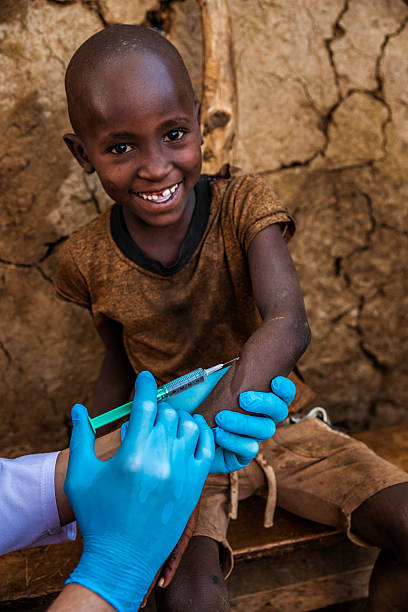
Immunization remains one of the most effective public health interventions in modern medicine, preventing millions of deaths annually. Yet, for many communities in low-resource settings, access to life-saving vaccines is still uneven and in some cases, dangerously limited. Bridging this gap is not just a medical priority, it is a global equity imperative.
Across parts of sub-Saharan Africa, South Asia, and remote regions of Latin America, barriers to immunization are complex and deeply rooted. Weak health infrastructure, inadequate cold-chain systems, workforce shortages, and geographic isolation all contribute to missed opportunities for vaccination. In fragile and conflict-affected regions, these challenges are even more pronounced.
“Vaccines don’t fail people, systems do,” says Dr. Lina Okafor, a global health specialist. “When children remain unvaccinated, it’s often because services couldn’t reach them, not because the solutions don’t exist.”
A major challenge lies in maintaining the cold chain – the temperature-controlled supply system required to keep vaccines effective. In areas with unreliable electricity, innovative solutions such as solar-powered refrigerators are increasingly being deployed. These technologies are helping extend vaccine reach into rural and off-grid communities ensuring potency is preserved from production to administration.
Equally critical is the role of community health workers. Often drawn from the communities they serve, these workers bridge cultural and informational gaps, building trust where skepticism or misinformation may exist. Their presence has proven invaluable in increasing vaccine uptake.
“Trust is everything,” explains Amina Diallo, a community health coordinator in West Africa. “People are more likely to accept vaccines when the message comes from someone they know and respect.”
Global partnerships are also central to expanding immunization access. International alliances, governments, and non-governmental organizations are pooling resources to fund vaccine procurement, strengthen delivery systems, and support local capacity building. Initiatives that subsidize vaccine costs have significantly reduced financial barriers for low-income countries.

However, affordability is only one piece of the puzzle. Logistics, political commitment, and data systems play equally important roles. Without accurate data, identifying underserved populations becomes difficult, leading to gaps in coverage. Digital health tools are now being leveraged to track immunization records, forecast supply needs, and improve accountability.
The COVID-19 pandemic underscored both the fragility and resilience of global immunization systems. While routine vaccination programs were disrupted in many regions, the rapid development and distribution of COVID-19 vaccines demonstrated what is possible when political will, funding, and scientific innovation align. The challenge now is to apply these lessons to routine immunization efforts.
“Equity must move from aspiration to action,” notes Dr. Samuel Reyes, a public health policy expert. “No child should miss a vaccine simply because of where they are born.”
Looking ahead, a multi-faceted approach is essential. Investments in infrastructure, workforce training, and community engagement must continue alongside technological innovation. Strengthening local manufacturing capacity in low-and-middle-income countries could also reduce dependency on imports and improve supply stability.
Ultimately, expanding access to immunization is not just about delivering vaccines, it is about delivering opportunity. Healthier children mean stronger communities, more stable economies, and a more resilient world. In the pursuit of universal health coverage, ensuring equitable immunization access stands as both a foundational step and a moral obligation.


 English