

The World Health Organization (WHO) has prequalified the first malaria treatment specifically designed for newborns and young infants, marking a critical advance in paediatric malaria care. The new formulation of artemether lumefantrine is intended for babies weighing between 2-5 kilograms, a group that has long faced limited access to appropriately dosed medicines.
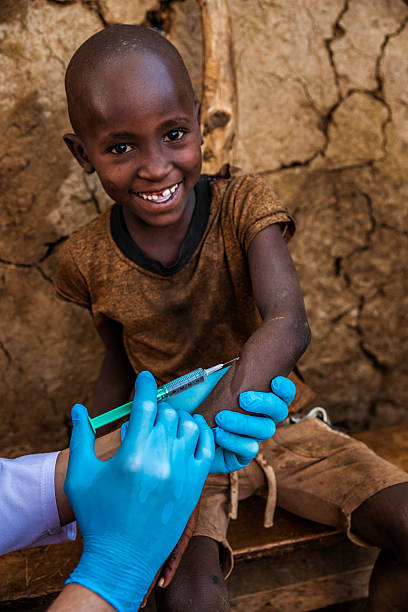
Malaria remains one of the leading causes of illness and death among young children, particularly in sub-Saharan Africa. While effective treatments have been widely available for older children and adults, newborns and very small infants have typically been treated using adjusted doses of medicines designed for heavier patients. In practice, this has meant breaking tablets or estimating doses, approaches that can increase the risk of giving too much or too little of the drug.
The newly prequalified formulation announced on April 24, 2026 addresses this challenge by offering a treatment that is measured and produced specifically for this vulnerable group. In simple terms, it removes the guesswork. Healthcare providers can now give a dose that is accurate for a baby’s weight and stage of development, improving both safety and effectiveness. This is particularly important because newborns process medicines differently from older children, and even small dosing errors can have serious consequences.
WHO prequalification is a key benchmark in global health. It confirms that a medicine meets international standards for quality, safety, and effectiveness, and it allows major health agencies to procure and distribute the product with confidence.
For malaria-endemic countries, this development has clear practical value. Access to a treatment designed specifically for newborns means national malaria programmes can strengthen their case management guidelines and reduce the risks associated with improvised dosing. It also supports frontline health workers, who often operate in resource-limited settings, by giving them a reliable and easy-to-use option for treating one of their most at-risk patient groups.
Early infancy is a high-risk period for malaria. Symptoms can be less obvious than in older children, and the disease can worsen quickly if not treated properly. Having a formulation that is both safe and easy to administer increases the chances of timely and effective treatment. This, in turn, can help reduce complications such as severe anaemia and improve survival outcomes.
The timing of this milestone is also significant as global efforts to reduce malaria deaths have made progress over the years, but the disease continues to place a heavy burden on health systems, particularly in Africa. Children under five remain the most affected group, and closing treatment gaps in the earliest months of life is essential to further reducing mortality.

 English