
By Morgan Nwanguma
Miracle Mineral Solution (MMS) has long been advertised as a miracle cure, but new research shows it is essentially a toxic disinfectant. Although it can kill bacteria, it only does so at concentrations that also harm human cells and beneficial gut microbes. Scientists warn that homemade MMS mixtures are particularly risky because the doses can vary widely. According to the study, MMS represents a clear case where the potential dangers are high while the medical benefits are essentially nonexistent.
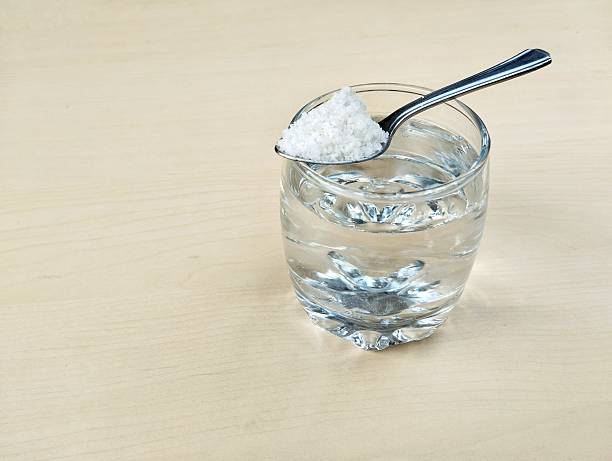
MMS, widely known as Miracle Mineral Solution, has been promoted for years as a supposed treatment for serious conditions such as cancer, autism, and COVID-19. In reality, MMS is simply a commercial name for sodium chlorite (NaClO₂), a powerful disinfectant commonly used in processes like water treatment. When sodium chlorite is mixed with an acid, it produces chlorine dioxide (ClO₂), a chemical that can be harmful if swallowed.
To better understand its effects under controlled laboratory conditions, researchers from Wroclaw Medical University conducted a detailed investigation. Their results were published in the journal Scientific Reports. The team tested acidified sodium chlorite (ASC), which produces chlorine dioxide, in two formulations. One version, ASC1, was acidified with hydrochloric acid, while ASC2 used gluconic acid. Both were evaluated against several types of bacteria, including harmful strains such as Staphylococcus aureus and E. coli, as well as beneficial probiotic bacteria like Lactobacillus rhamnosus.
Antibacterial Effects Come at a Cost
The researchers confirmed that chlorine dioxide can indeed destroy bacteria. However, they also found that it becomes effective only at concentrations that are toxic to human cells. At about 30 ppm (0.003%), the chemical eliminated bacteria, but tests also revealed significant damage to skin cells and high mortality rates in an in vivo model. The team also examined bacterial biofilms – protective layers that make infections more difficult to treat. While ASC was able to break down these biofilms, it did so while causing harm to surrounding tissue.

“The results of the study indicate that effective concentrations of ASC against biofilms are also toxic to eukaryotic cells, but it cannot be ruled out that a formulation for external use will be developed that ensures the safety of use with high anti-biofilm efficacy,” explained Ruth Dudek-Wicher of the Department of Pharmaceutical Microbiology and Parasitology at the Faculty of Pharmacy, Wroclaw Medical University.
Risks to Beneficial Bacteria and the Gut
Dr. Dudek-Wicher also pointed out a key difference between professionally manufactured, purified chlorine dioxide (ClO₂) solutions, sometimes used in controlled settings such as dentistry and the mixtures prepared at home by supporters of MMS.
The study further investigated how acidified sodium chlorite (ASC) affects beneficial probiotic bacteria. Researchers found that the biofilm formed by Lactobacillus bacteria was highly sensitive to the substance, raising concerns that it could disrupt the intestinal microbiome and harm the body’s beneficial gut flora.
“At the moment, we are not planning such studies, but we do not rule them out in the future. If a safe oral form of ASC is developed, an analysis of its impact on the microbiome will be necessary,” says Dr. Ruth Dudek-Wicher.
Misinformation and Dangerous Beliefs
The researchers emphasized that their investigation extended beyond laboratory analysis. They also sought to confront the widespread misinformation and misleading claims that have fueled public belief in MMS as a medical remedy.
“The most harmful mistake is to believe in the effectiveness of MMS without hard scientific evidence,” emphasizes Dr. Dudek-Wicher. “In pharmacy and medicine, the benefit-risk ratio is considered. In the case of MMS, the benefit is zero, and the risk is high, especially since the dosage is often administered using non-standardized droppers, which can achieve 1 ml by applying 15 or 30 drops. Such fluctuations in the oral dosage of a corrosive substance are extremely irresponsible,” she adds.
MMS is sometimes promoted for use even among children and pregnant women. Dr. Dudek-Wicher voiced particular concern about claims suggesting that MMS could also be used as a method for weight loss.
“I was particularly shocked by the recommendations for combating obesity, which did not mention the effect of MMS on adipose tissue but only affirmed self-acceptance combined with stigmatization of obesity,” she says. She argues that the risk lies not only in the substance itself but also in the way it is promoted, often relying on emotional persuasion rather than scientific evidence.

Combating Health Myths with Science and Empathy
Can misinformation surrounding MMS be effectively countered? According to Dr. Dudek-Wicher, the answer is yes, but it requires collaboration across multiple fields and a more empathetic approach to public communication.
“Yes, but it requires an integrated, interdisciplinary approach and empathy. Currently, the fight against myths is too often marked by a lack of respect and compassion. People turn to MMS because they are concerned about their health – and education must take this into account, with communication based on respect.”
She also emphasized the need to support research that critically examines misleading health claims. According to her, the scientific community has a duty to safeguard the public from misinformation. For this reason, she welcomed both the recognition of her university grant on MMS and the publication of the findings in Scientific Reports.
Public Attention and Future Research
The study carried out at the Faculty of Pharmacy of Wroclaw Medical University has drawn media attention, including coverage through an article and video featured on the homepage of the Polish Press Agency. Researchers say the level of interest highlights a growing public demand for clear, reliable, and evidence-based health information.
“At the Faculty of Pharmacy, we are not afraid of difficult topics. The safety of patients who have lost their way in search of treatment is of utmost importance to us. And the interest in the results encourages us to continue our work. We are planning a series of analyses and publications on other miracle preparations – DMSO, adaptogens, ‘detoxification’ protocols – all in the spirit of scientific myth-busting,” conclude the authors, Dr. Dudek-Wicher and Prof Adam Junka from the Department of Pharmaceutical Microbiology and Parasitology at Wroclaw Medical University.


 English