

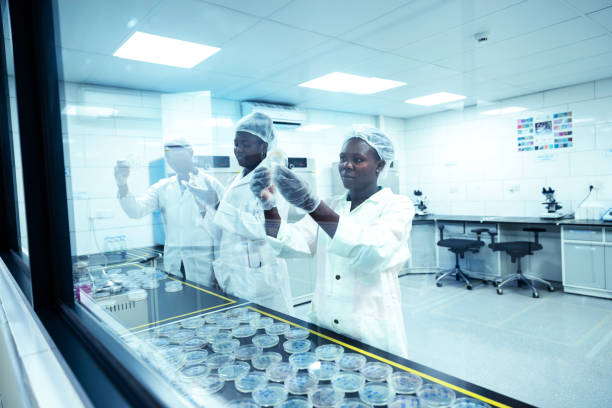
The Association of Industrial Pharmacists of Nigeria (NAIP) is hosting its 2026 Economic Outlook and CEOs Forum, themed “Reimagining Nigeria’s Health Security: Local Production, Economic Sovereignty & Strategic Partnership,” to address these challenges and unlock the industry’s potential. The event, according to the organizers aims to foster meaningful conversations, strengthen strategic partnerships, and contribute to national economic health.
Indeed, Nigeria’s pharmaceutical market, currently valued at over $1 billion, faces stiff competition from imported products and regulatory hurdles. The industry’s high dependence on imported APIs and finished products exposes the country to foreign exchange fluctuations and supply chain disruptions. Economic instability and regulatory obstacles create uncertainty for investors, increase operational costs, and hinder the growth of local pharmaceutical manufacturing. Foreign exchange volatility and limited access to funding also pose significant challenges, while inadequate infrastructure, including power and logistics challenges, increases production costs and affects the quality and availability of medicines.
Stakeholders expect the NAIP 2026 CEOs Forum to provide a platform for addressing these challenges and exploring opportunities for growth. The event is expected to attract top pharmaceutical CEOs, senior government officials, regulators, policymakers, academics, investors, and cultural leaders, all united by a shared goal of building a self-reliant, resilient, and globally competitive pharmaceutical industry.

The Nigerian government has set ambitious targets, aiming to increase local pharmaceutical production to 70% by 2030, while limiting importation to 10%. This shift is expected to secure a more resilient and self-sufficient pharmaceutical sector. The industry also presents opportunities for export growth under the African Continental Free Trade Agreement (AfCFTA), adoption of digital technologies, and innovative business models. Stakeholders expect the NAIP gathering to provide a roadmap for harnessing these opportunities and driving growth in the sector.
Similar events around the world have shown that such gatherings can be a catalyst for change. For instance, the Pharmaceutical Manufacturing Association of India (PMAI) has been instrumental in promoting local pharmaceutical production and export growth in India. The PMAI’s efforts have led to India’s pharmaceutical industry growing to become one of the largest in the world, with exports exceeding $20 billion annually.
In South Africa, the South African Pharmaceutical Manufacturers Association (SAPMA) has been working closely with the government to promote local pharmaceutical production and reduce dependence on imports. SAPMA’s efforts have led to the establishment of several local pharmaceutical manufacturing facilities, creating jobs and stimulating economic growth.
In Brazil, the Brazilian Association of Pharmaceutical Manufacturers (ABIFARMA) has been working with the government to promote local pharmaceutical production and increase access to medicines. ABIFARMA’s efforts have led to the establishment of several local pharmaceutical manufacturing facilities, improving access to medicines and reducing dependence on imports.

These examples demonstrate that events like the NAIP 2026 CEOs Forum can play a crucial role in promoting local pharmaceutical production, reducing dependence on imports, and driving economic growth. Stakeholders expect the NAIP gathering to provide a similar impetus for Nigeria’s pharmaceutical industry.
Pharm. (Sir) Bankole Aminu Ezebuilo, National Chairman of NAIP, emphasizes the importance of the forum in shaping Nigeria’s health security architecture, strengthening local pharmaceutical production, and advancing economic sovereignty. As stakeholders converge to discuss strategies for strengthening local pharmaceutical production, leveraging public-private partnerships, and positioning Nigeria as a competitive player in the African health value chain, the expectations are high for a renewed commitment to building a self-reliant, resilient, and globally competitive pharmaceutical industry.
The NAIP 2026 CEOs Forum is a crucial step towards achieving this vision, and stakeholders are eager to see the outcomes of this gathering. Will it provide the necessary impetus for Nigeria’s pharmaceutical industry to overcome its challenges and achieve sustainable growth? Only time will tell, but one thing is certain – the industry’s future hangs in the balance, and the NAIP 2026 CEOs Forum is a key part of the solution.
The forum’s success will depend on the active participation of stakeholders, including government agencies, pharmaceutical companies, and regulatory bodies. The event must provide a platform for meaningful dialogue, collaboration, and commitment to driving change in the industry. With the right approach, the NAIP 2026 CEOs Forum can be a turning point for Nigeria’s pharmaceutical industry, unlocking its potential and contributing to the country’s economic growth and development.



 English