

By Deborah Bamisaye
If you are a woman reading this, I want to believe you will be willing to join in a loud campaign. What campaign you say? Don’t worry, it will be a peaceful one. We are females after all and mean no violence, but the aim of it all is to tell all other women (who do not have access to this write-up) to stop using the word – ‘Candid.’ Stop! Stop!! Stop!!!
Why? You don’t have to ask me that right now – concentrate please. I mean, how can Candida growth bring about vaginal candidiasis? Candidly speaking – it’s a fungal infection that affects most women and we must be candid with ourselves as we talk about it.
What am I even saying? Forget about the campaign please! Ironically, the person calling for a pause on the use of “Candid” has already broken the rule herself. But let’s not focus on that for now. Move closer, let’s talk about Vaginal Candidiasis today. Shall we?
Virginal Yeast
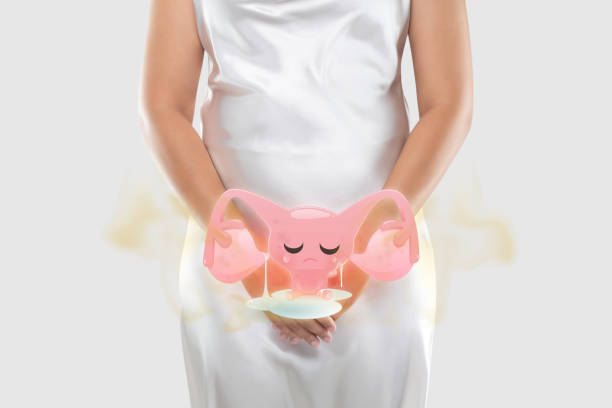
Call it Vaginal Yeast or Vaginal Candidiasis – they all mean the same thing. It is a common fungal infection that affects many women at some point in their lives. It happens when yeast – most often Candida – grows out of balance in the vagina. My dear, ‘no be small matter o!’ Read on please:
What Causes It?
Yes o! We deserve to know! We should be calming down you say – ok o! The vagina naturally contains a mix of bacteria and yeast. A yeast infection occurs when this balance is disturbed.
Common Triggers include:
1. Antibiotics (they reduce protective bacteria)
2. Hormonal changes (pregnancy, menstrual cycle, birth control)
3. High blood sugar (especially in diabetes)
4. Weakened immune system
5. Tight or non-breathable clothing
6. Excess moisture or poor ventilation
Common Symptoms:
* Itching or irritation around the vagina
* Thick, white discharge (often described as cottage-cheese–like)
* Burning sensation, especially during urination
* Redness or swelling of the vulva
* Discomfort or pain
Yeast infections usually do not cause a strong smell.

Is it Sexually Transmitted?
No now! A yeast infection is not classified as a sexually transmitted infection (STI), though sexual activity can sometimes trigger symptoms in susceptible people.
Treatment (general overview)
1. Antifungal creams, suppositories, or tablets.
2. Mild cases often clear up within a few days.
3. More severe or recurring infections may need longer treatment.
4. A healthcare professional should be consulted if symptoms are severe, recurrent, or unclear.
Prevention Tips:
* Wear loose, breathable (cotton) underwear.
* Avoid unnecessary antibiotics
* Keep the vaginal area clean and dry (no harsh soaps)
* Avoid douching
* Manage blood sugar if diabetic
When to See a Doctor:
* If it’s your first time having these symptoms.
* If infections keep coming back.
* If symptoms don’t improve after treatment.
* If there is pain, fever, or unusual discharge.
You see – Vaginal yeast infections are common, treatable, and usually not serious, but proper care and medical advice are important – especially for repeated cases.
Safe Practice
Here are safe, medically recommended hygiene practices for vaginal health:



 English