

By Evans Matthews
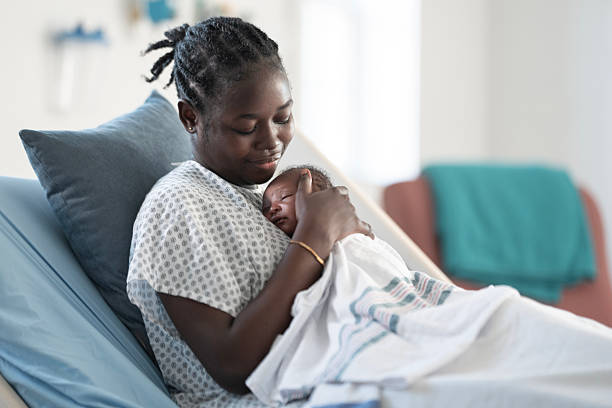
Maternal health remains one of the most powerful indicators of a nation’s well-being. Yet every day, an estimated 800 women worldwide die from preventable pregnancy and childbirth-related complications, according to the World Health Organization (WHO). These deaths, most of which occur in low-and-middle-income countries reveal deep inequalities in access to healthcare, education and safe delivery services.
“Childbirth should be a moment of joy, not fear,” says Dr. Maria Alvarez, a maternal health specialist with the United Nations Population Fund (UNFPA). “With modern medical knowledge and proper support systems, no woman should lose her life while giving birth.”
The Global Gaps in Maternal Health
Despite remarkable progress over the last two decades, maternal mortality rates remains unacceptably high in several parts of the world. Sub-Saharan Africa accounts for 70% of all maternal deaths, with countries like Nigeria and South Sudan recording some of the highest mortality ratios globally.
In contrast, nations like Norway, Japan, and New Zealand boast some of the lowest maternal mortality rates due to strong health systems, universal health coverage, and quick access to skilled birth attendants.
However, even high-income countries are not immune. The United States, for instance, has seen rising maternal mortality rates, particularly among Black women who are three times more likely to die from pregnancy-related causes than white women.
“Maternal health is not just a developing world problem,” notes Dr. Linda Matthews, a public health researcher at Harvard University. “It’s a reflection of social justice, equity, and the strength of health systems everywhere.”

Why Preventable Deaths Still Happen
Most maternal deaths stem from causes that are entirely preventable or treatable, including:
· Severe bleeding (mostly after childbirth)
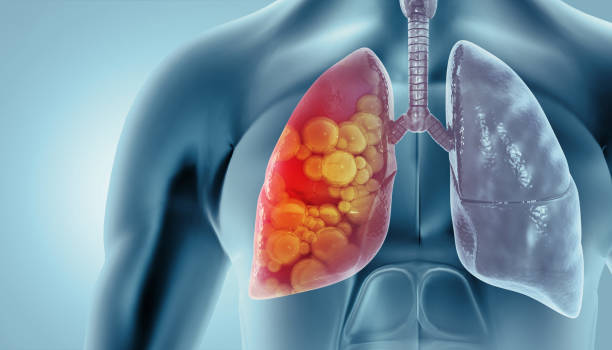
· Infections
· High blood pressure during pregnancy (preeclampsia and eclampsia)
· Obstructed labor
· Unsafe abortions
Poor access to quality prenatal care, delays in reaching health facilities and a shortage of trained midwives or obstetricians contribute significantly to these outcomes.
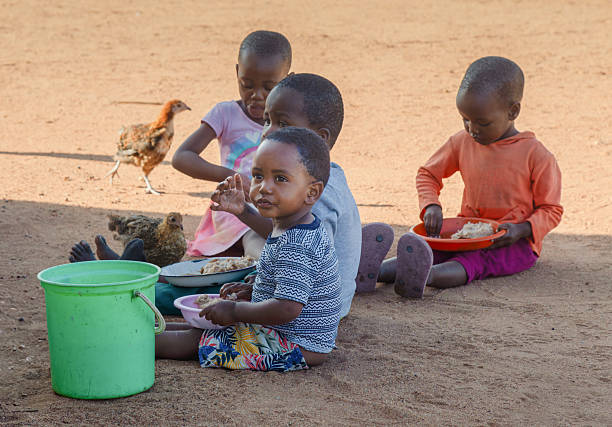
In many rural communities across Africa and South Asia, women still rely on unskilled birth attendants because facilities are too far, too costly, or culturally inaccessible.
“Distance should never determine a woman’s fate,” says Asha Kumari, a midwife in Rajasthan, India. “But for many women, a lack of transportation or the cost of services forces them to deliver at home.”
The Path to Safe Childbirth
Safe childbirth begins long before labor. It requires comprehensive prenatal care, skilled attendants during delivery, emergency obstetric services, and postpartum follow-up.
Countries like Rwanda and Sri Lanka have made enormous progress by investing in midwife-led care, expanding health insurance, and improving rural healthcare infrastructure. Their success demonstrates that political commitment and community engagement can dramatically lower maternal deaths.
Technology is also playing a transformative role. Mobile health apps in Kenya, telemedicine platforms in Brazil, and drone delivery of medical supplies in Ghana are helping bridge gaps in care where resources are limited.

A Call for Global Commitment
Improving maternal health is not only a medical goal, it is a moral imperative. Ensuring that women give birth safely strengthens families, communities, and national development.
As Dr. Alvarez emphasizes, “When a mother survives childbirth, a child has a better chance of surviving. When a mother thrives, an entire nation thrives.”
The future of maternal health depends on sustained investment, gender equality, and the belief that every woman regardless of geography deserves a safe and dignified childbirth experience.

 English