

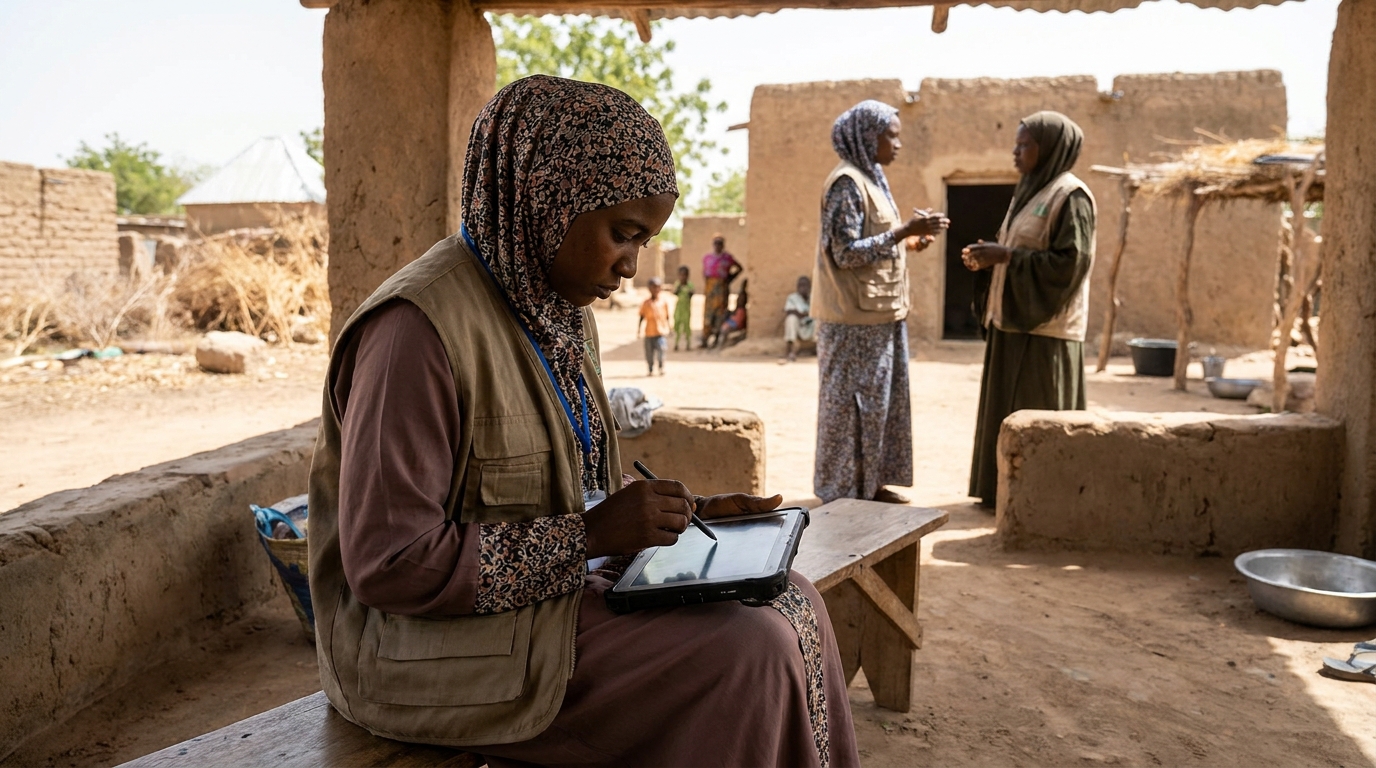
Health campaign teams in Kano State are now able to transmit field reports within hours rather than waiting weeks for paper-based records, following the introduction of digital tools to improve campaign monitoring.
According to a new report by the Clinton Health Access Initiative (CHAI), 92 per cent of records collected during a 2024 pilot campaign in Tofa Local Government Area reached the central reporting system within four hours.
This represents a significant improvement over the estimated 60 days or more previously required for paper reports to reach the central system.
The pilot was conducted during a lymphatic filariasis campaign, where digital reporting allowed supervisors to monitor coverage as activities were taking place and respond to gaps more quickly.
In Langel Ward, for instance, supervisors identified low campaign coverage within the first two days and recruited seven additional community drug distributors to help reach more residents.
Digital reporting expands across campaigns
The initiative formed part of a wider effort to integrate digital technology into health campaigns across four African countries: Nigeria, Benin, the Democratic Republic of the Congo and Kenya.
CHAI worked with the health ministries, the World Health Organization Regional Office for Africa and other partners to support the development of government-owned digital systems between 2021 and 2025.
In Kano, the approach expanded beyond the initial pilot by 2025, reaching multiple campaigns and local government areas. The number of people reached through digitised campaigns increased from approximately 140,000 to more than 2.5 million.
The report also highlighted the importance of using campaign data to guide decisions, rather than simply collecting information. Digital dashboards can help supervisors identify areas with low coverage and deploy additional resources while campaigns are still ongoing.
However, CHAI noted that technology alone does not guarantee better health outcomes. Effective data use, government ownership, trained personnel and sustainable funding remain important for maintaining these systems.
The findings highlight how timely health data can strengthen campaign planning, monitoring and response, particularly in large communities where delays in identifying coverage gaps could leave residents unreached.
Source: Clinton Health Access Initiative (CHAI)



 English