

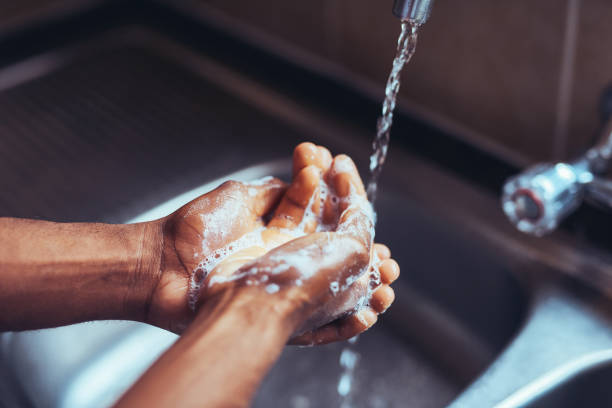
Washing your hands may seem like one of the simplest things you do every day, but how well you do it matters. Rinsing your palms quickly under running water may remove visible dirt, but it does not provide the same cleaning benefit as washing thoroughly with soap and water.
Germs can spread when you touch contaminated surfaces, prepare food, eat with unwashed hands or touch your eyes, nose and mouth. Proper handwashing helps remove germs and reduce the spread of infections, including respiratory and diarrhoeal illnesses.
According to the US Centers for Disease Control and Prevention (CDC), handwashing with soap and clean, running water is one of the most effective ways to prevent illness and the spread of germs.
How to Wash Your Hands Correctly
The process is straightforward, but each step matters.
- Wet your hands: Place your hands under clean, running water. Warm or cold water can be used.
- Apply soap: Use enough soap to cover all surfaces of your hands.
- Rub your palms together: Work the soap into a lather.
- Clean the backs of your hands: Rub the back of each hand with the opposite palm, making sure to clean around the fingers.
- Wash between your fingers: Interlace your fingers and rub them together to reach the spaces between them.
- Clean your thumbs and fingertips: Rub around each thumb and pay attention to your fingertips and underneath your fingernails, where dirt and germs can collect.
- Scrub for at least 20 seconds: Spend enough time covering every part of your hands rather than rushing through the process.
- Rinse thoroughly: Wash away the soap under clean, running water.
- Dry your hands completely: Use a clean towel or an air dryer.

The World Health Organization (WHO) provides a more detailed handwashing technique, with the complete procedure taking approximately 40–60 seconds. This includes wetting, soaping, rubbing, rinsing and drying your hands.
When Should You Wash Your Hands?
Handwashing is particularly important at specific points during the day. Make it a habit to wash your hands:
- Before preparing food, while handling food when necessary, and before eating.
- After using the toilet.
- After changing a baby’s nappy or cleaning a child after using the toilet.
- After coughing, sneezing or blowing your nose.
- Before and after caring for someone who is sick.
- Before and after treating a cut or wound.
- After handling rubbish or touching animals and their waste.
- Whenever your hands are visibly dirty.
These habits are especially important in households where several people share toilets, kitchens and frequently touched surfaces.
Is Hand Sanitizer as Effective as Soap and Water?
Hand sanitizer can be useful when soap and clean water are unavailable. The CDC recommends an alcohol-based sanitizer containing at least 60 per cent alcohol.
Apply enough product to cover all hand surfaces and rub your hands together until they are dry, following the product instructions.
However, sanitiser is not a complete replacement for handwashing. Soap and water are preferable when hands are visibly dirty or greasy and in situations where certain germs, including those that cause diarrhoea, may be present.
If your hands are visibly dirty after using the toilet or handling food, wash them with soap and clean water rather than relying on sanitiser.
Common Handwashing Mistakes to Avoid
Even people who wash their hands regularly can miss important areas.
Washing too quickly: A brief rinse does not provide enough time to scrub all hand surfaces properly.
Ignoring the thumbs and fingertips: These areas are easily overlooked, along with the spaces between the fingers and underneath the nails.
Using water without soap: Water alone may rinse away some dirt and germs, but soap helps remove them more effectively.
Sharing dirty towels: A contaminated or damp towel can undermine good hygiene. Use a clean towel or an appropriate air dryer.
Assuming hot water is necessary: Warm water is not required to remove germs effectively. Water at a comfortable temperature is suitable.
Does Proper Handwashing Really Make a Difference?
Yes. Regular handwashing helps reduce the spread of infections and protects both the person washing their hands and those around them.
It is particularly important in homes, schools, workplaces, food preparation areas and healthcare facilities. Teaching children to wash their hands properly can also help establish healthy habits early in life.
However, handwashing does not prevent every infection. It works best alongside other appropriate hygiene measures, safe food handling, and recommended vaccinations.
Proper handwashing takes only a little time, but doing it well can make a meaningful difference to everyday health. Use soap and clean, running water, scrub every surface of your hands for at least 20 seconds, rinse thoroughly and dry them properly.
,


 English